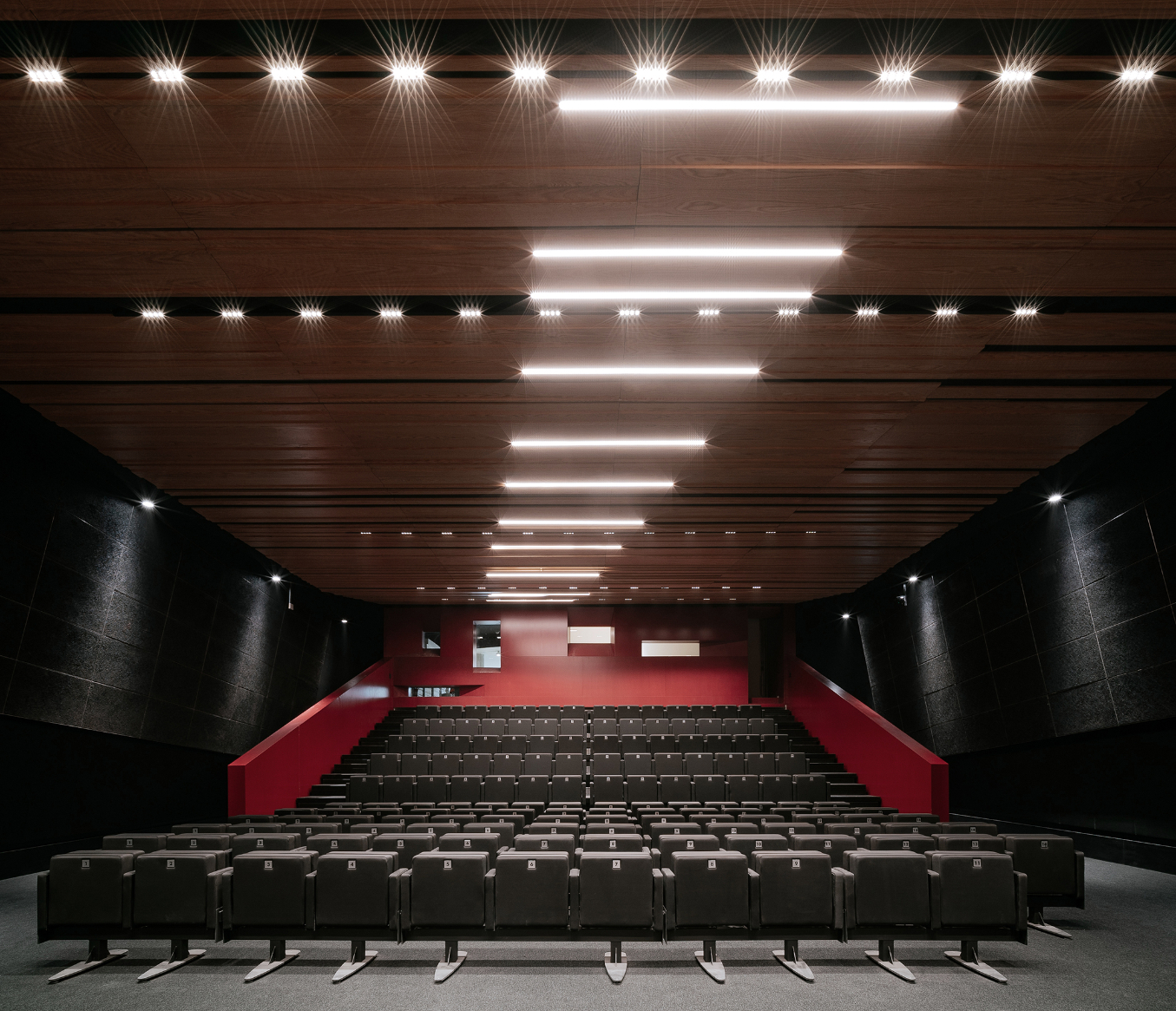
Diriyah Art Futures is a state-of-the-art prototype, an “incubator” designed to support and inspire digital research by emerging Saudi and international artists.
A 12.000-square-meter space located northwest of Riyadh, in the heart of the desert, near one of the most important historical and archaeological sites in the Arabian Peninsula. A place with a vocation not only for exhibitions but also for education and art production; through the work of artists, designers, and technology experts, it will connect experimentation and international audiences.
The place. Territorial analysis of the pre-existing urban and historical buildings, of the anthropological nature of settlement and of habitat.
Historian Robert Lacey called it “A Pompeii swept by the desert winds”.
Addiriyah, the ancient Saudi capital on the Najd Plateau at 20 km from Riyadh, was brought to light through extensive recovery and restoration work in the early 2000s and has once again become symbol of the country’s cultural renaissance.
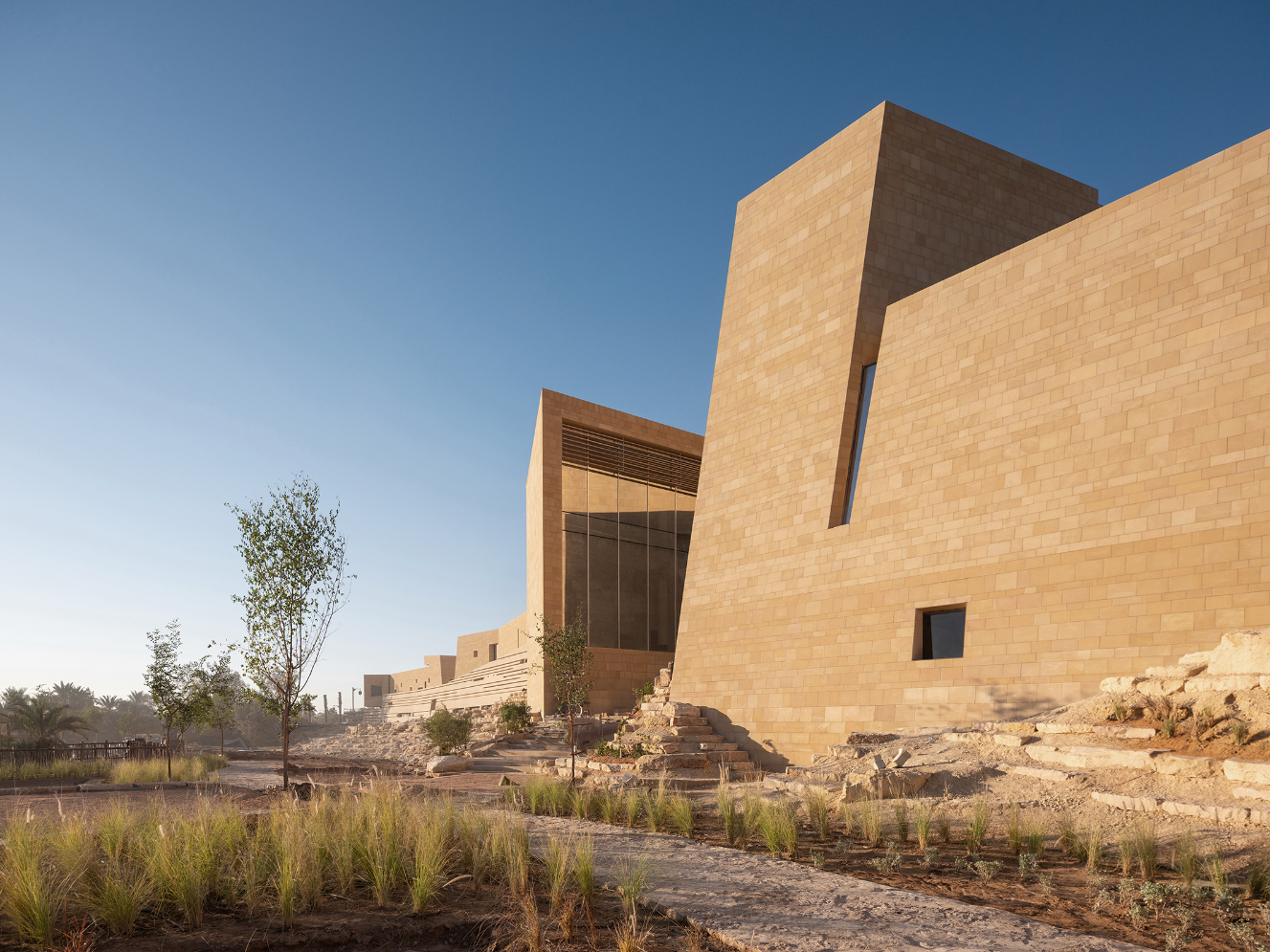
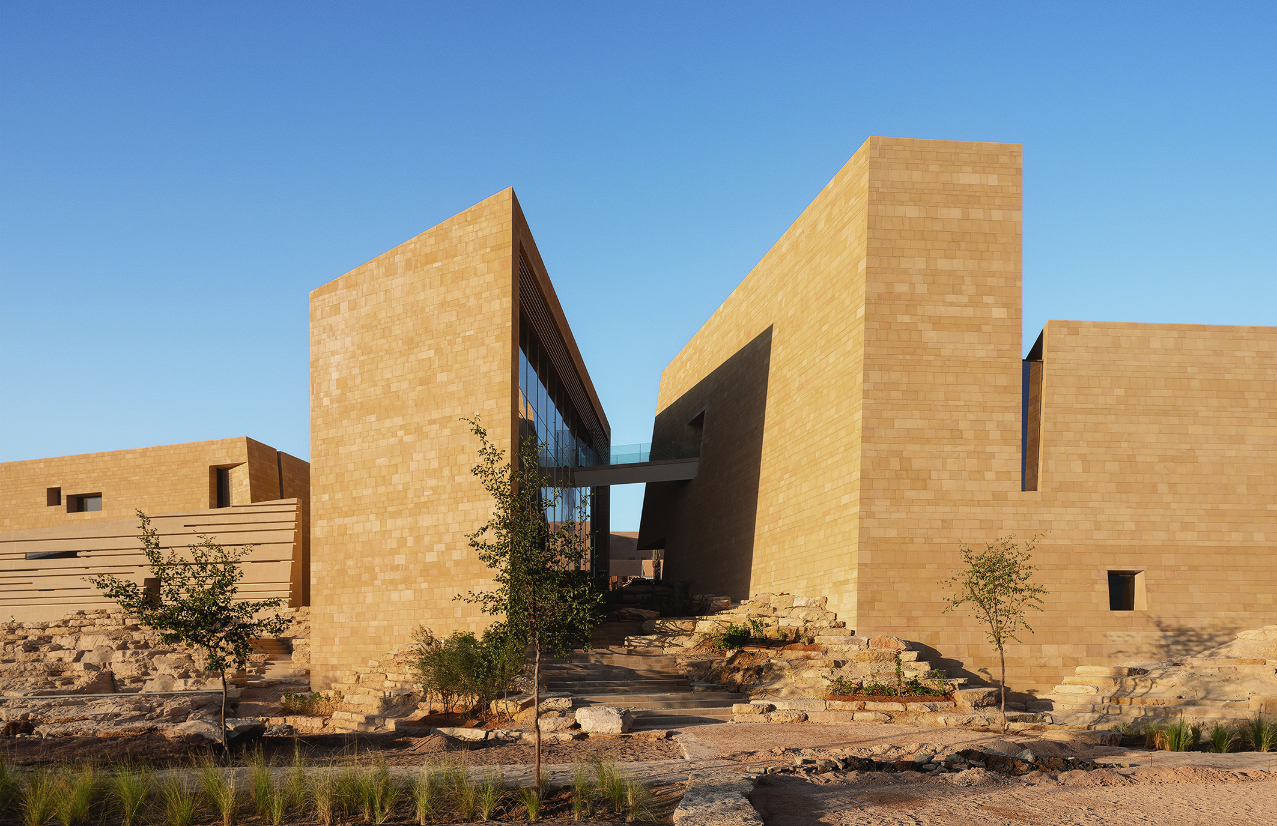
The Diriyah Art Futures project develops horizontally, in a setting of incredible beauty, adjacent to UNESCO site At Turaif, the original residence of the Al Saud Royal Family, on the ridge of a wadi an agricultural depression in the middle of the desertic plateau. The project was conceptualized, by means of distributed volumes, to stitch together the urban and agricultural parts of Wadi Hanifa and to re-establish a balance between built and nature, a coupling that deeply belongs to Saudi culture.
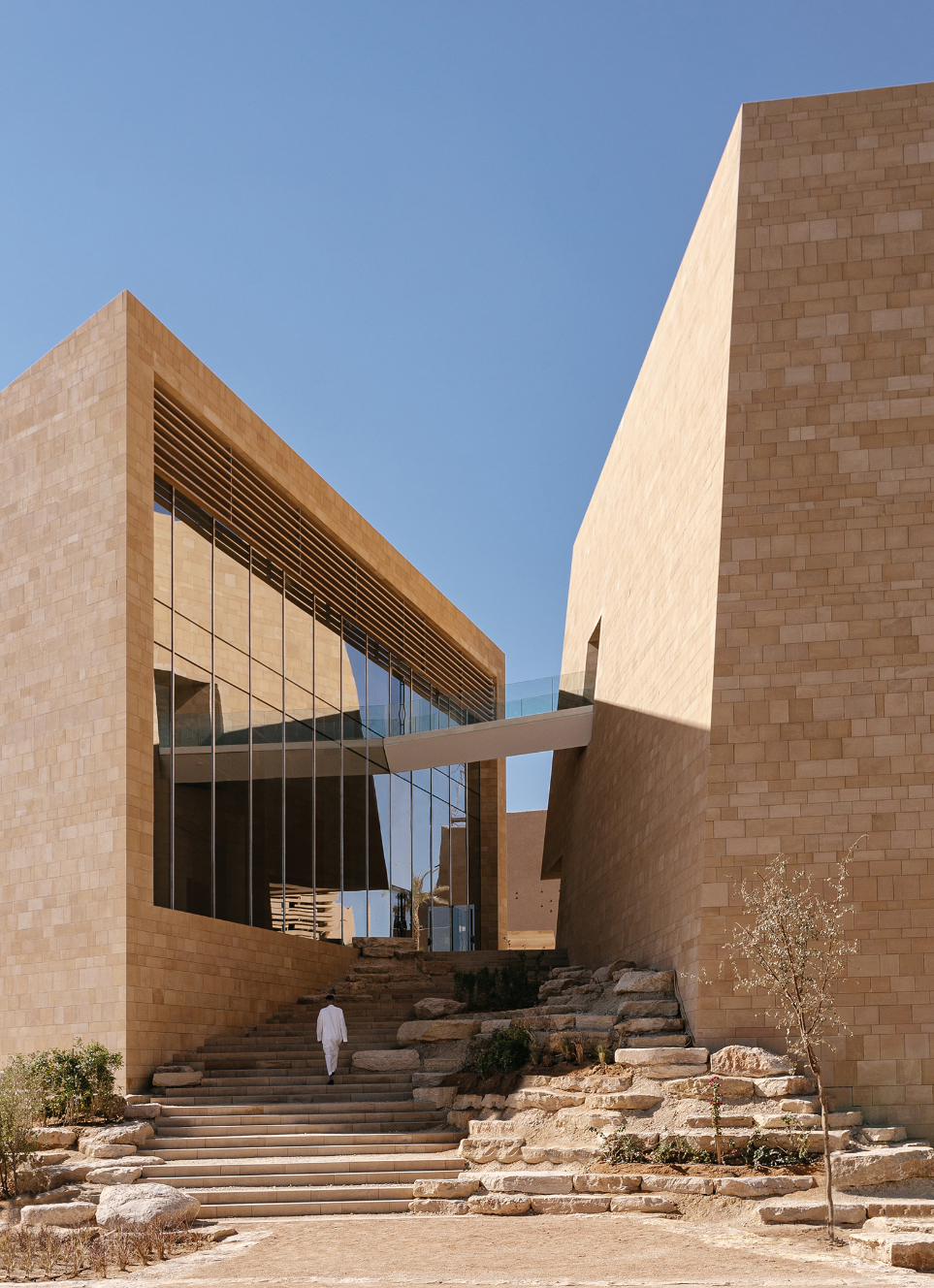
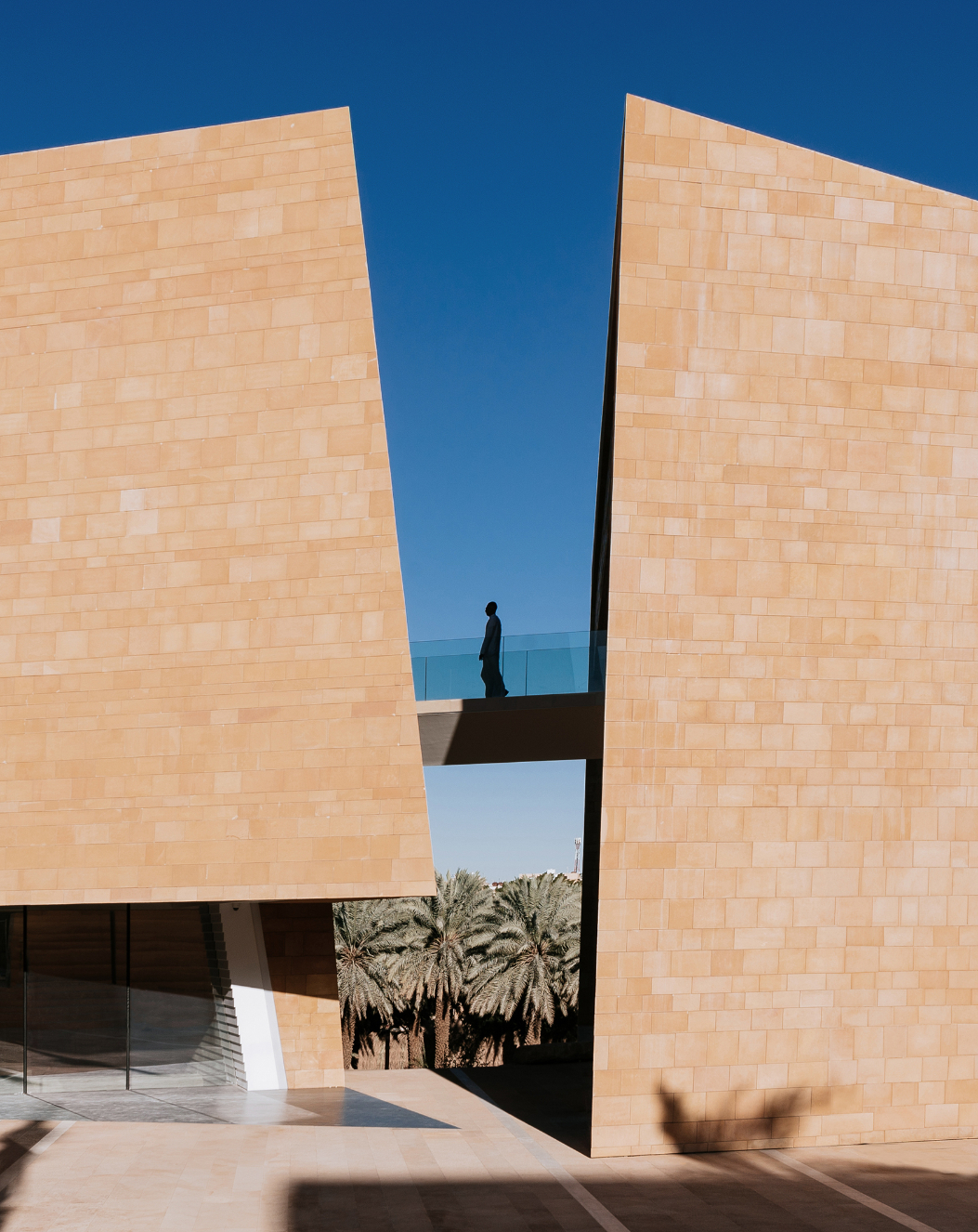
“This is almost a border building,” the designers said. “On one side there was the conso- lidated old town, made of narrow streets and small buildings, and on the other side there is the agricultural part with its gardens and fields creating a fabric. In between the two were the walls, elements of separation and union at the same time. Through the gates water, agricultural produce, building materials were brought into the city. We have emphasized this idea of passage through which everything connects while still clearly marking a boundary.
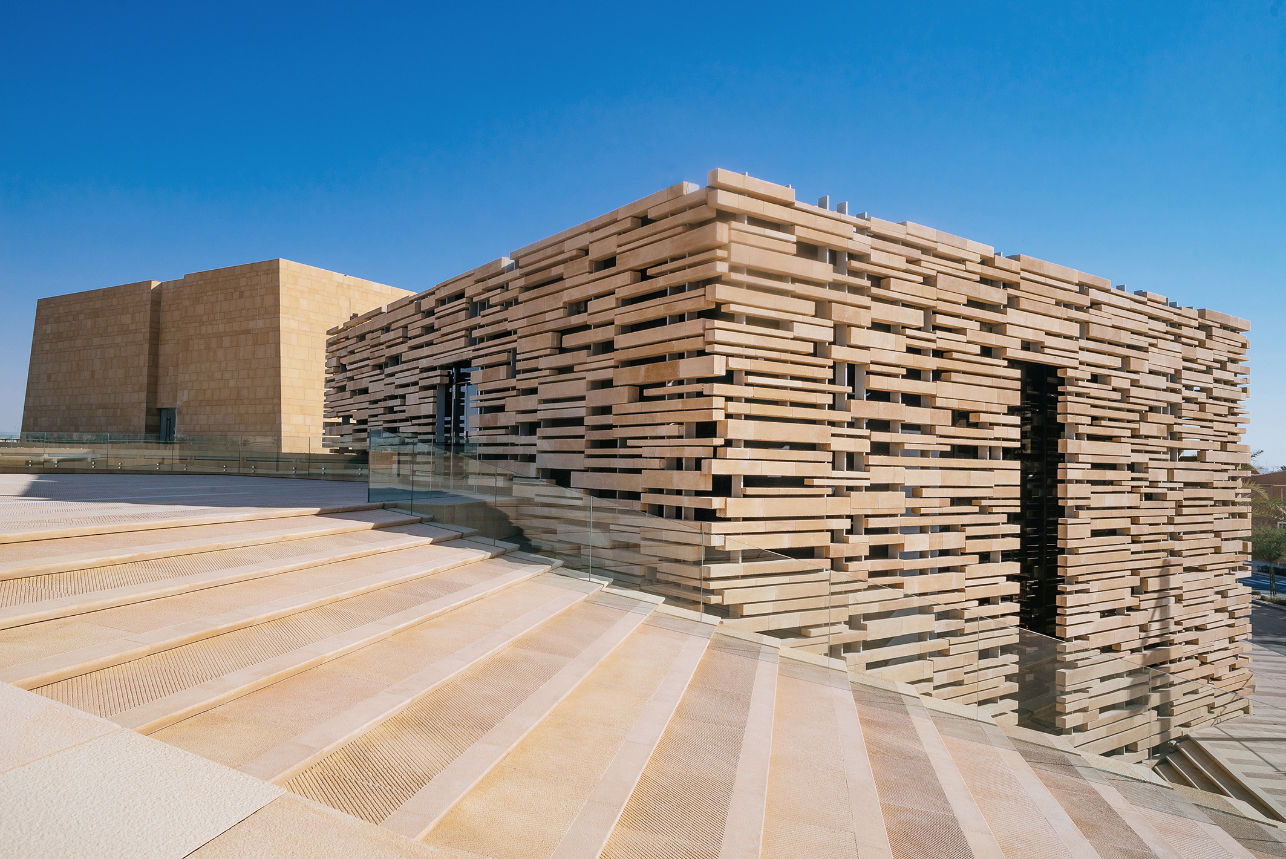
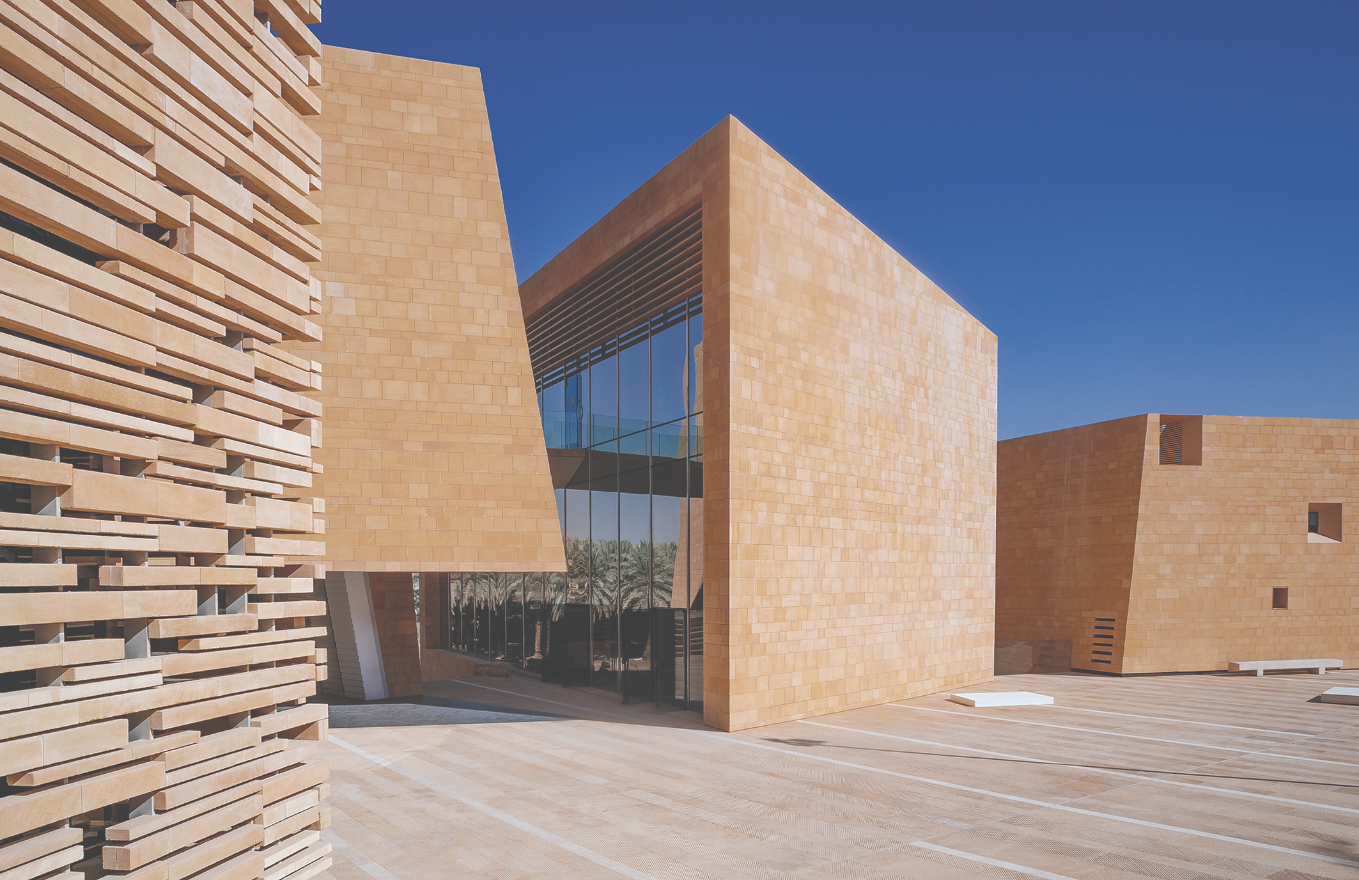
Diriyah Art Futures is a form of “waste-free” architecture that comes into being, as a tradition of desertic areas, seeking to answer as many questions as possible through form, the distribution of spaces on the ground, taking advantage of distinctively local conditions, materials and knowledge. This complex reveals knowledge of traditional Najd settlements, their articulation of volumes and their configurations, compactness and porosity. It is a contemporary project that accepts the challenge of creating a new cultural, technological, and human wealth in an area layered by time.
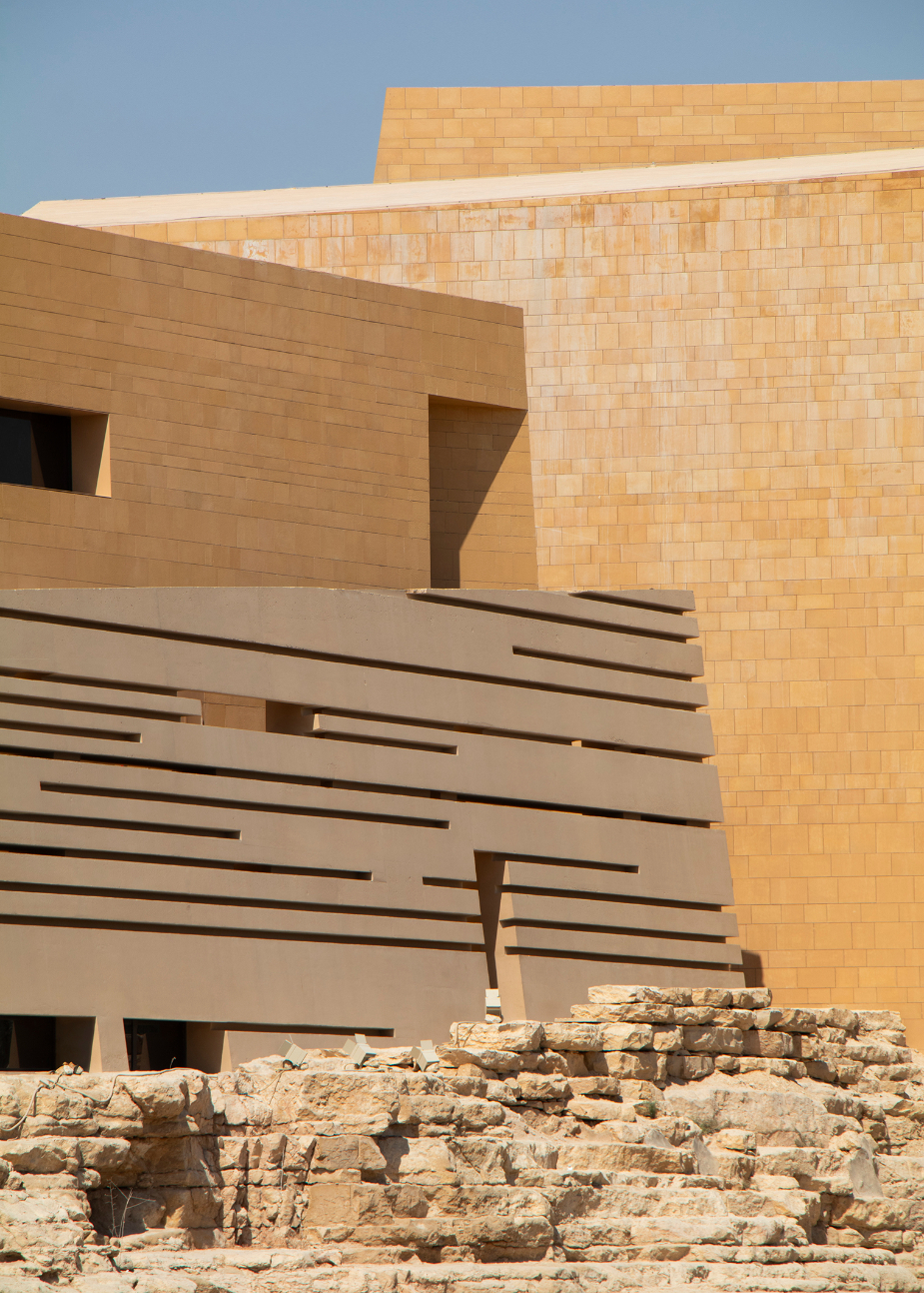
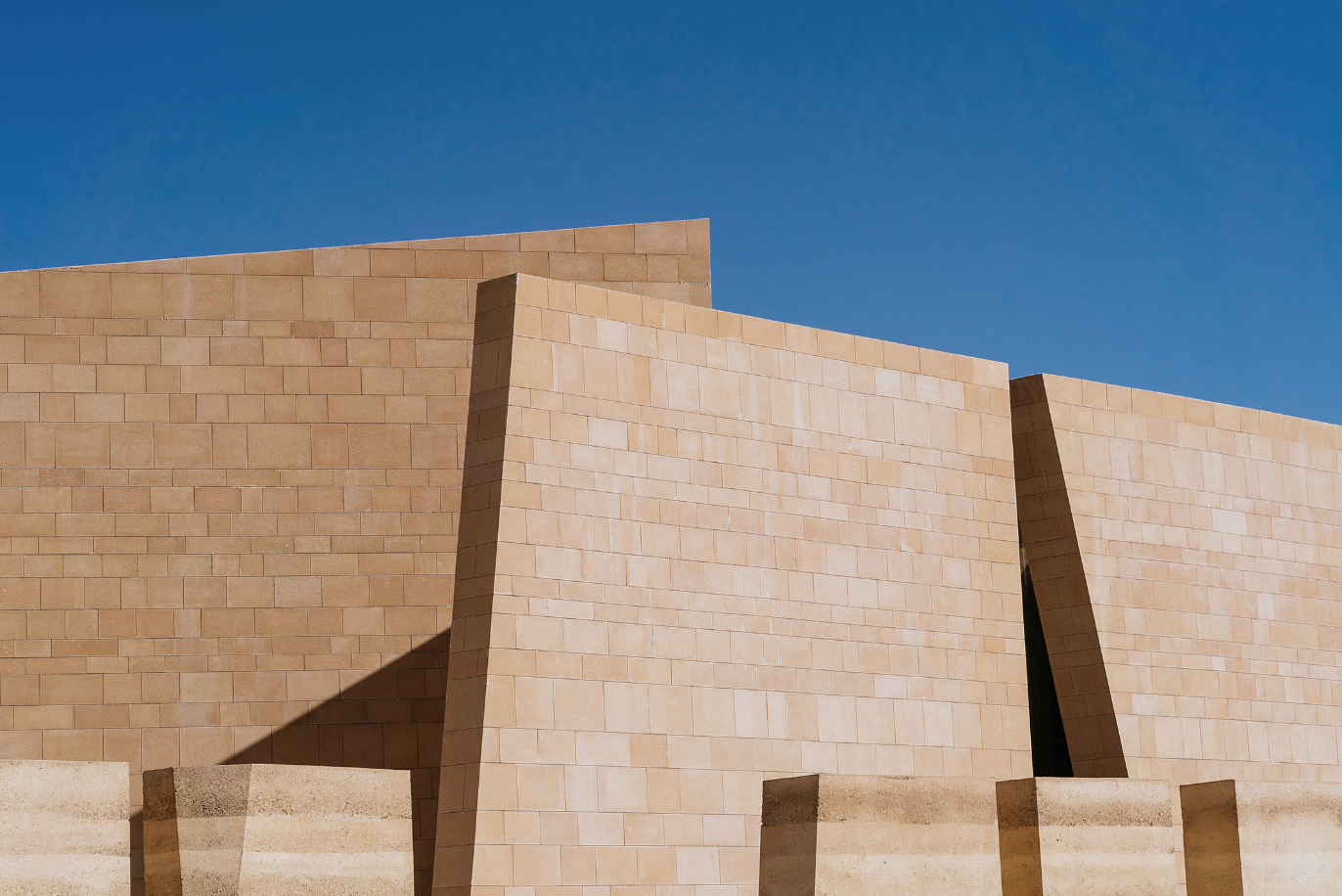
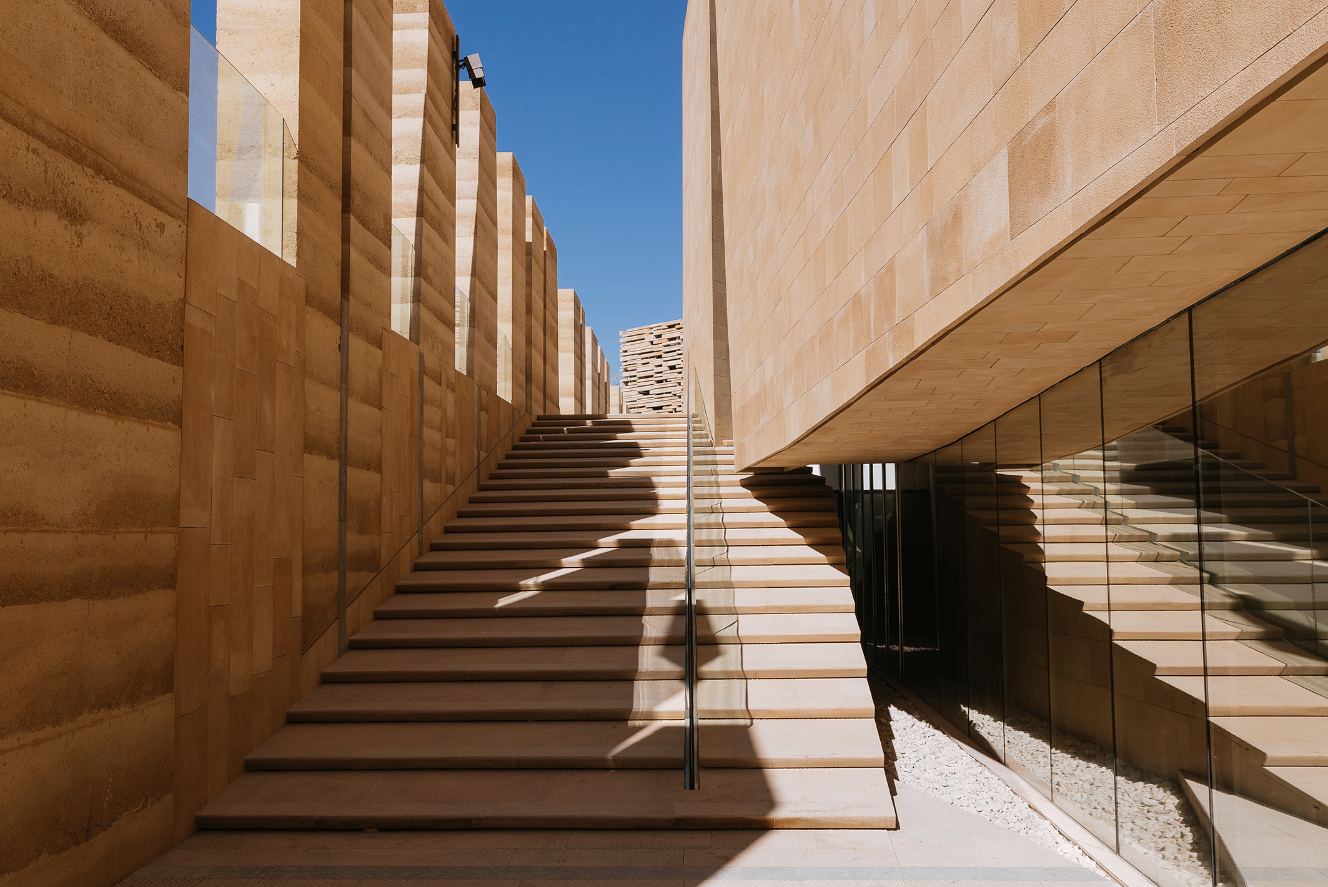
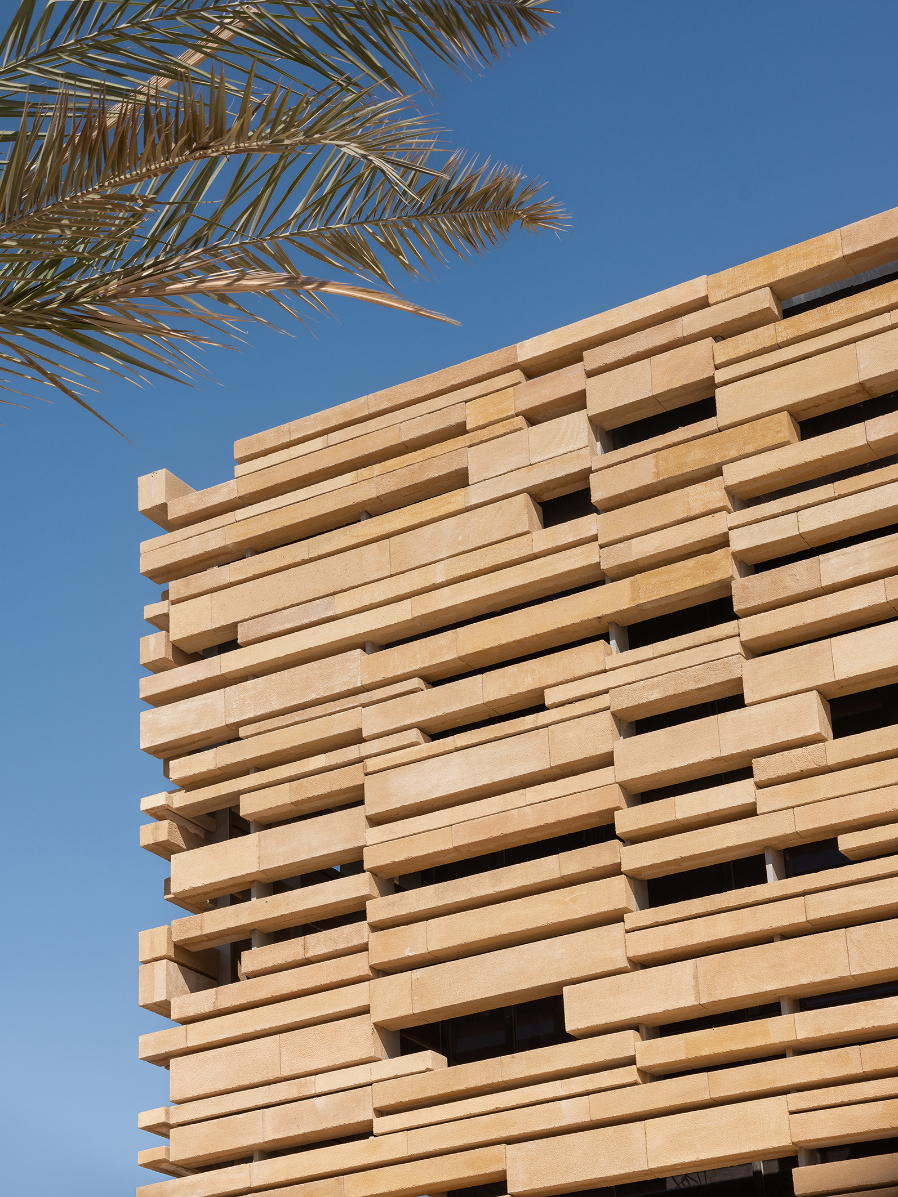
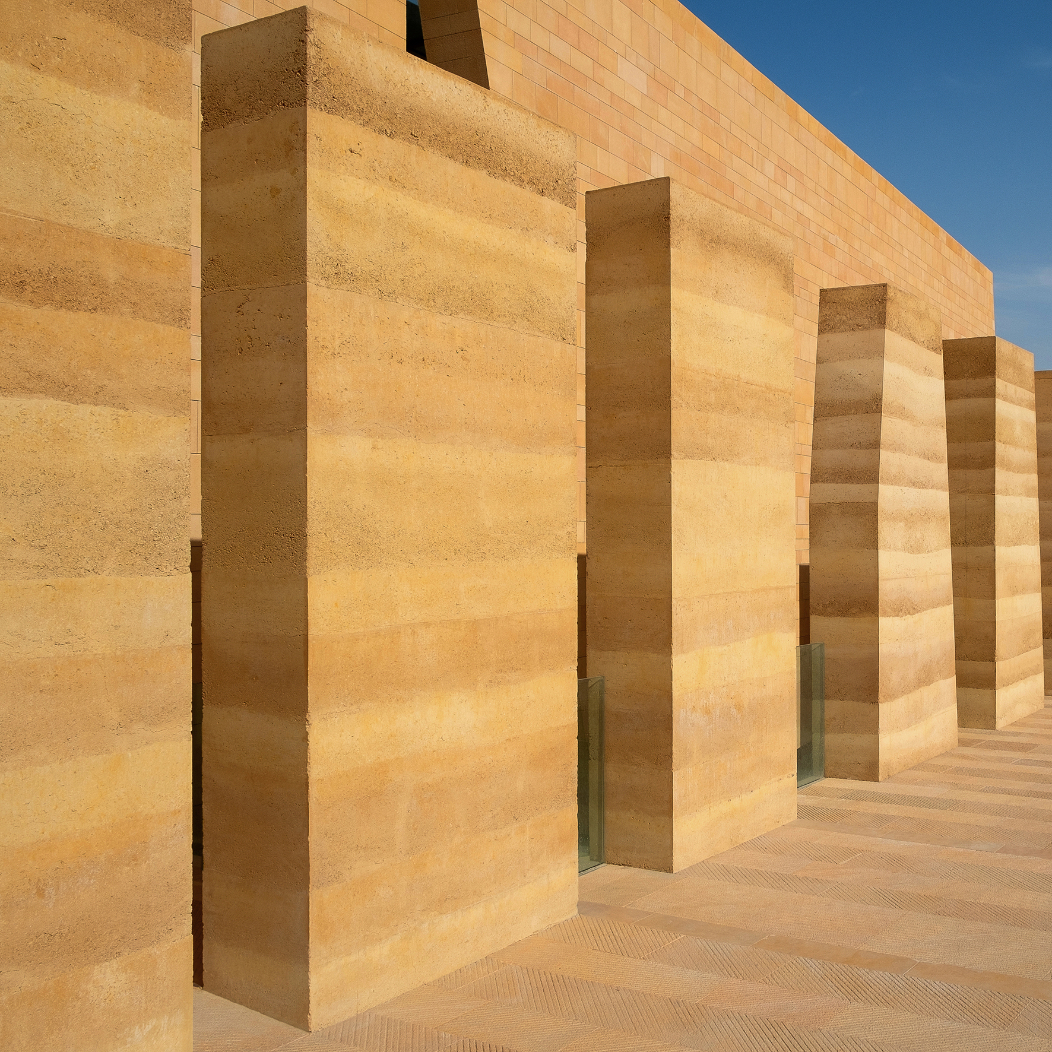
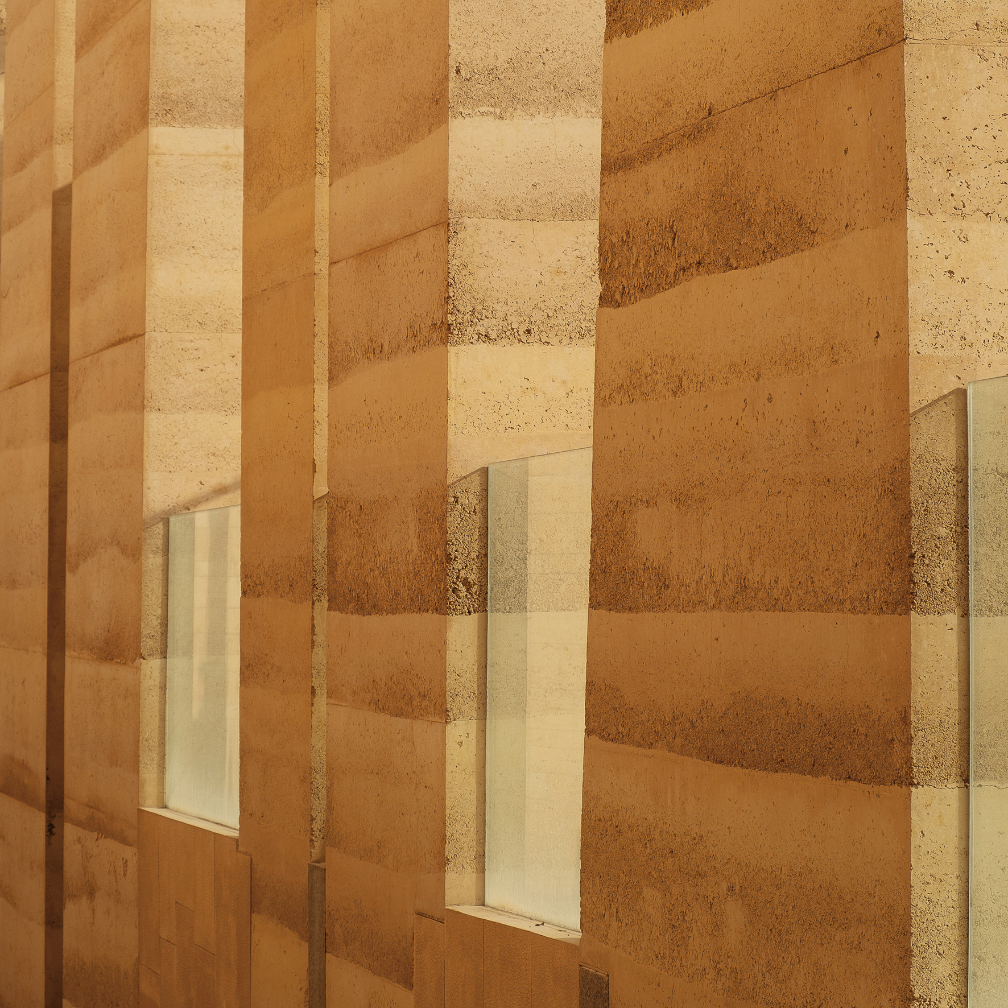
“According to Najd tradition, desertic architecture is based on the principle of sourcing building materials on site. We used local stone, unfired earth and mud plasters.
The result is a very powerful textural continuity between the ground and the building itself. We thought of a complex rather than a single building precisely to minimize the impact of the built over the natural element.
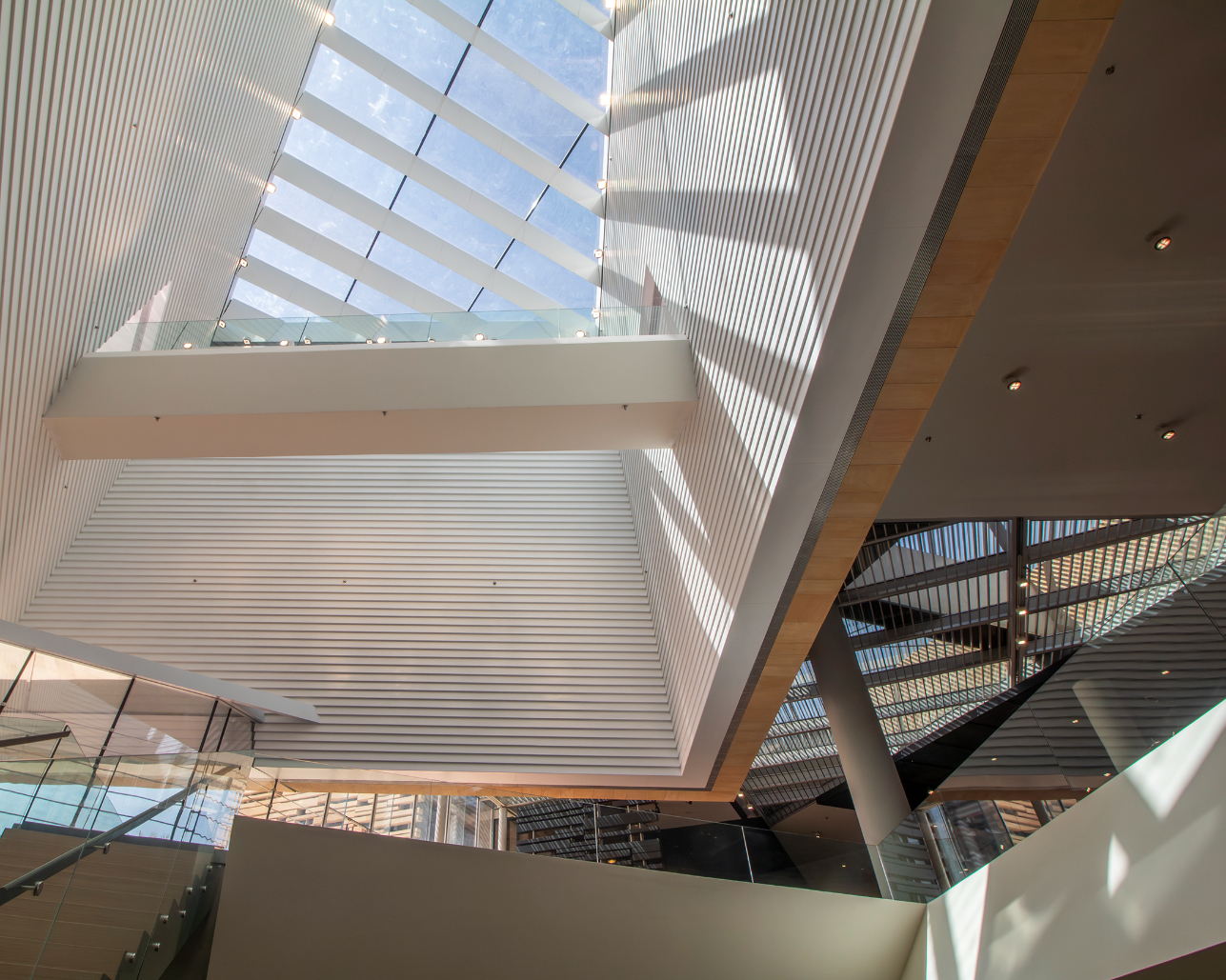
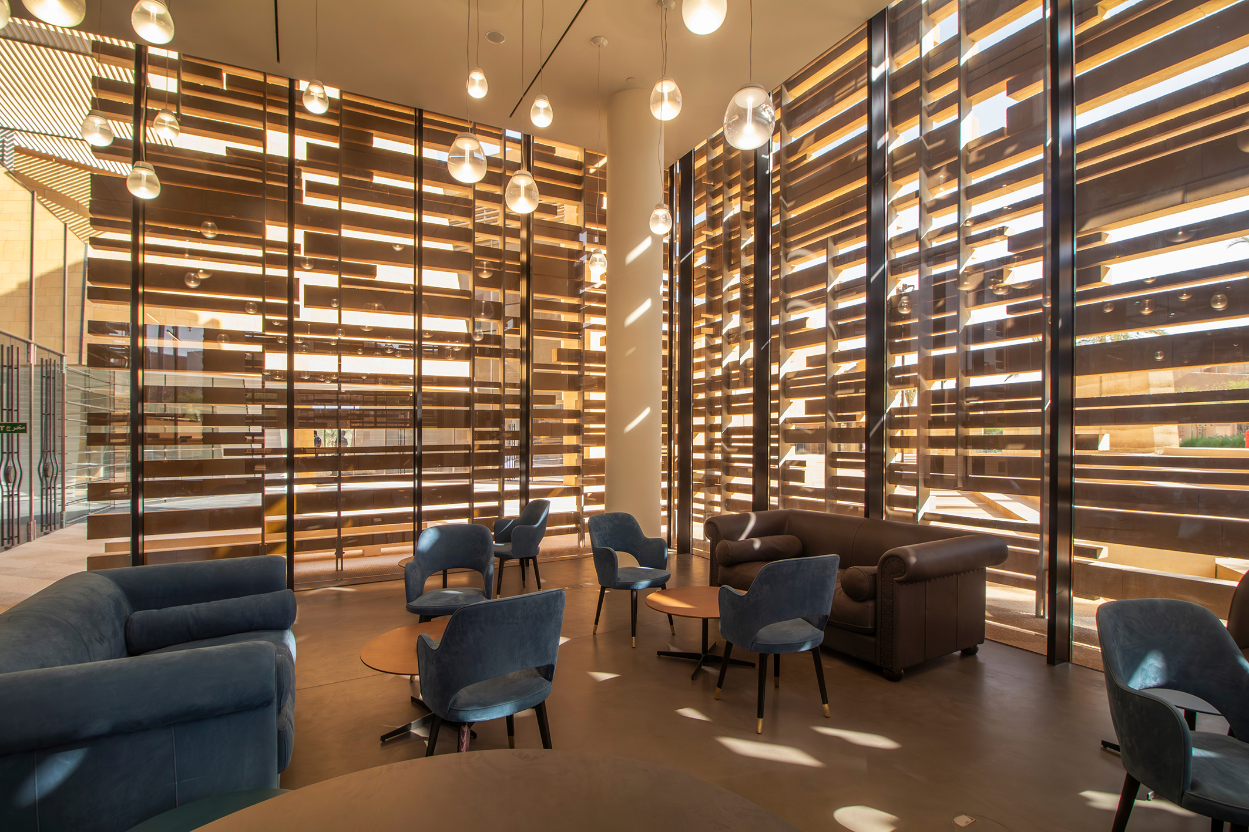
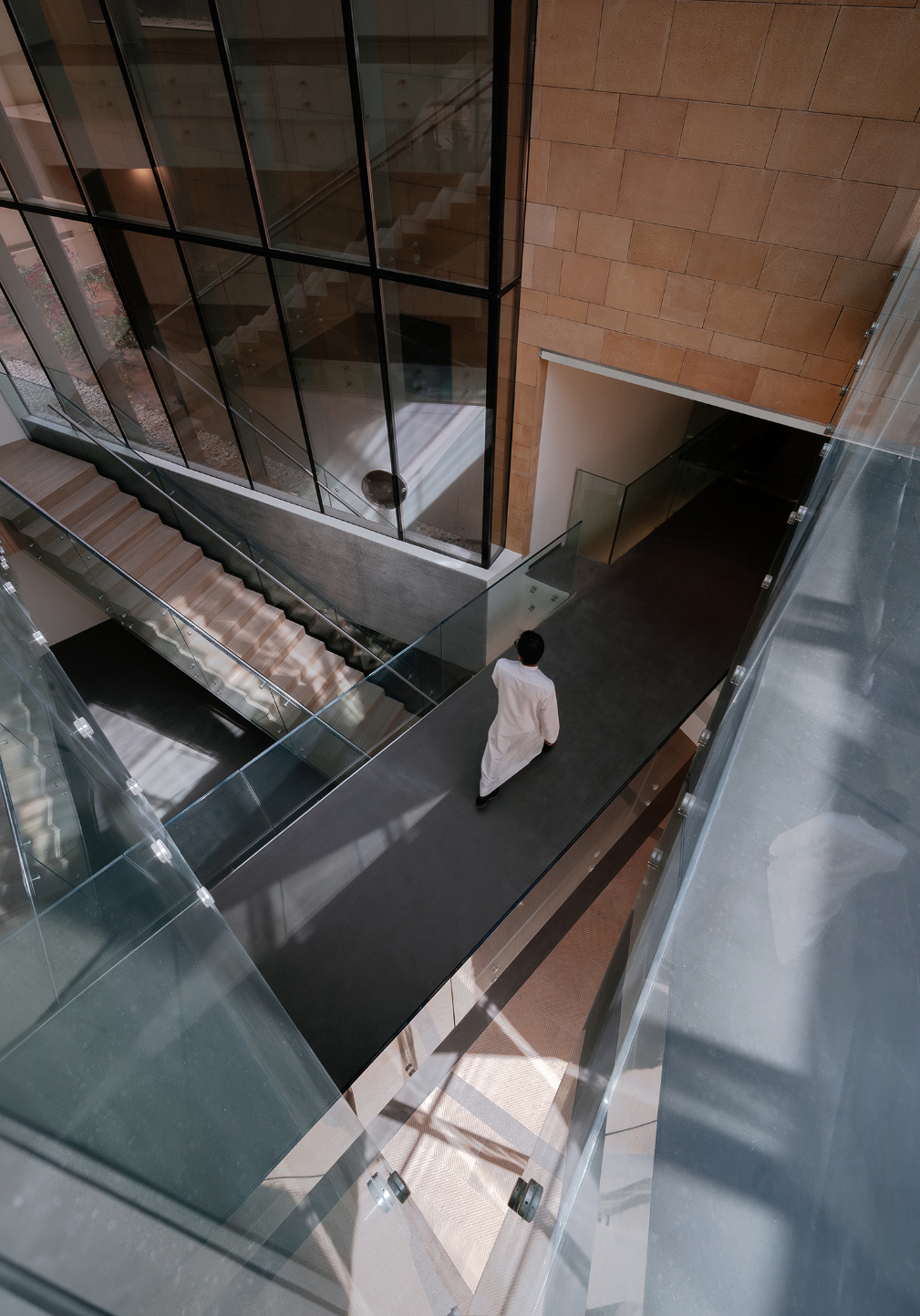
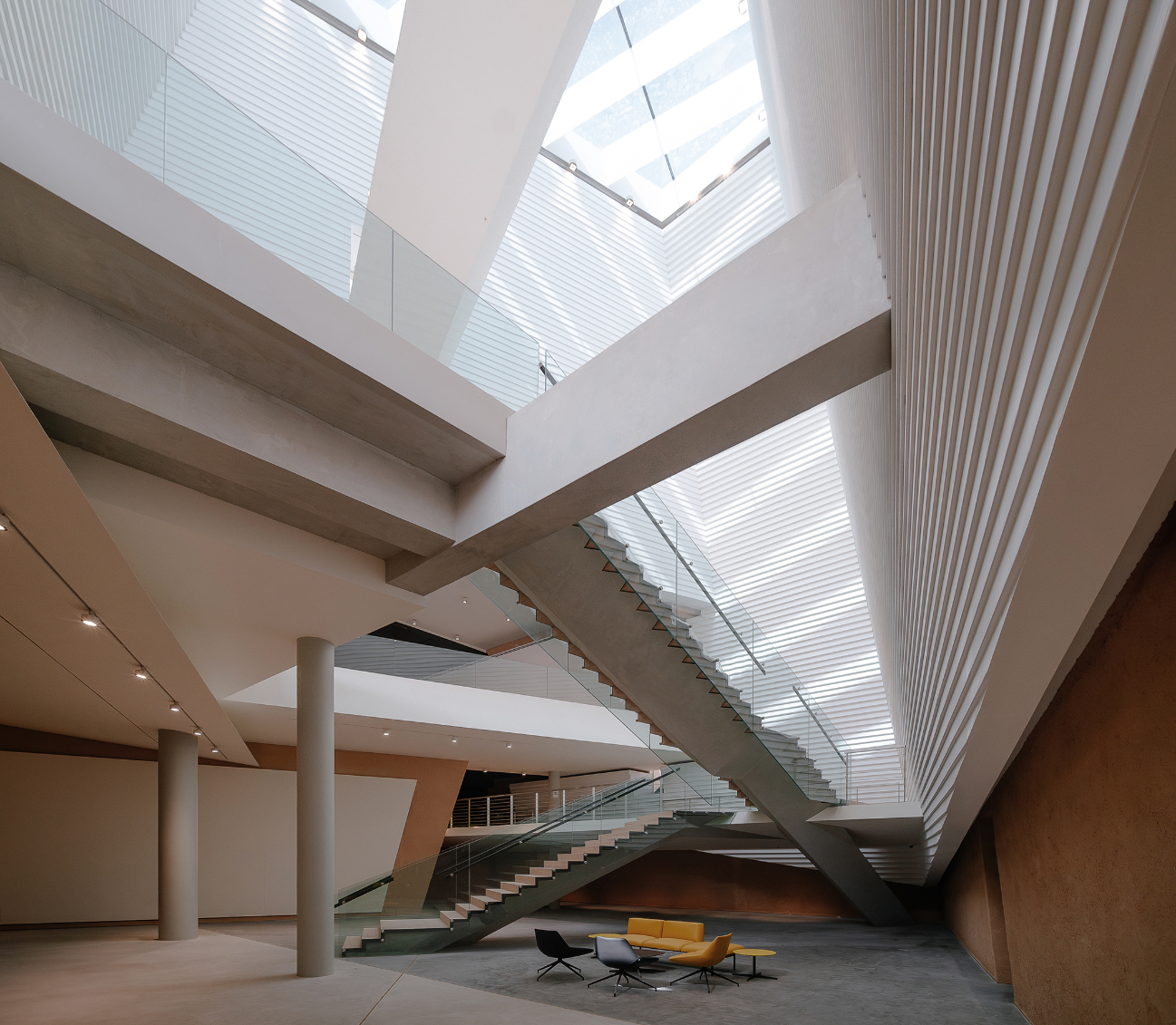
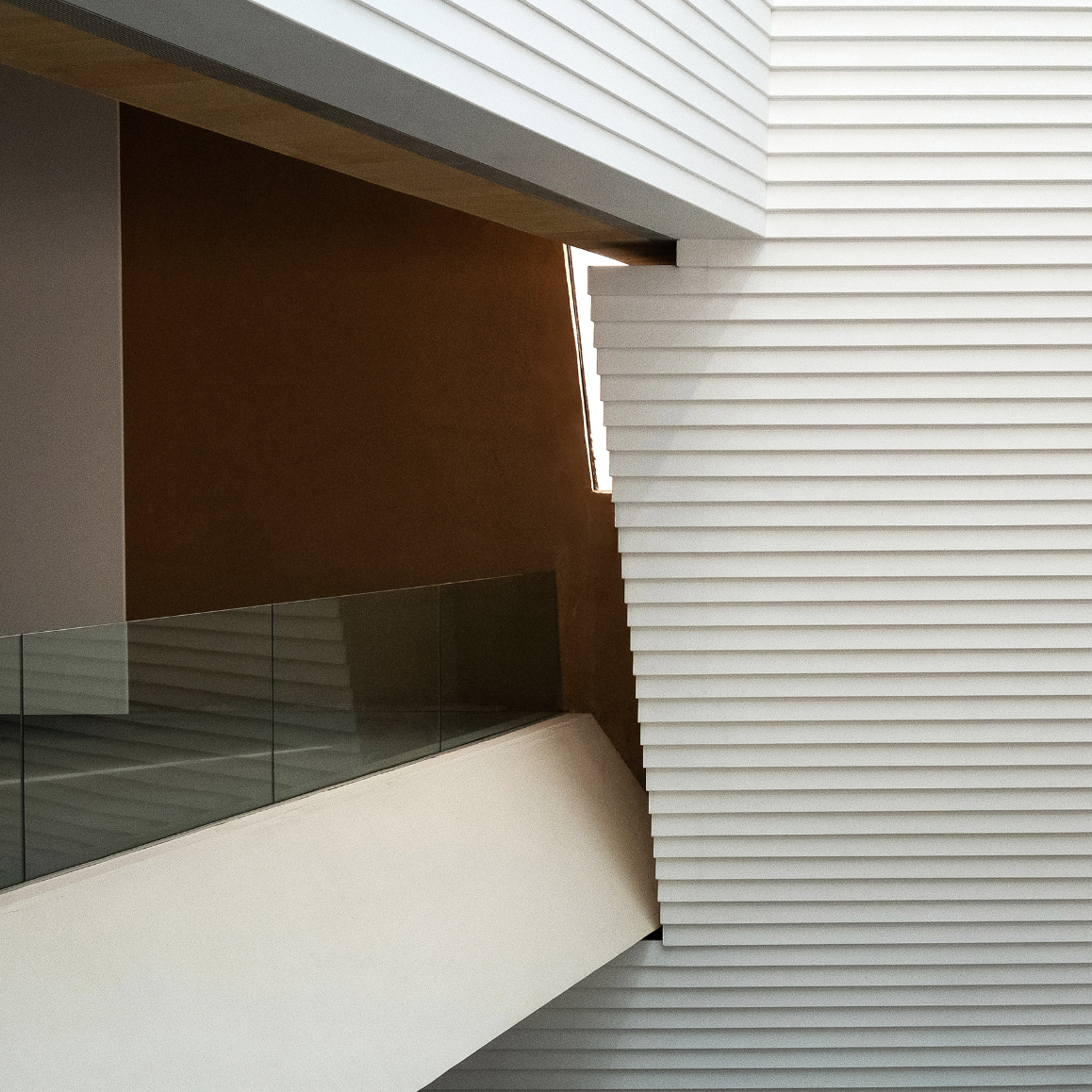
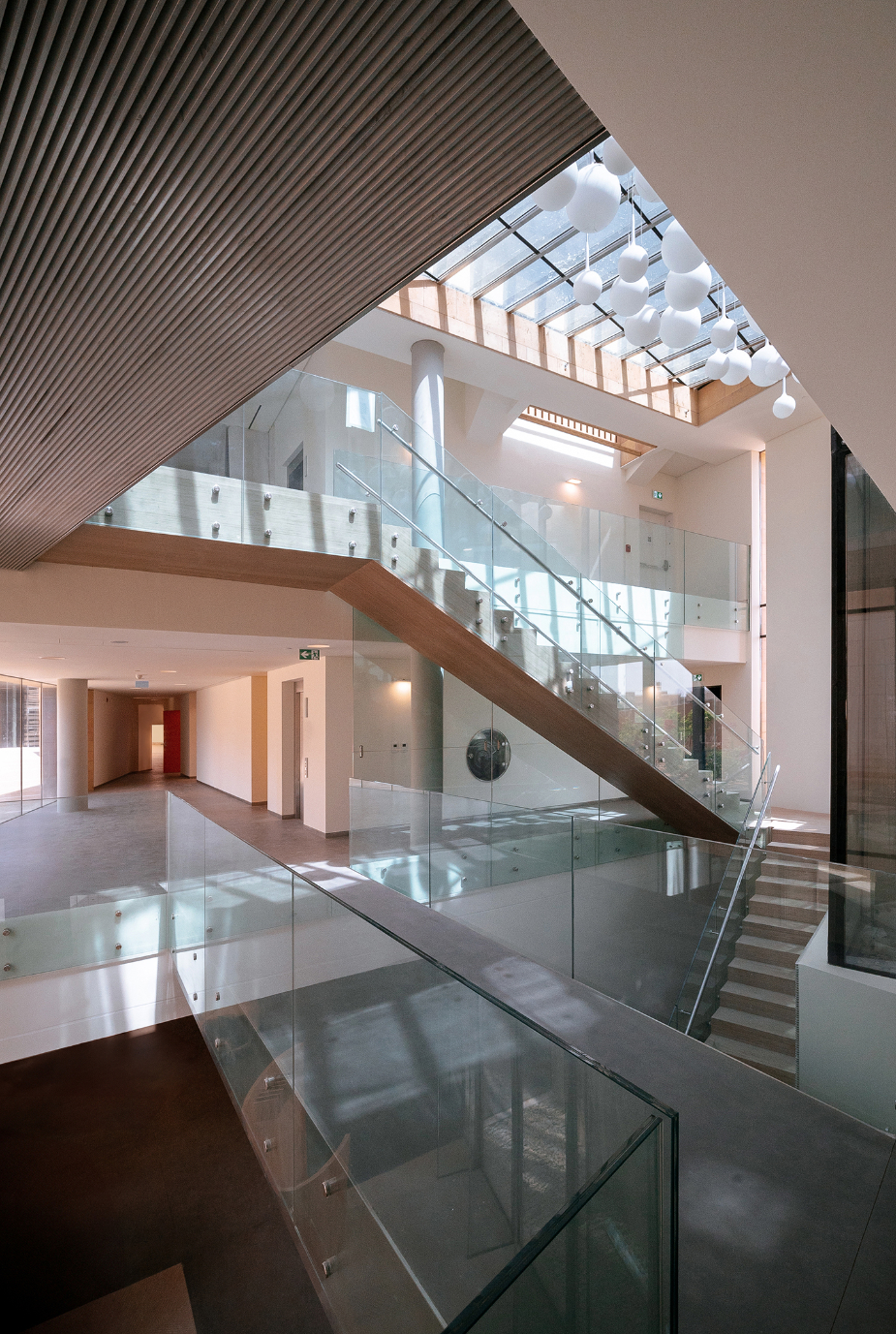
The spaces between built volumes harking back, in terms of size and configuration, to the narrow streets and small squares of ancient settlements create deep and compact places of shade where the wind circulates, lower the temperature between volumes of architecture and protect the pedestrian paths from the sun and heat. For the same purpose, air channels oriented toward the wadi, the wettest area, were crea- ted. Inspired by the most modern sustainability criteria, the complex was built consi- dering sun exposure to increase performance and save energy by means of a geother- mal cooling system, as well as a rainwater collection and recycling system.
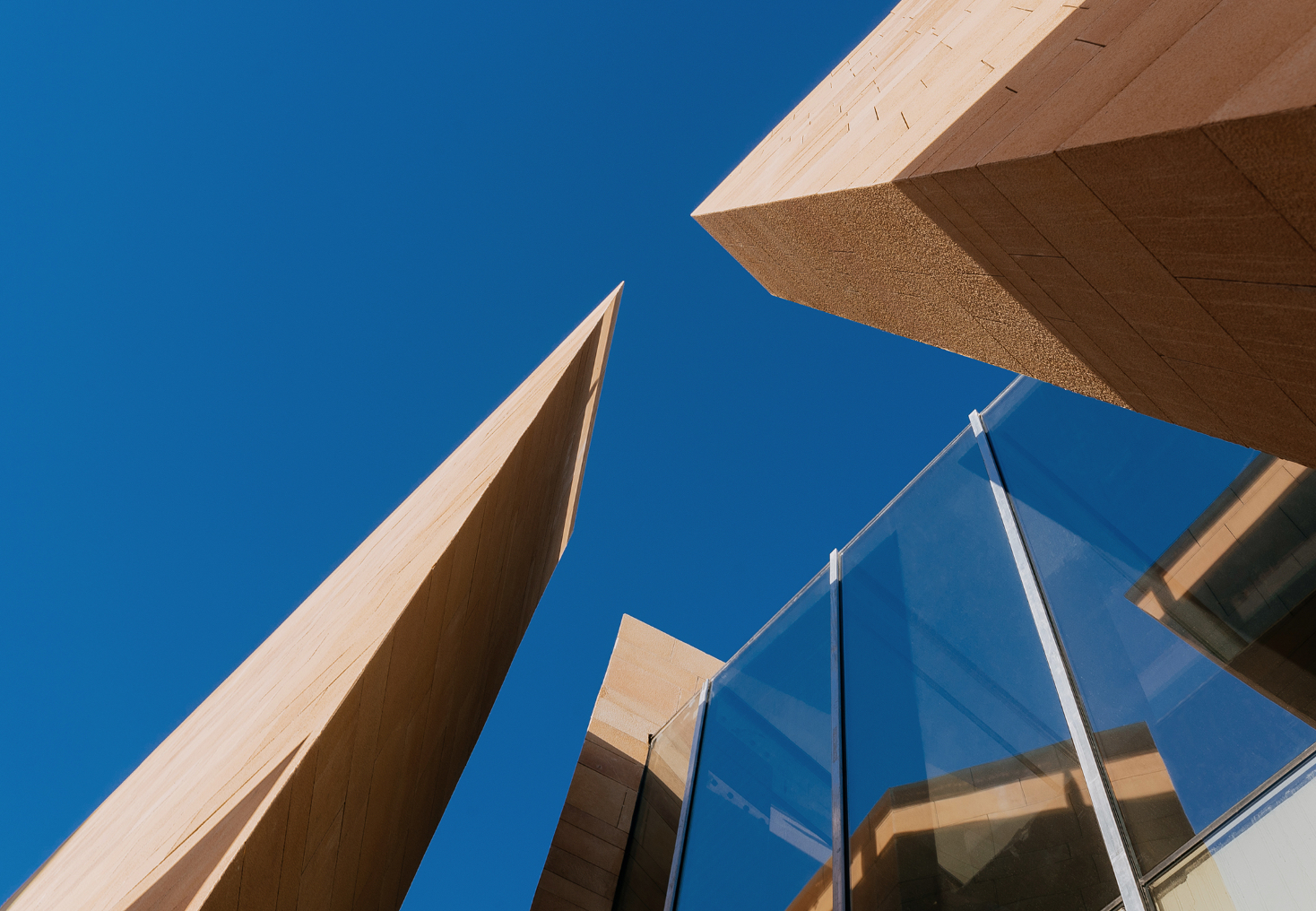
Is in the some time a monumental architecture with it’s volumes standing over the wadi as human dimensional urban landscape.