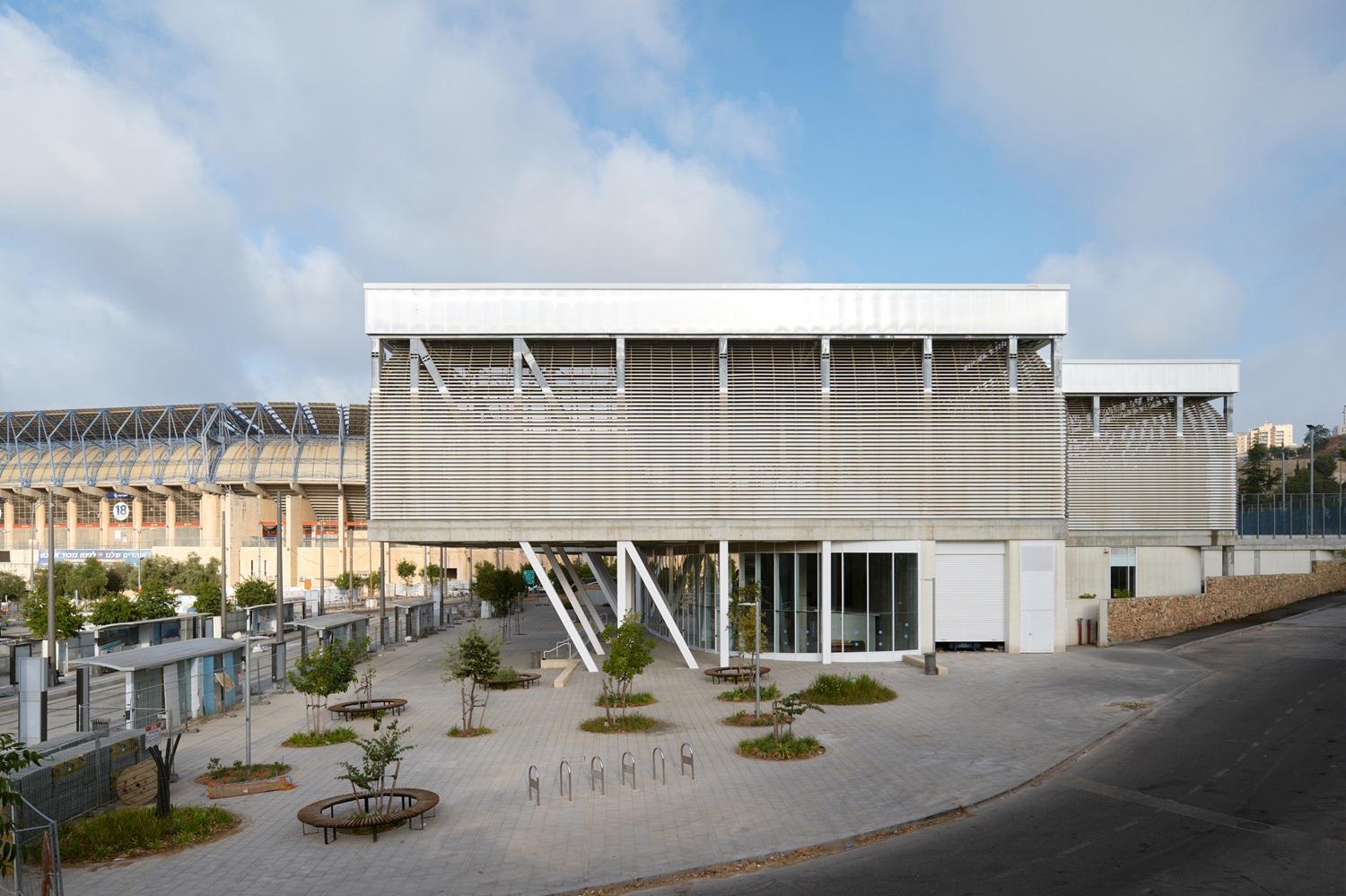
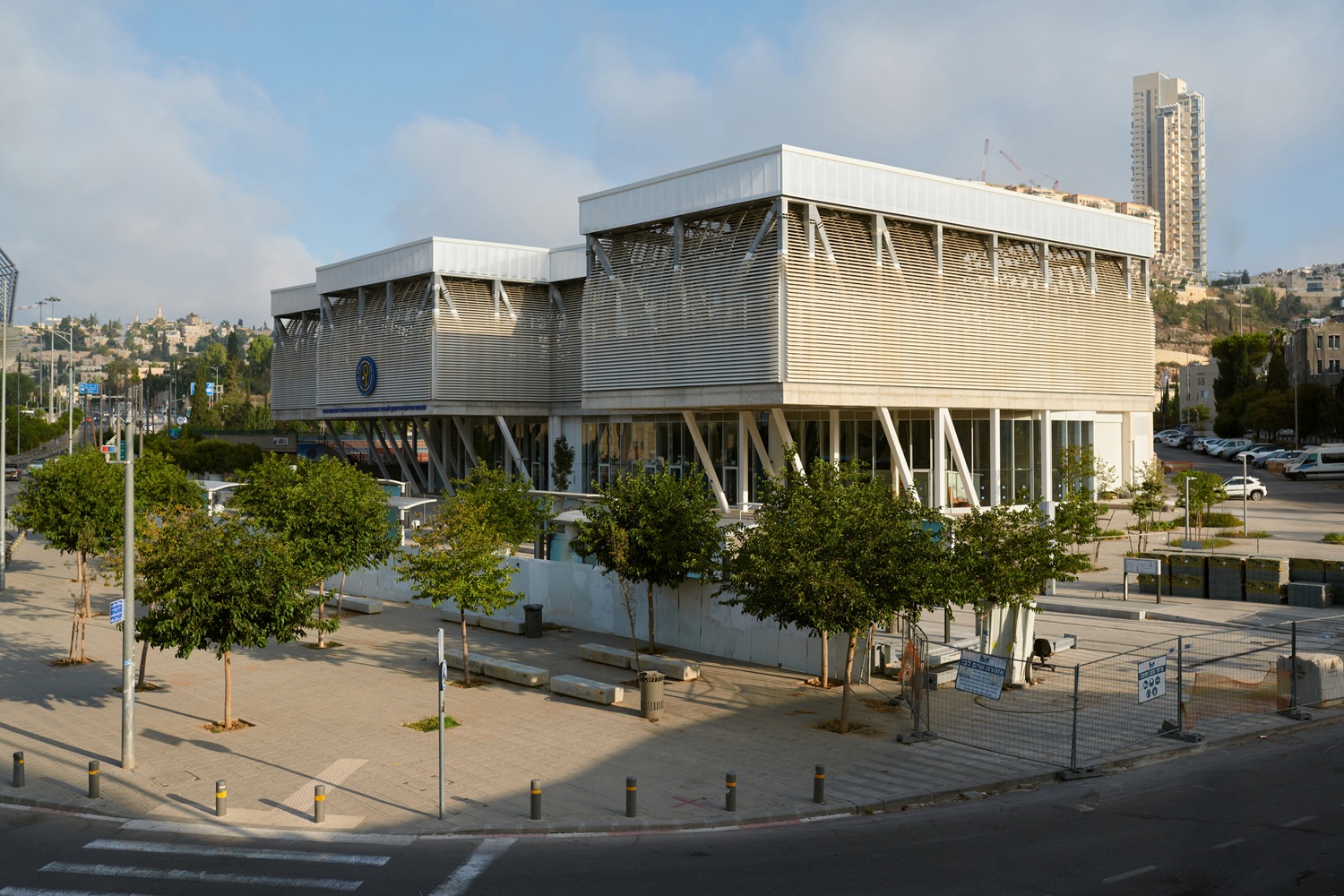
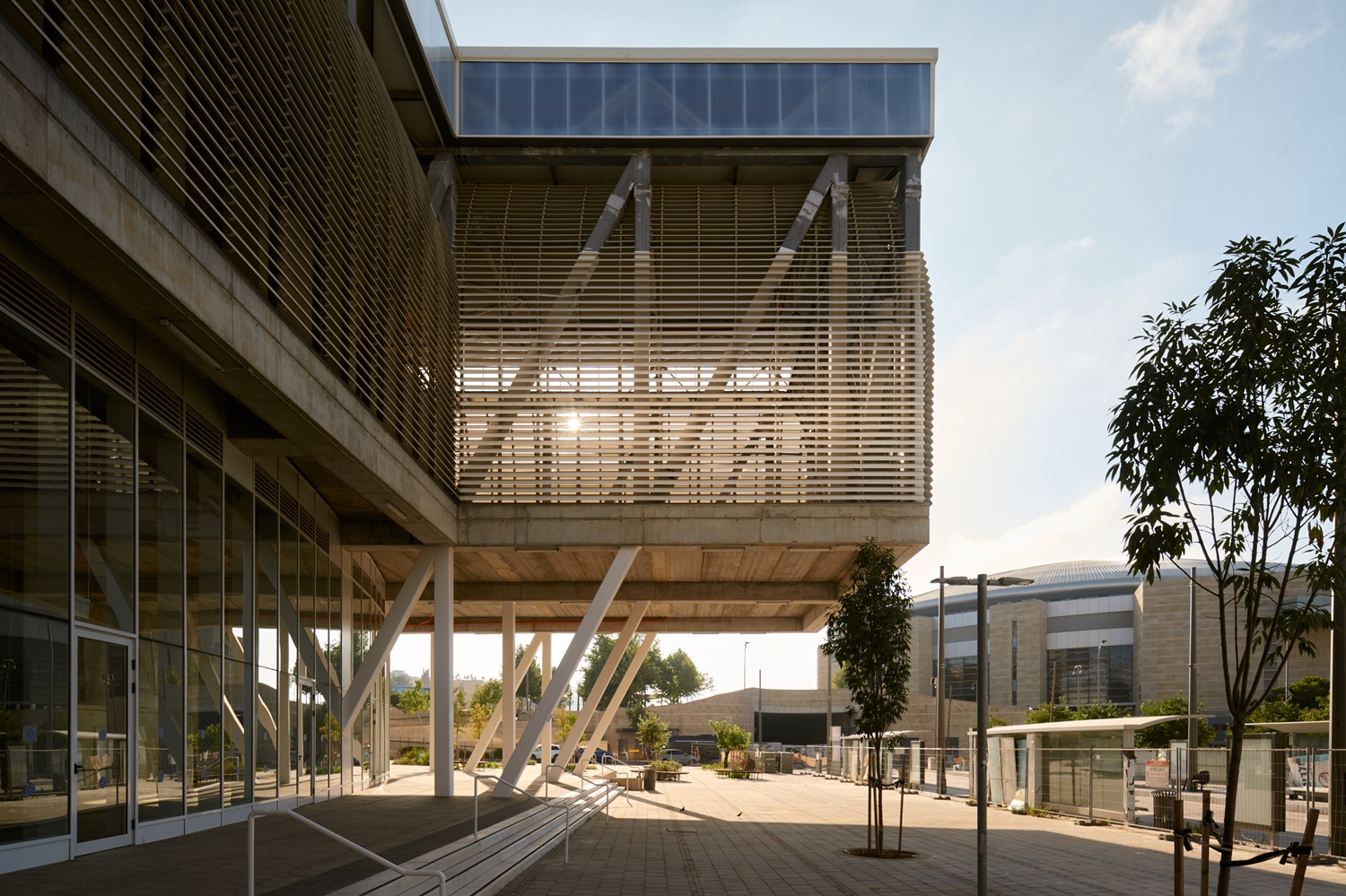
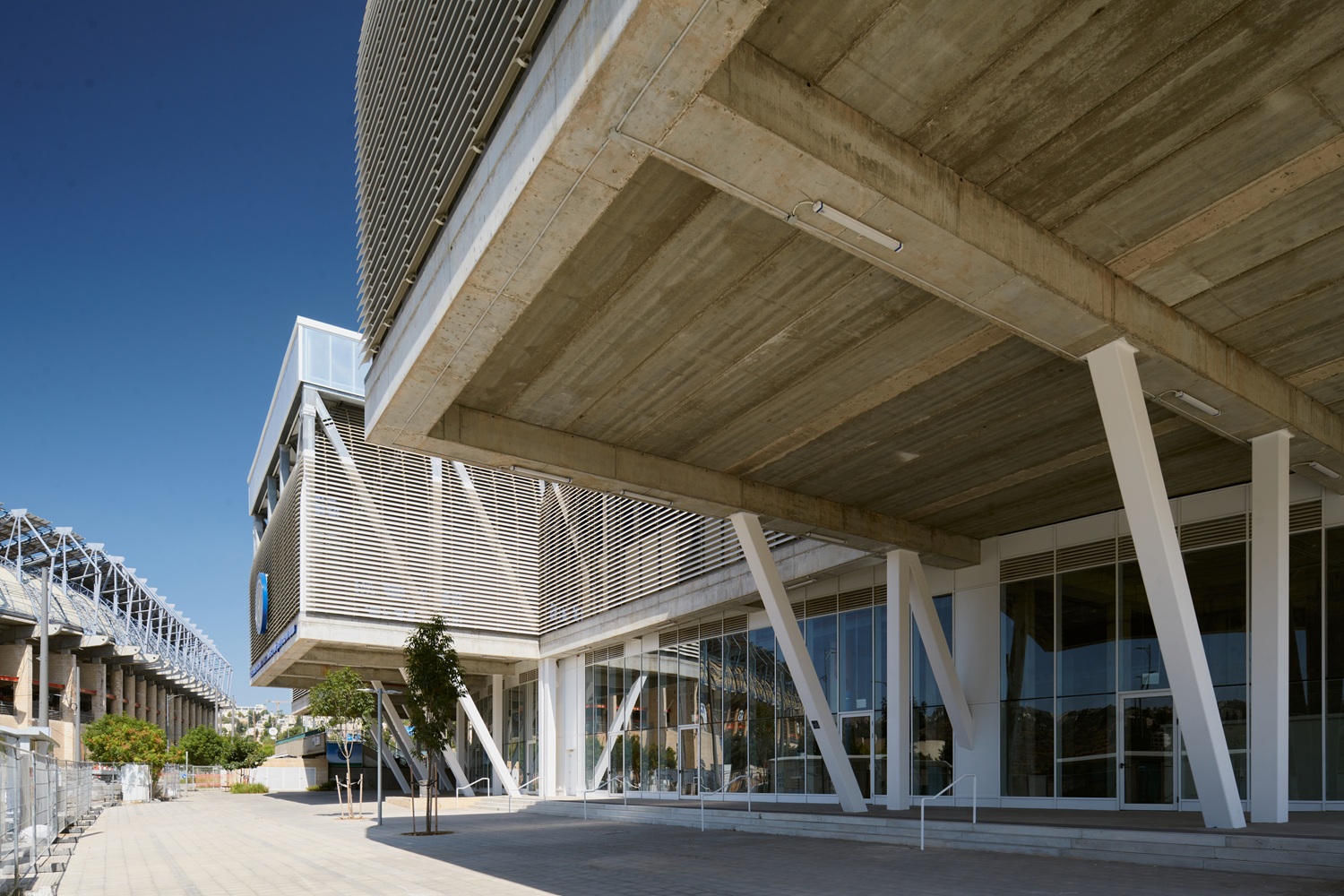
The Stuart Weitzman Tennis Complex in Jerusalem, designed by HQ Architects for the Israel Tennis Association, is a state-of-the-art sports facility that redefines the city’s recreational and sports landscape. Located on the grounds of the Ben B. & Joyce E. Eisenberg Israel Tennis & Education Center, the 9,000 m² two-story complex introduces year-round indoor sports facilities that meet the highest international standards while reimagining a longstanding community asset through design innovation, accessibility, and sensitive urban integration.
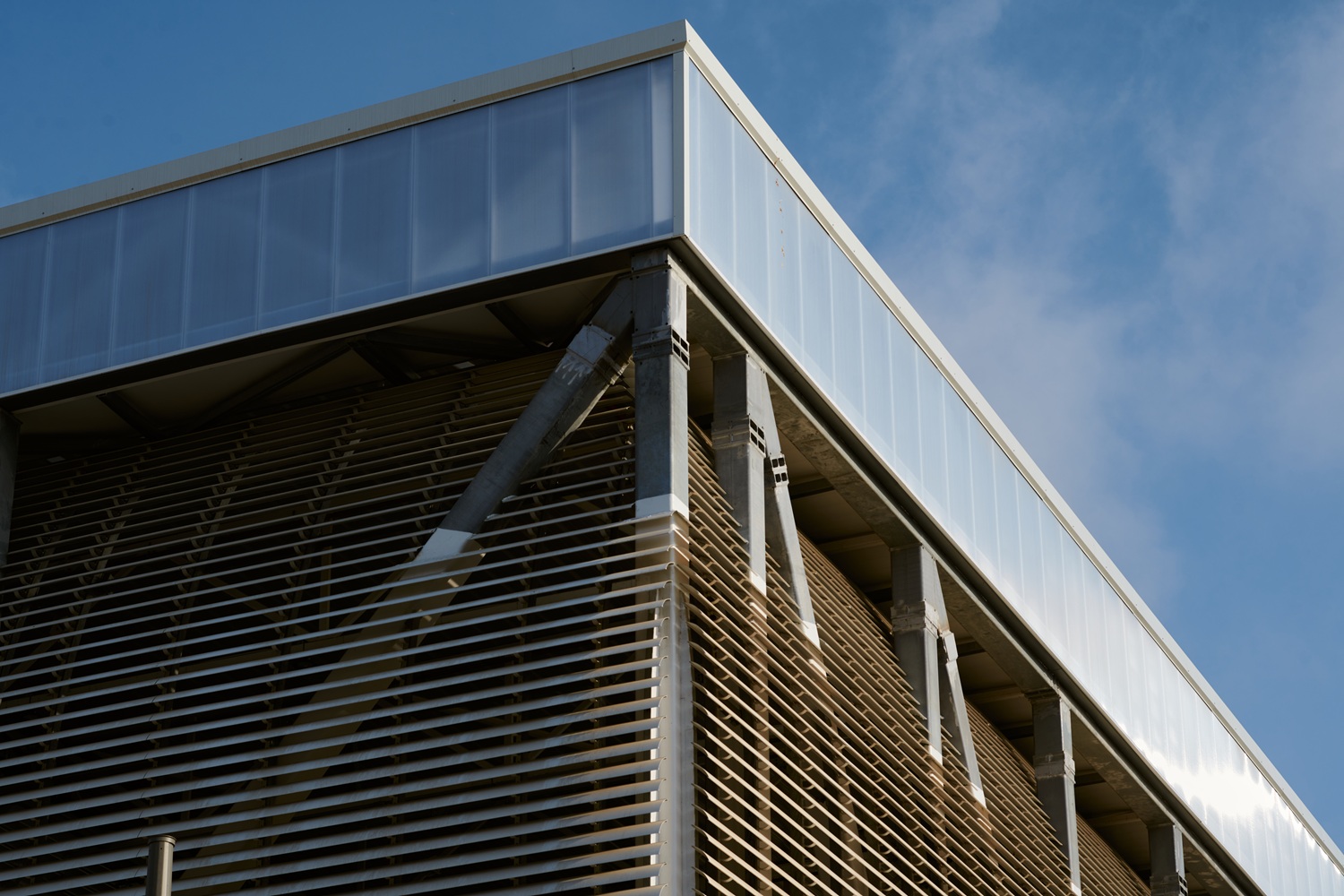
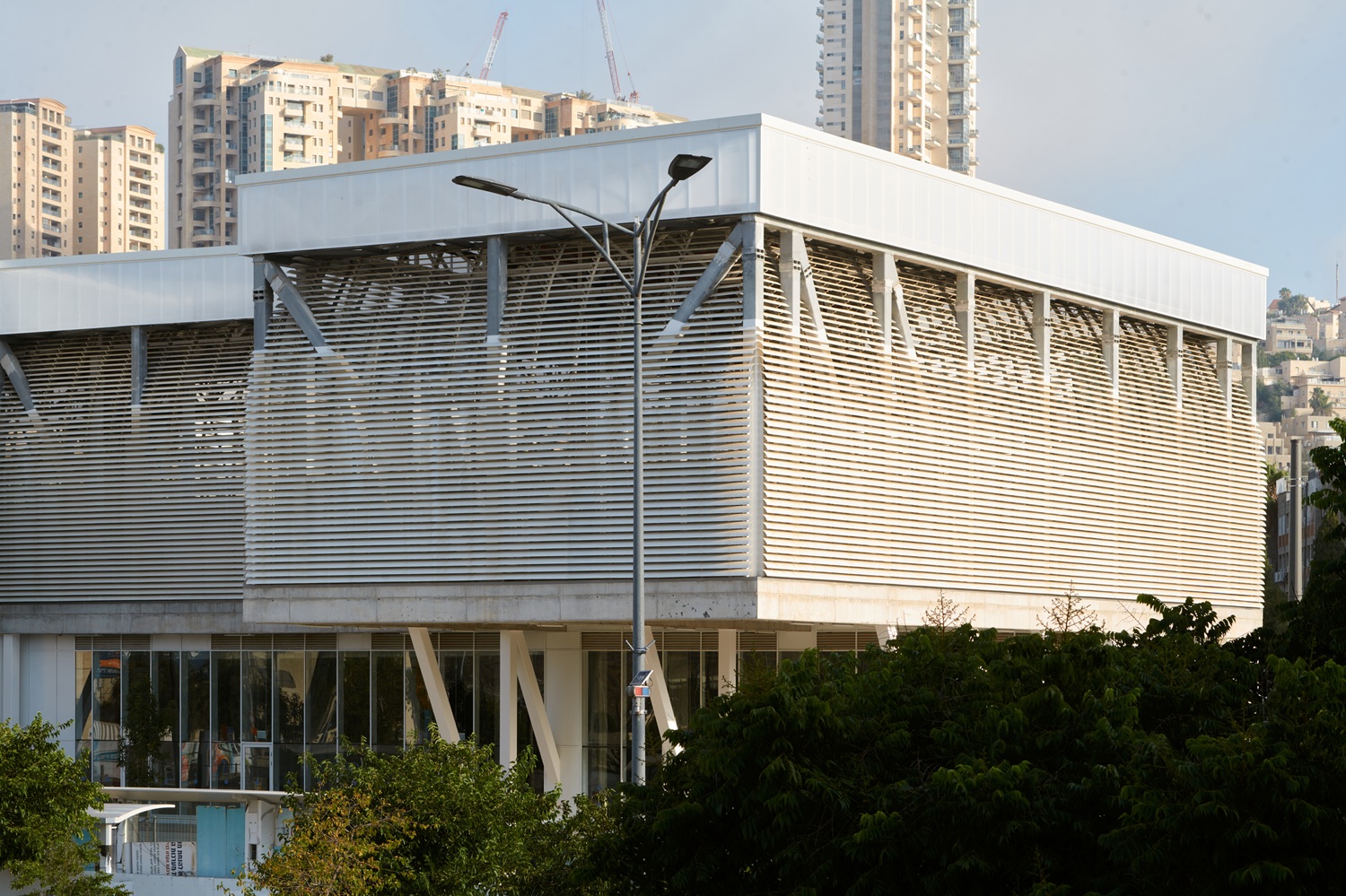
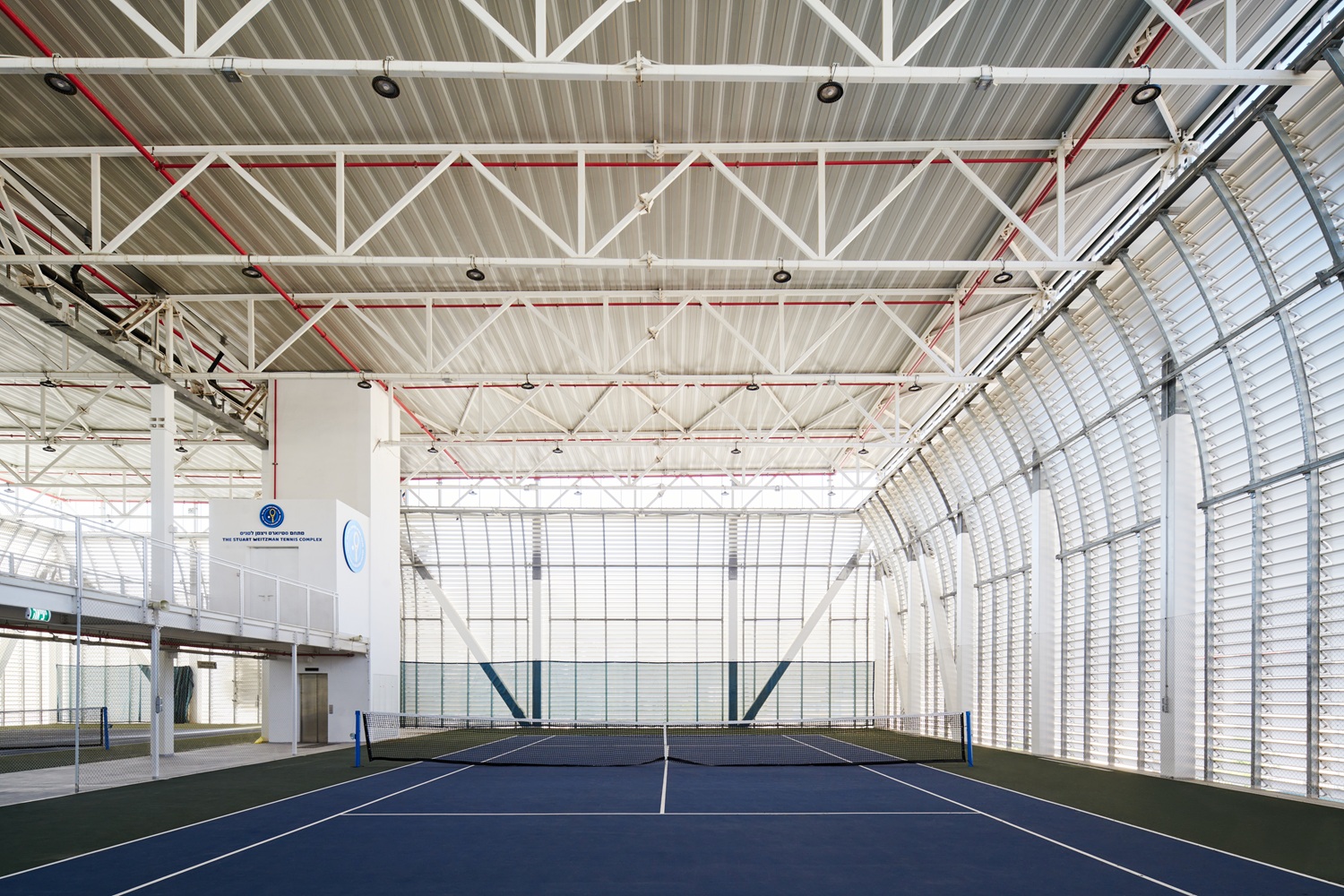
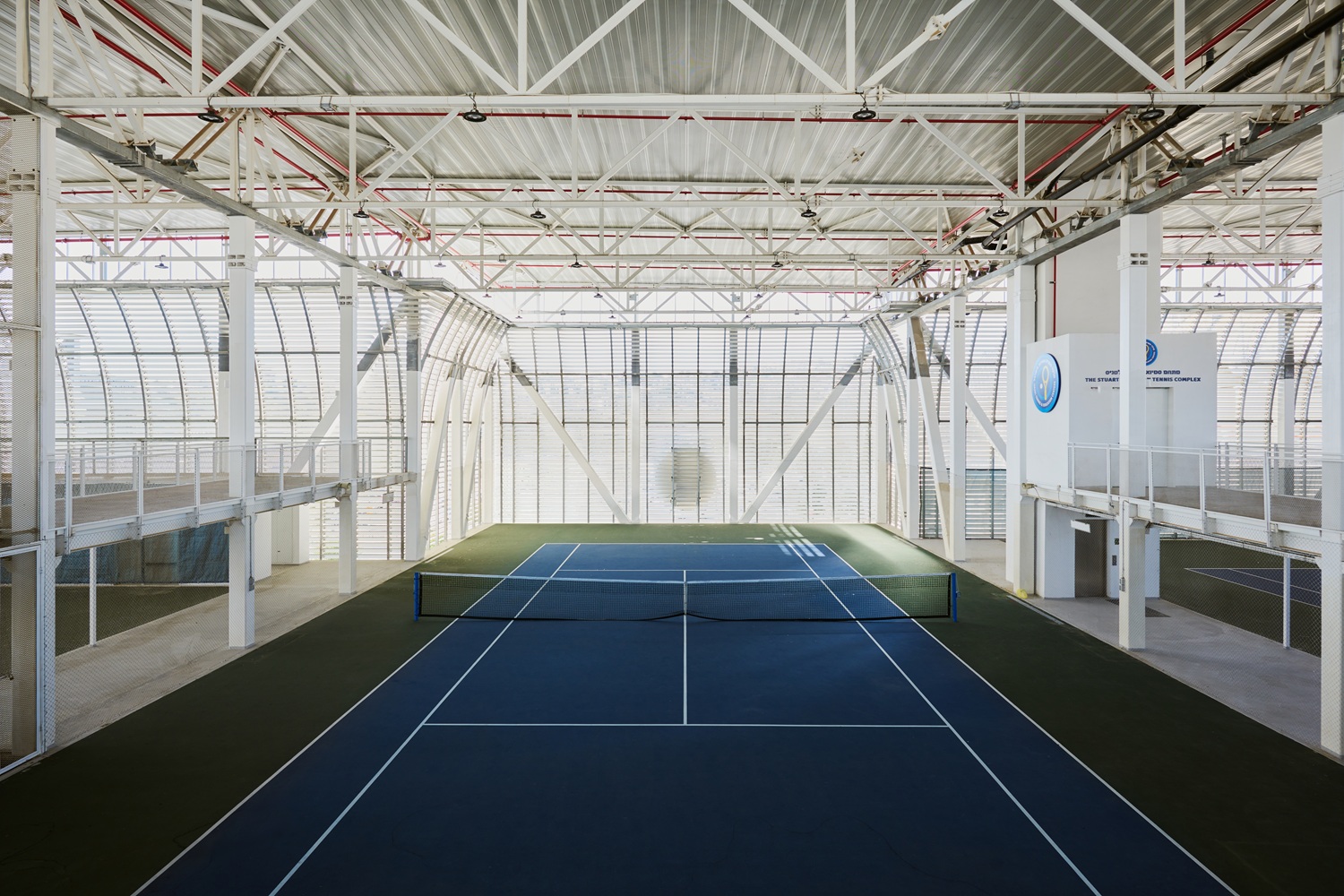
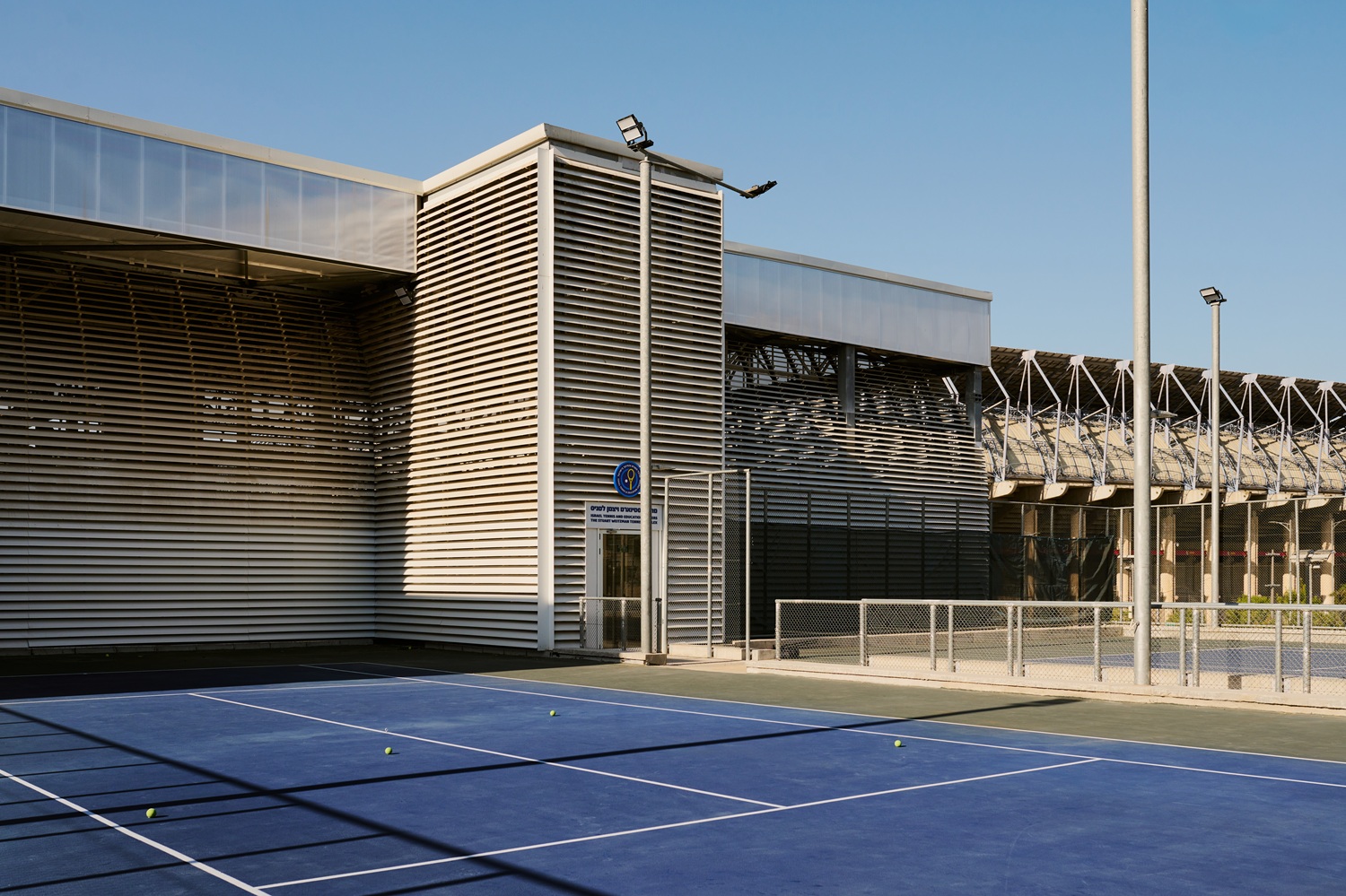
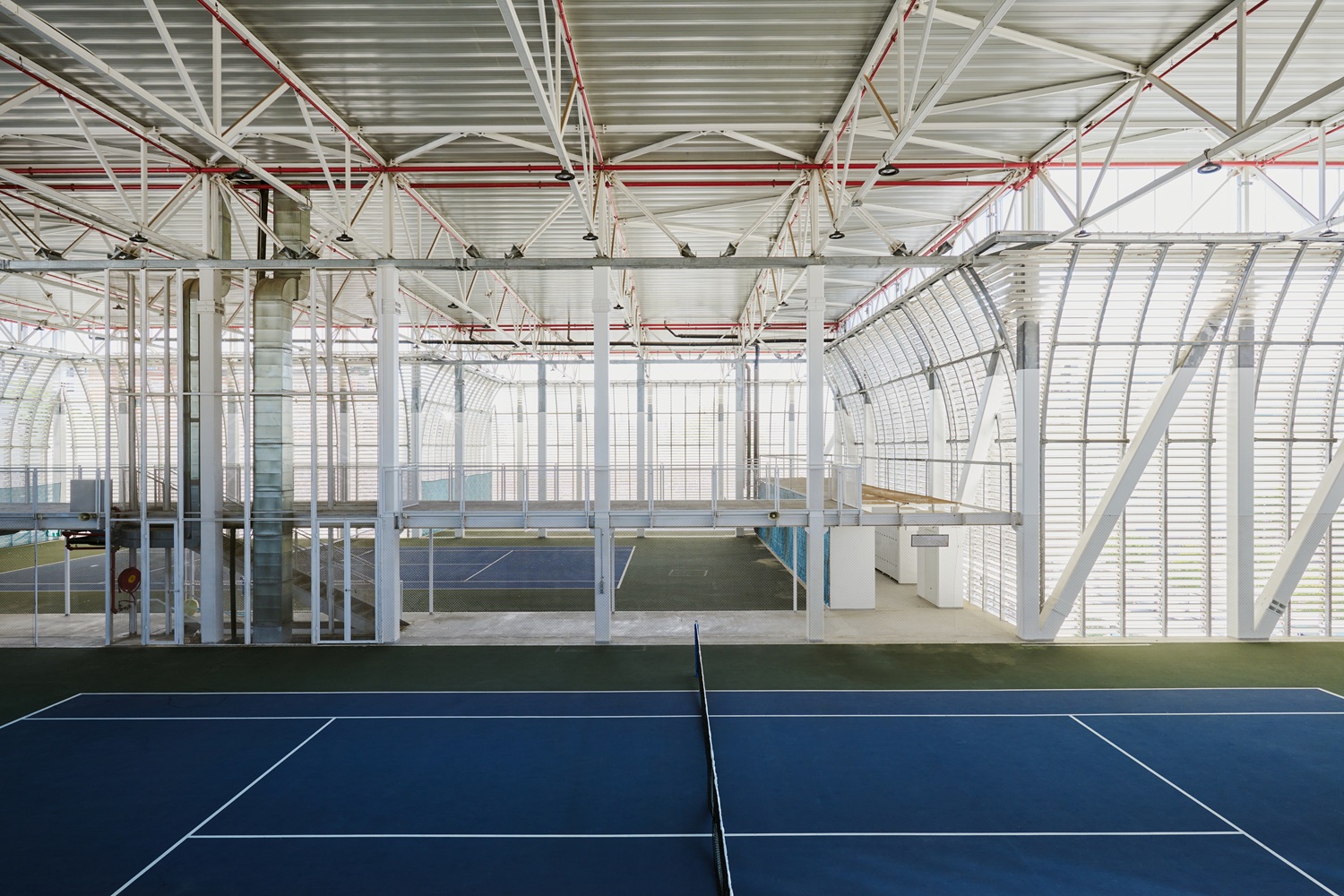
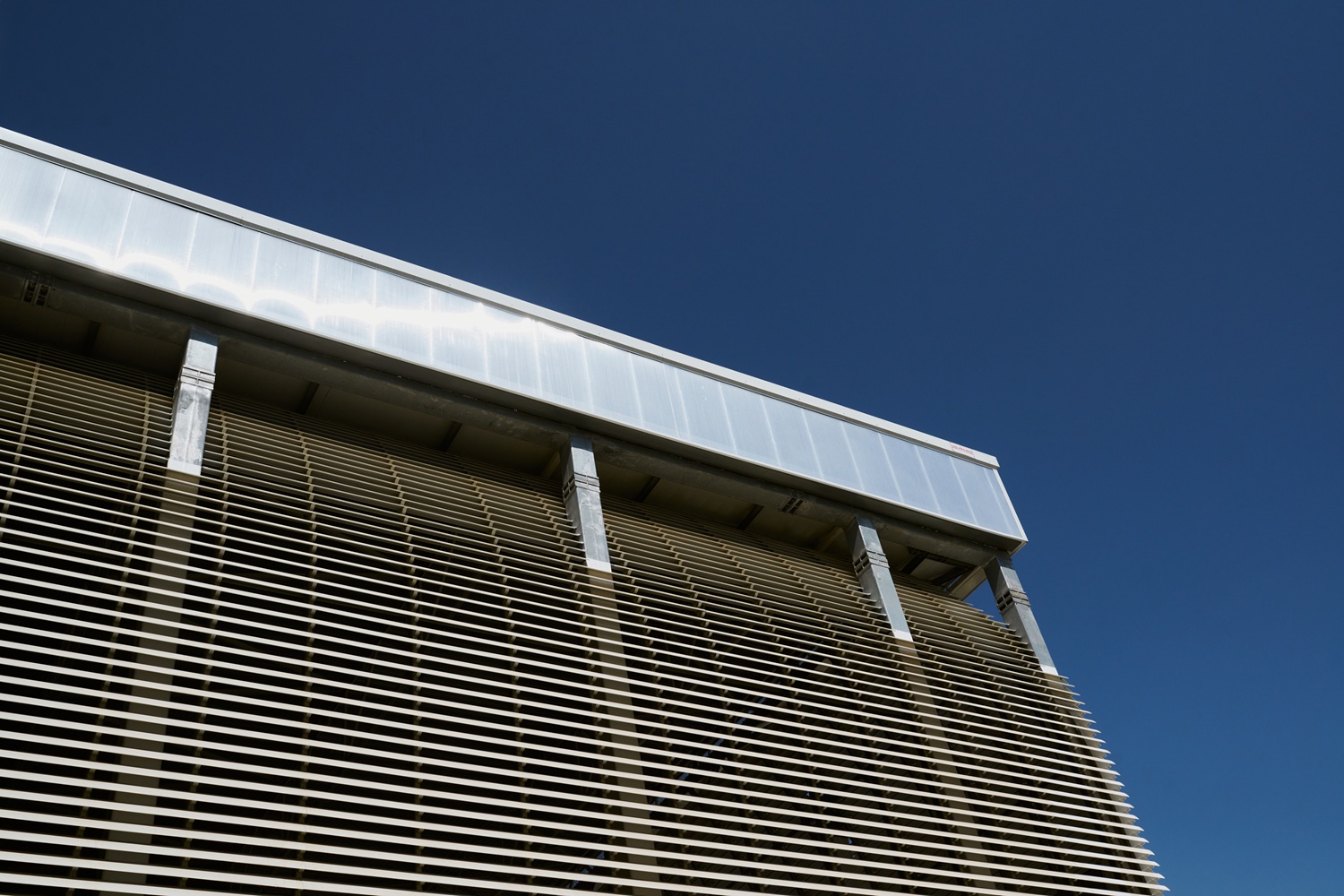
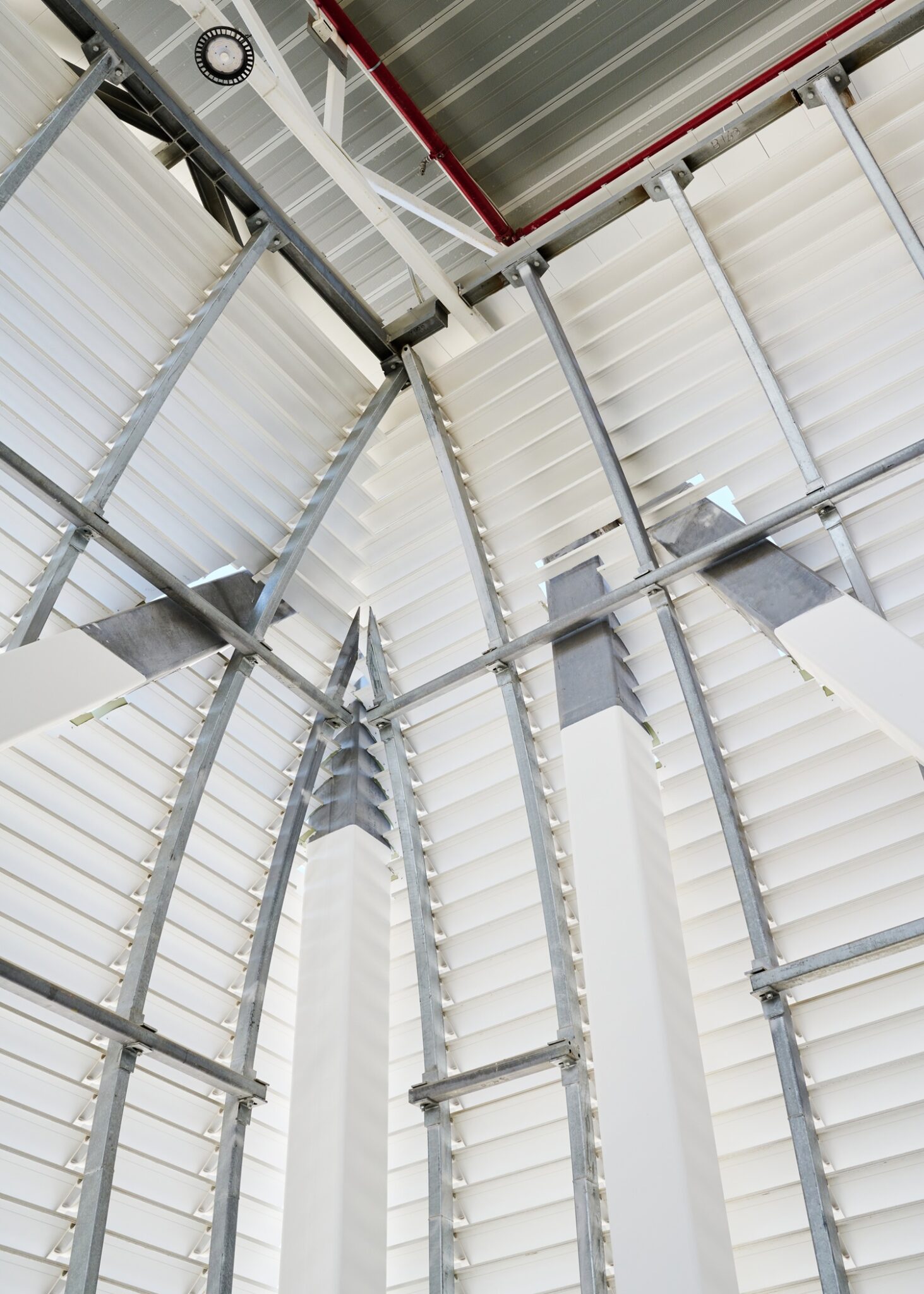
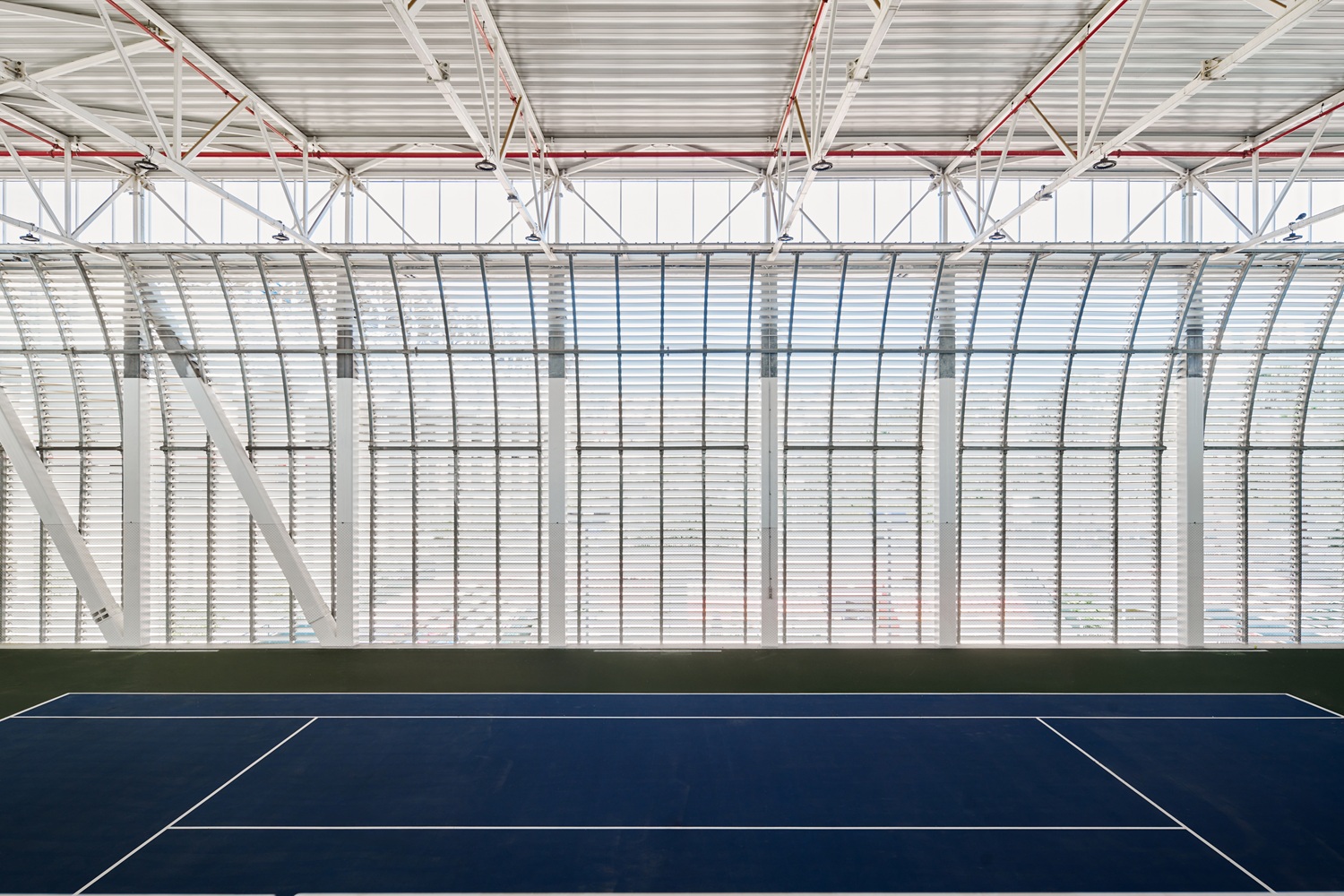
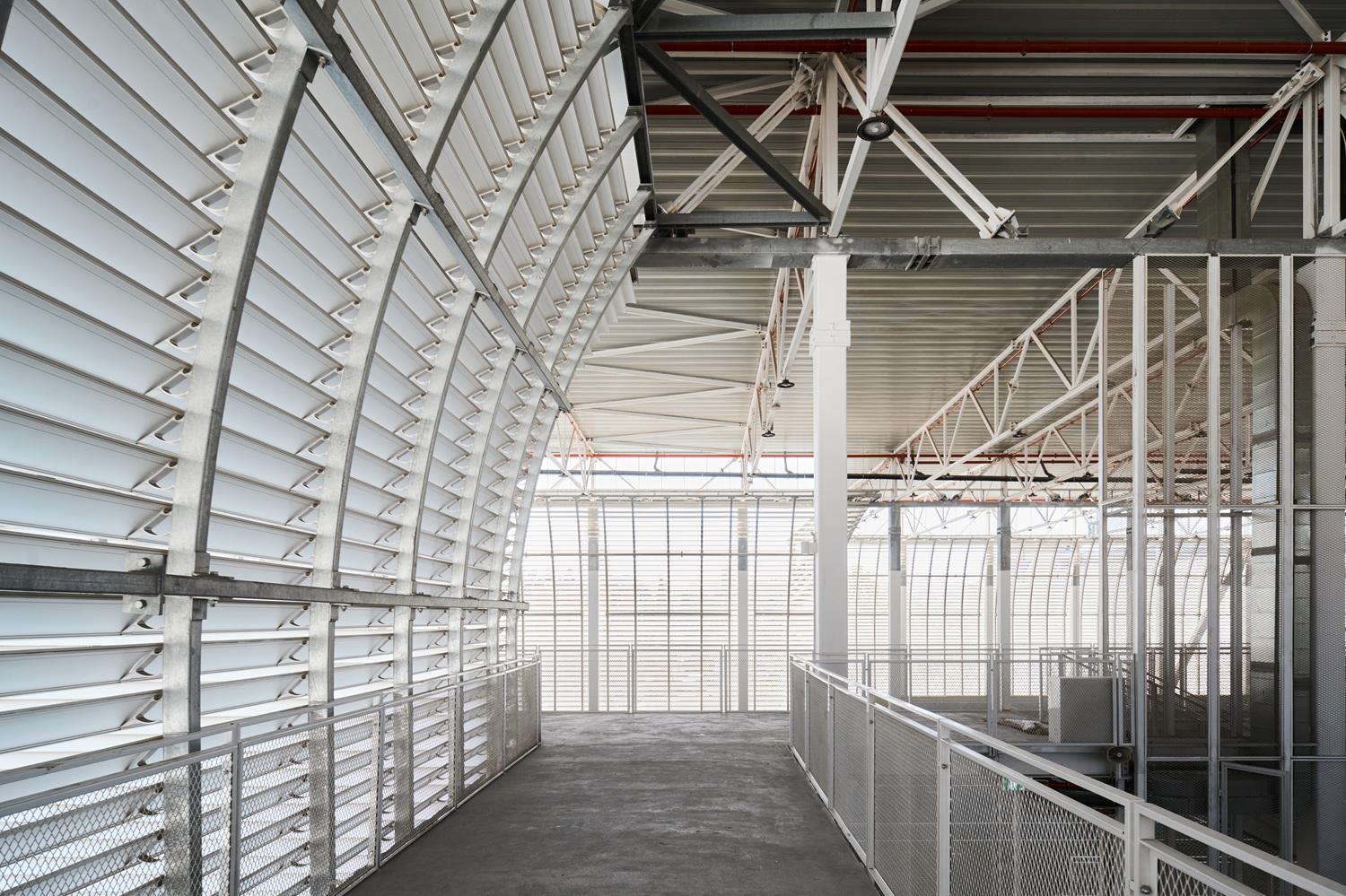
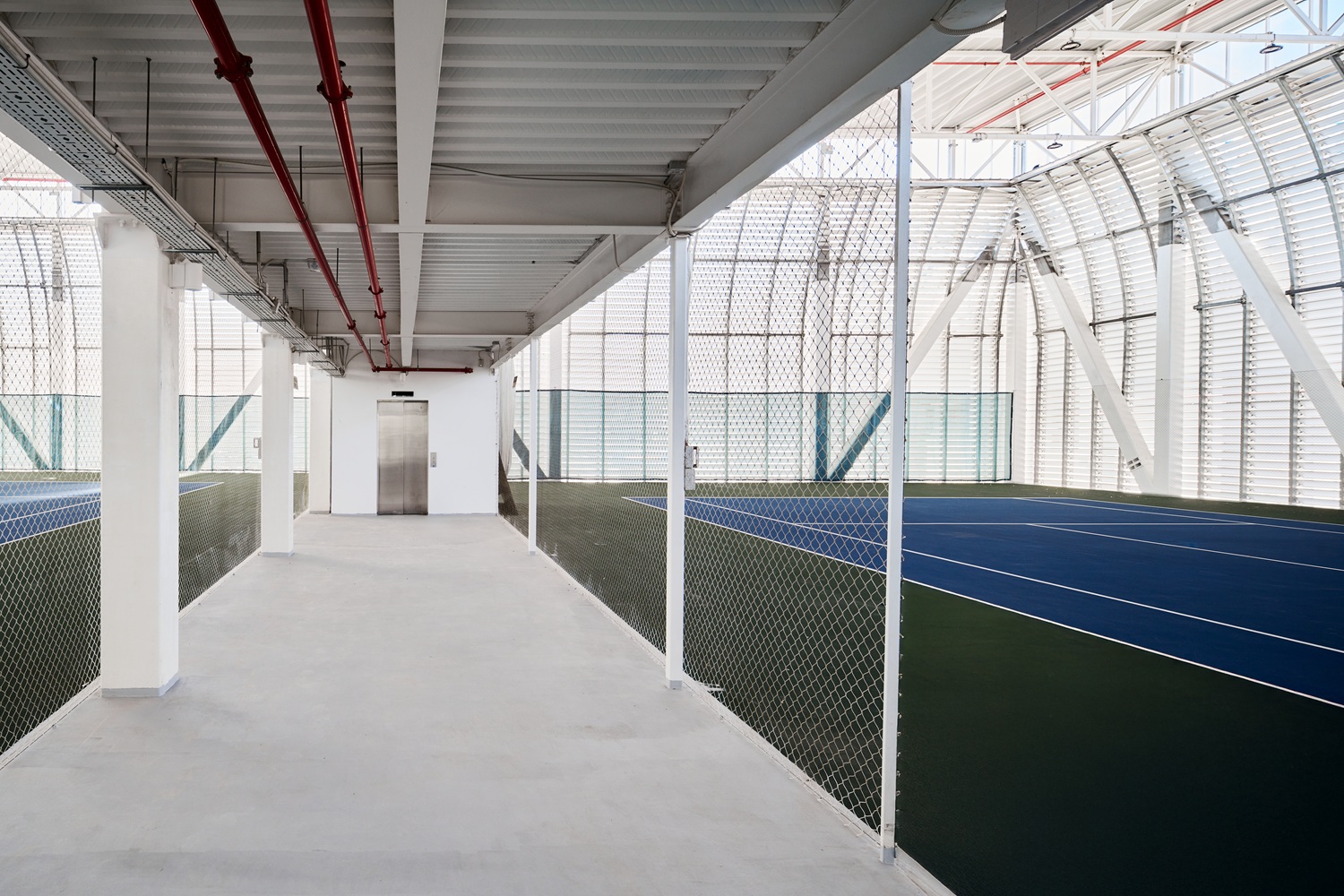
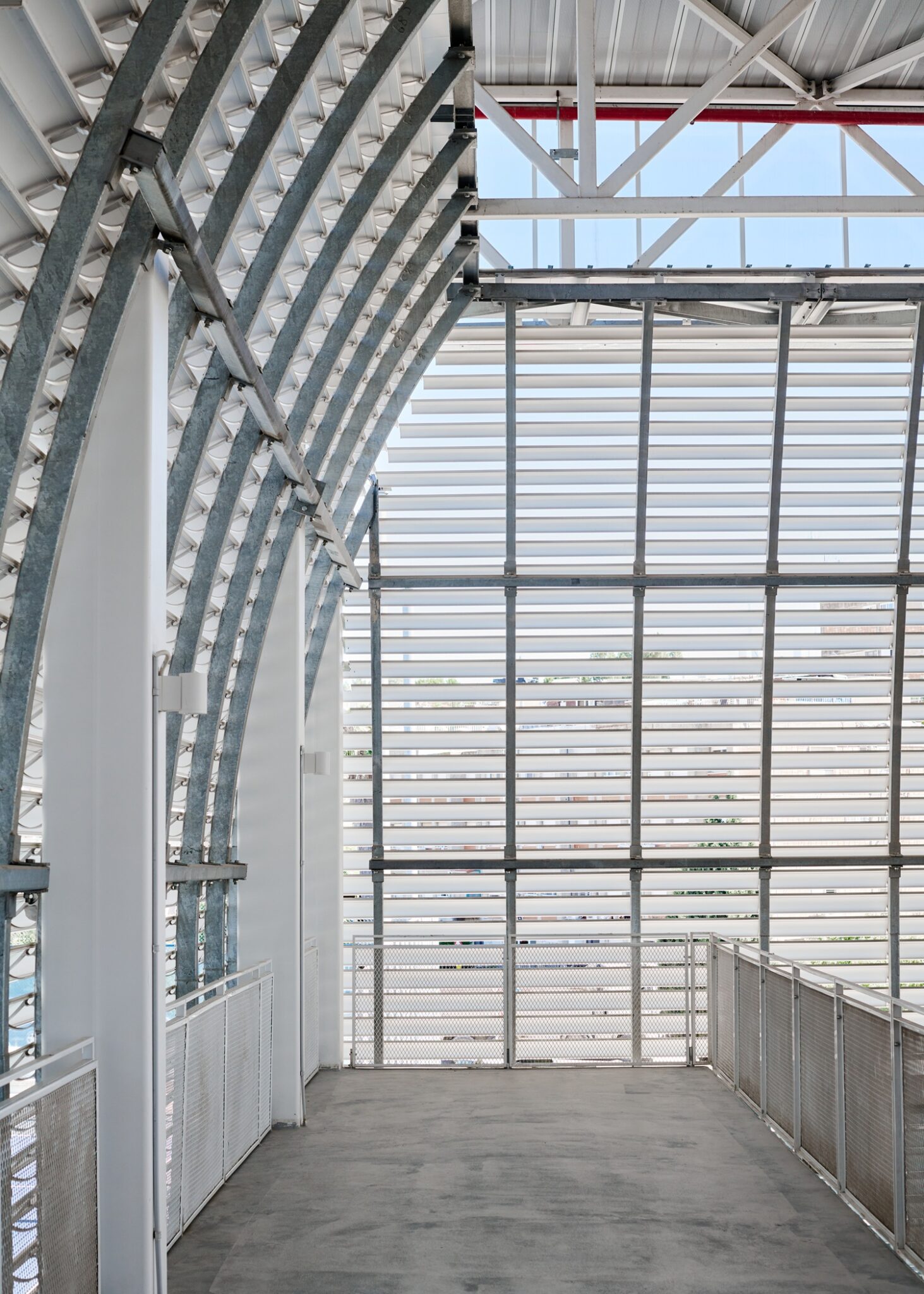
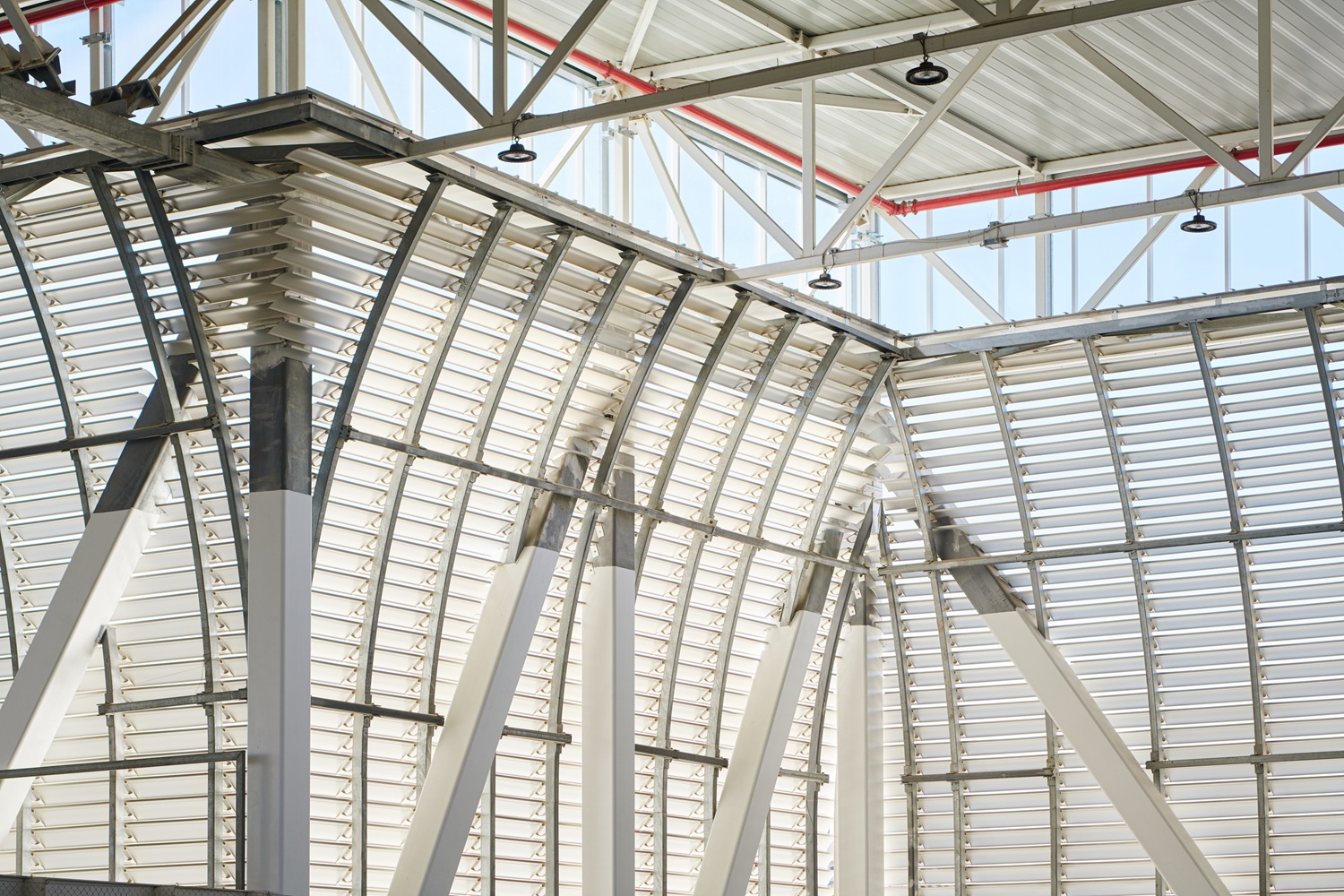
The upper level houses six tennis courts, including four covered ones, the first of their kind in Jerusalem, enabling uninterrupted play, tournaments, and training across all seasons. Spectator galleries above most courts ensure clear visibility and engagement, while a natural ventilation system and a curved façade made of vertical aluminum slats optimize indoor climate conditions by allowing airflow, sunlight, and shading, providing protection from rain and creating a comfortable environment for athletes and spectators. Enhanced indoor–outdoor connectivity is achieved through the breathing and visually porous façade, ensuring the center functions year-round while inviting the city in.
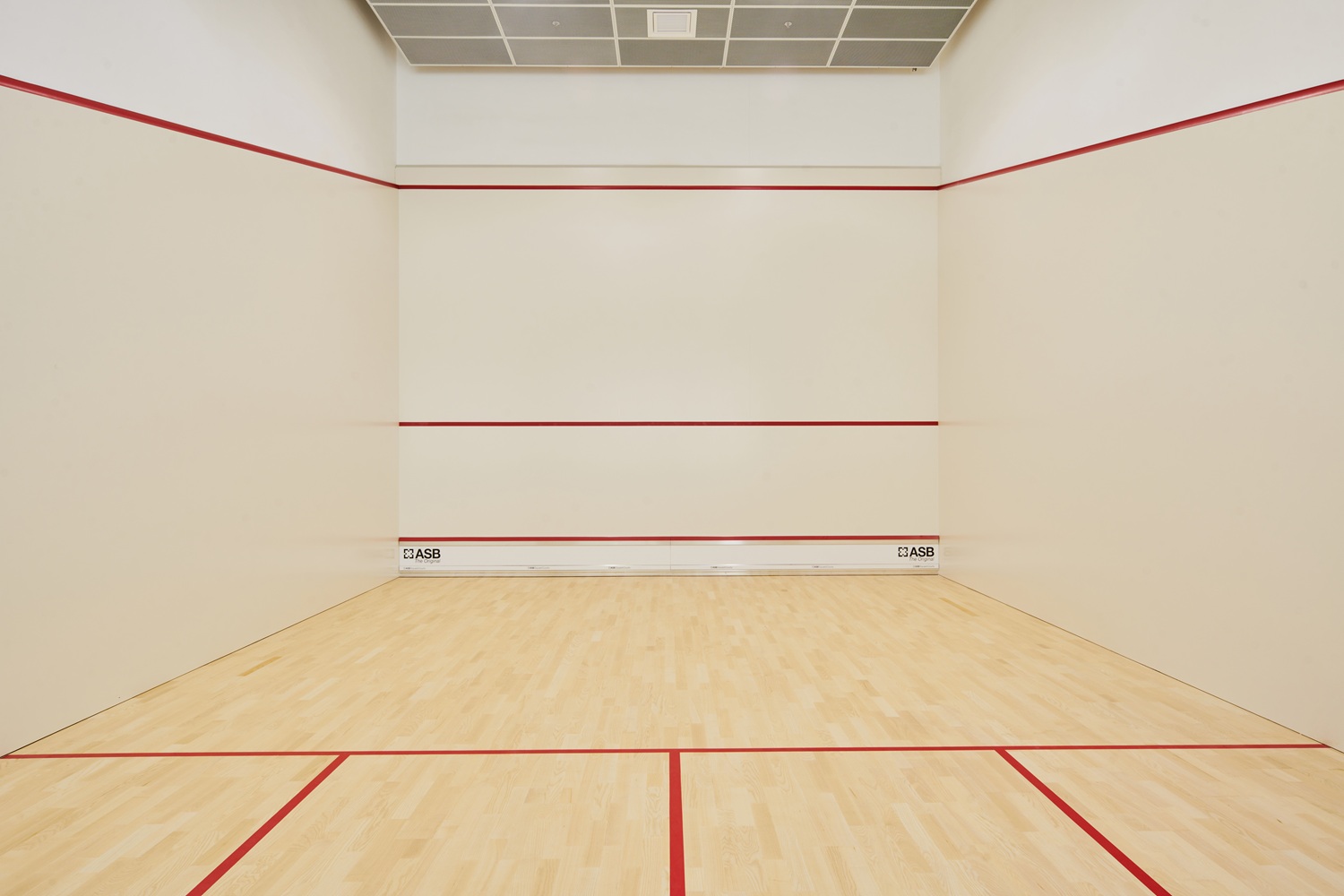
The ground floor, covering 3,400 m², is dedicated to sports and provides spaces such as a Gym, four Squash courts, Judo facilities, and sports accommodation. It also houses a wide range of supporting amenities, including sports clinics and multi-purpose spaces for athletes, creating a holistic recreational environment suitable for both training and community interaction.
As part of a broader urban vision, the site has been opened to the public, removing barriers and reintegrating the facility into its surroundings. The complex faces a future Light Rail station and incorporates street-level retail spaces, activating the public realm and ensuring seamless accessibility. Integrated commercial and community sports activities at the lower level in front of the Light Rail station encourage urban life while financially supporting the Tennis and Sports Complex. The design reimagines the relationship between sport, architecture, and public space, emphasizing connectivity, inclusivity, and sustainability, and combining high-performance sports infrastructure with public engagement to create a multifunctional hub that aims to attract tens of thousands of visitors annually and establish the Stuart Weitzman Tennis Complex as a new urban destination in Jerusalem.