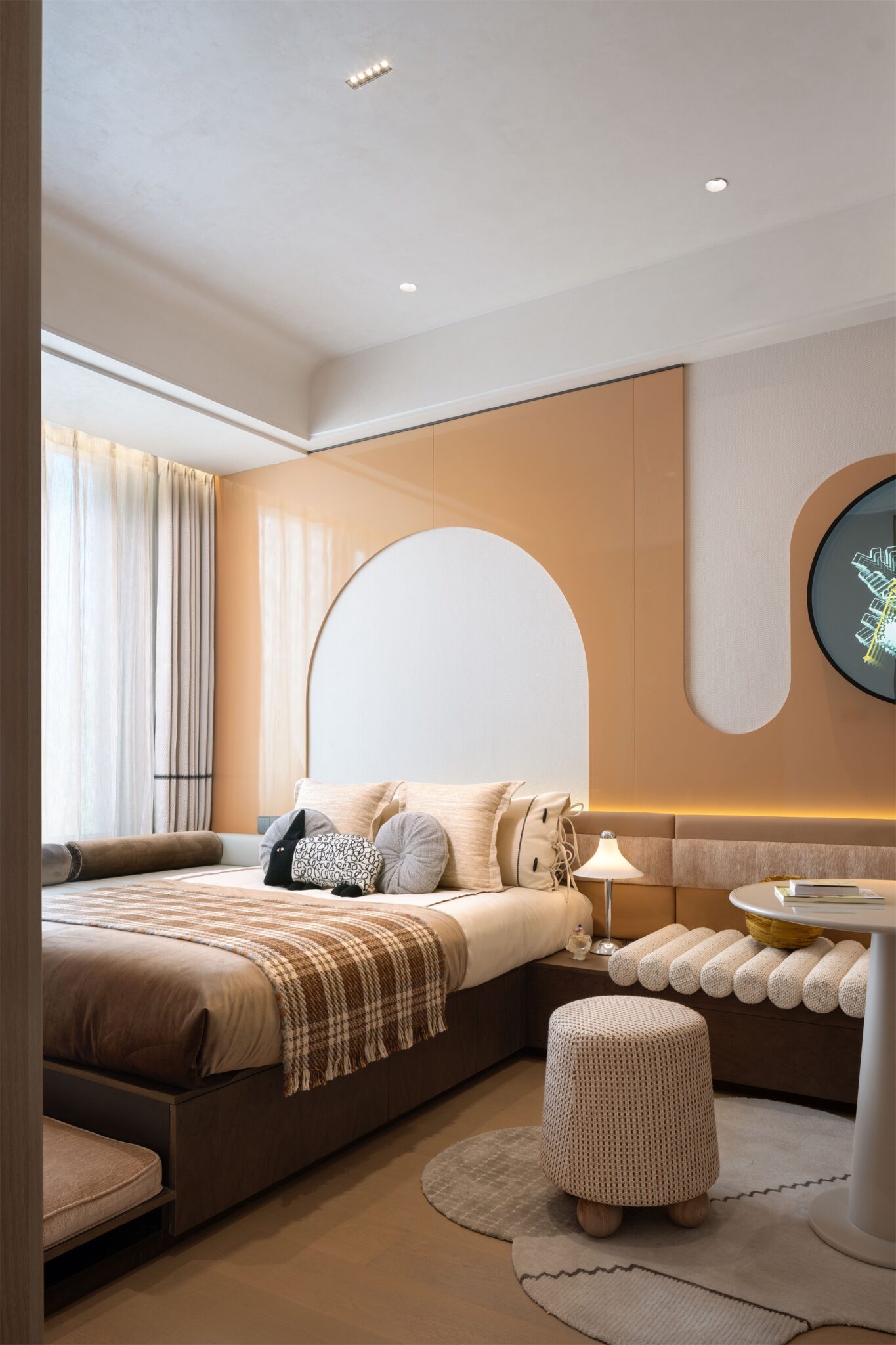
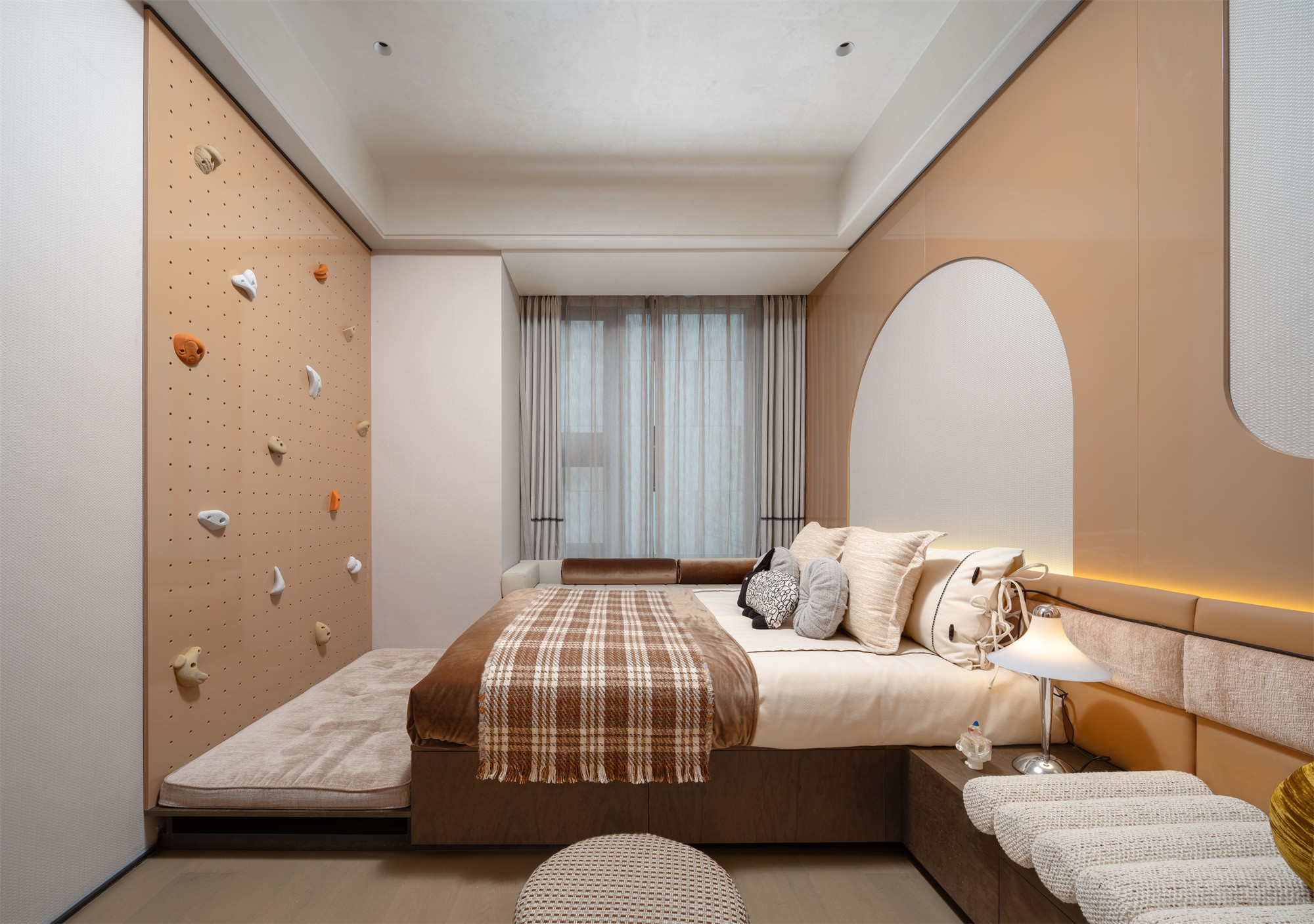
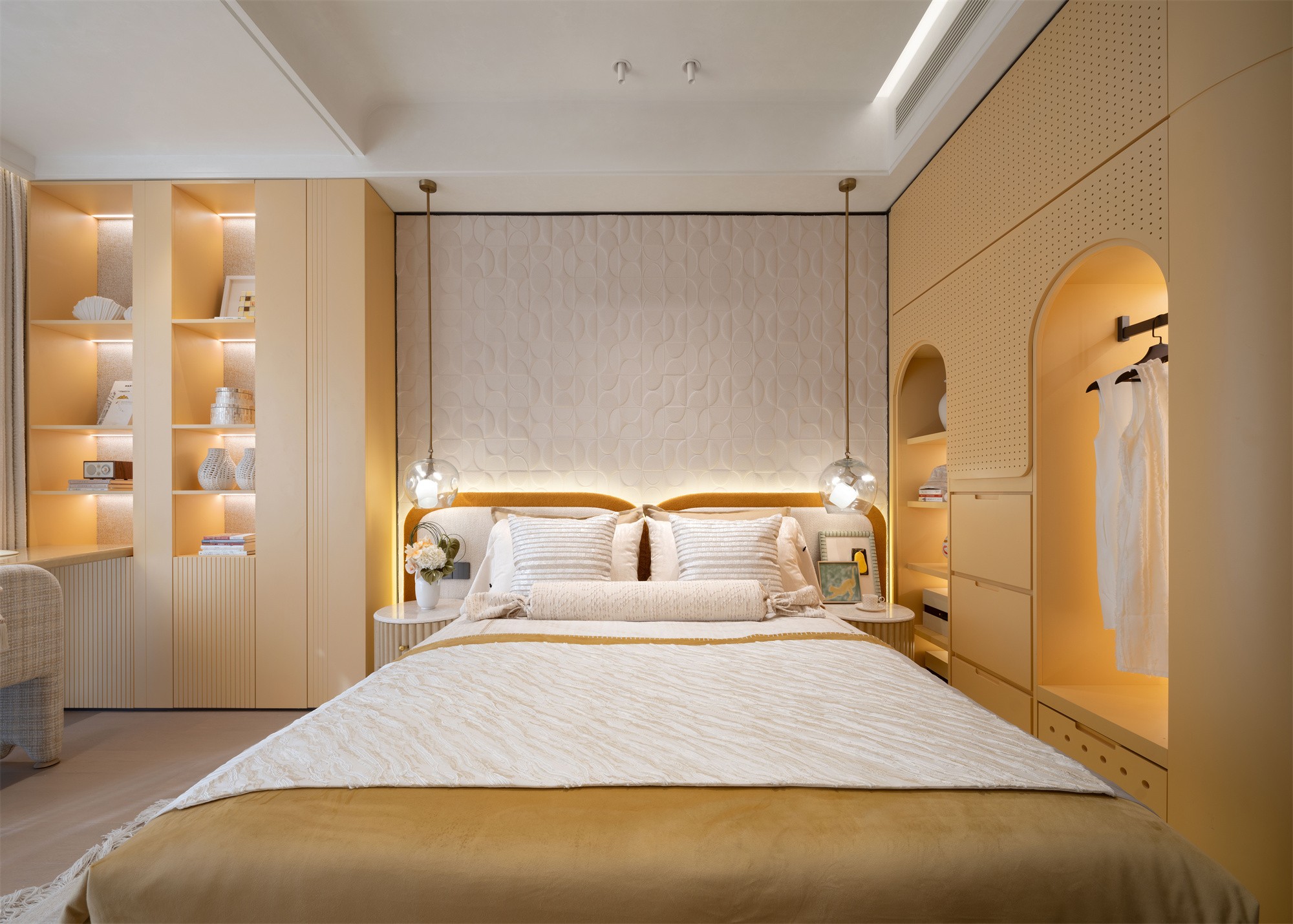
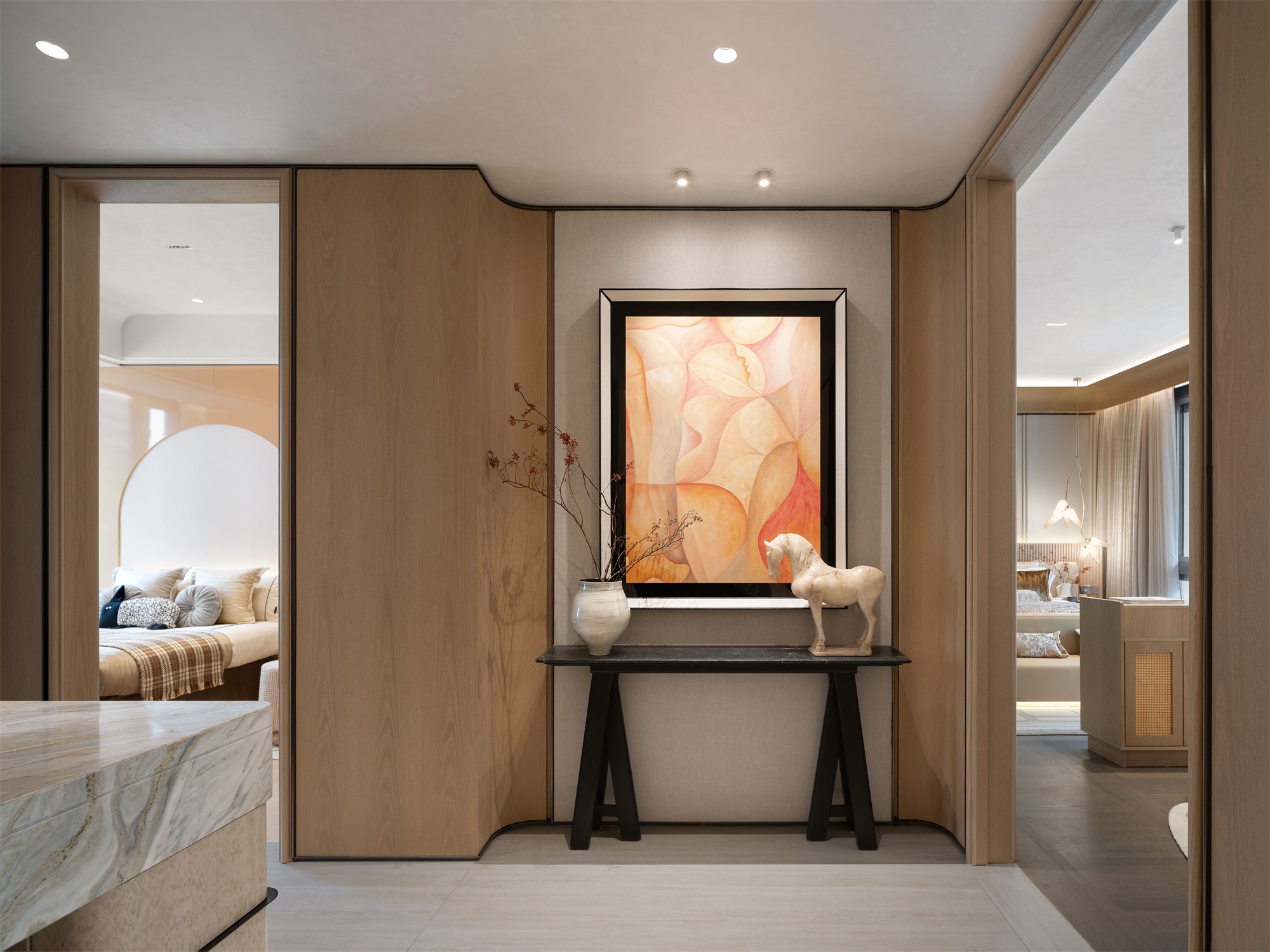
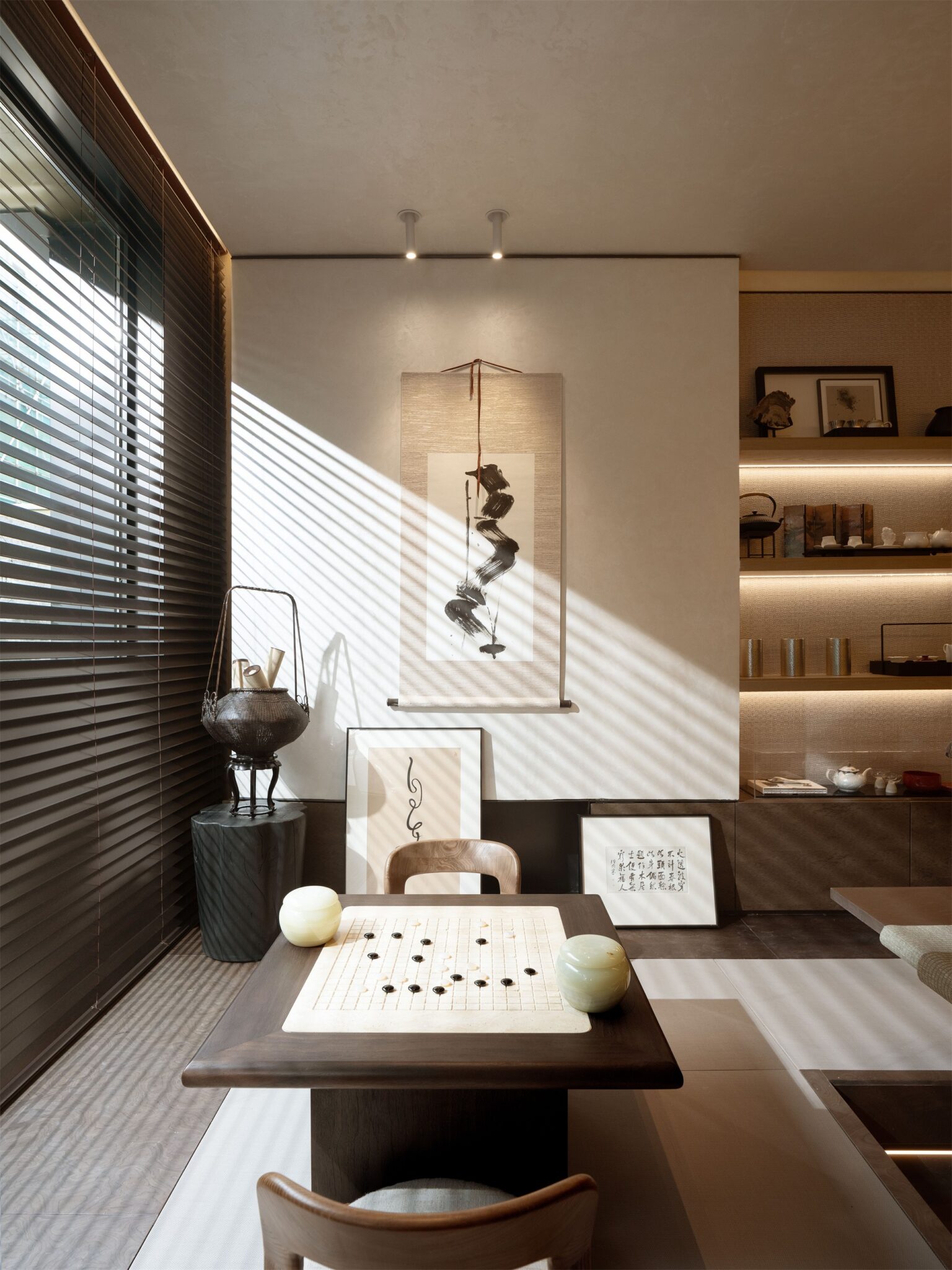
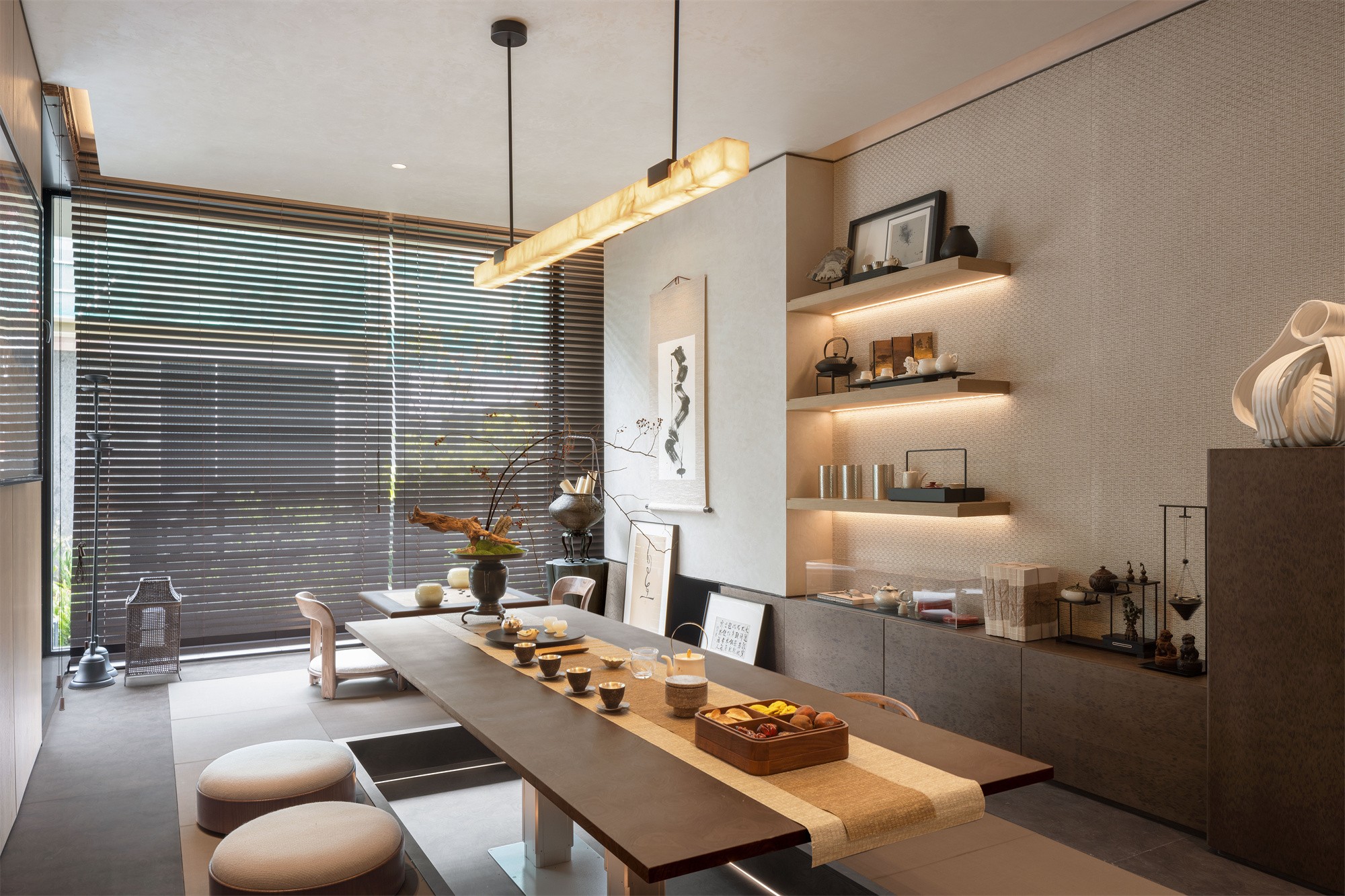
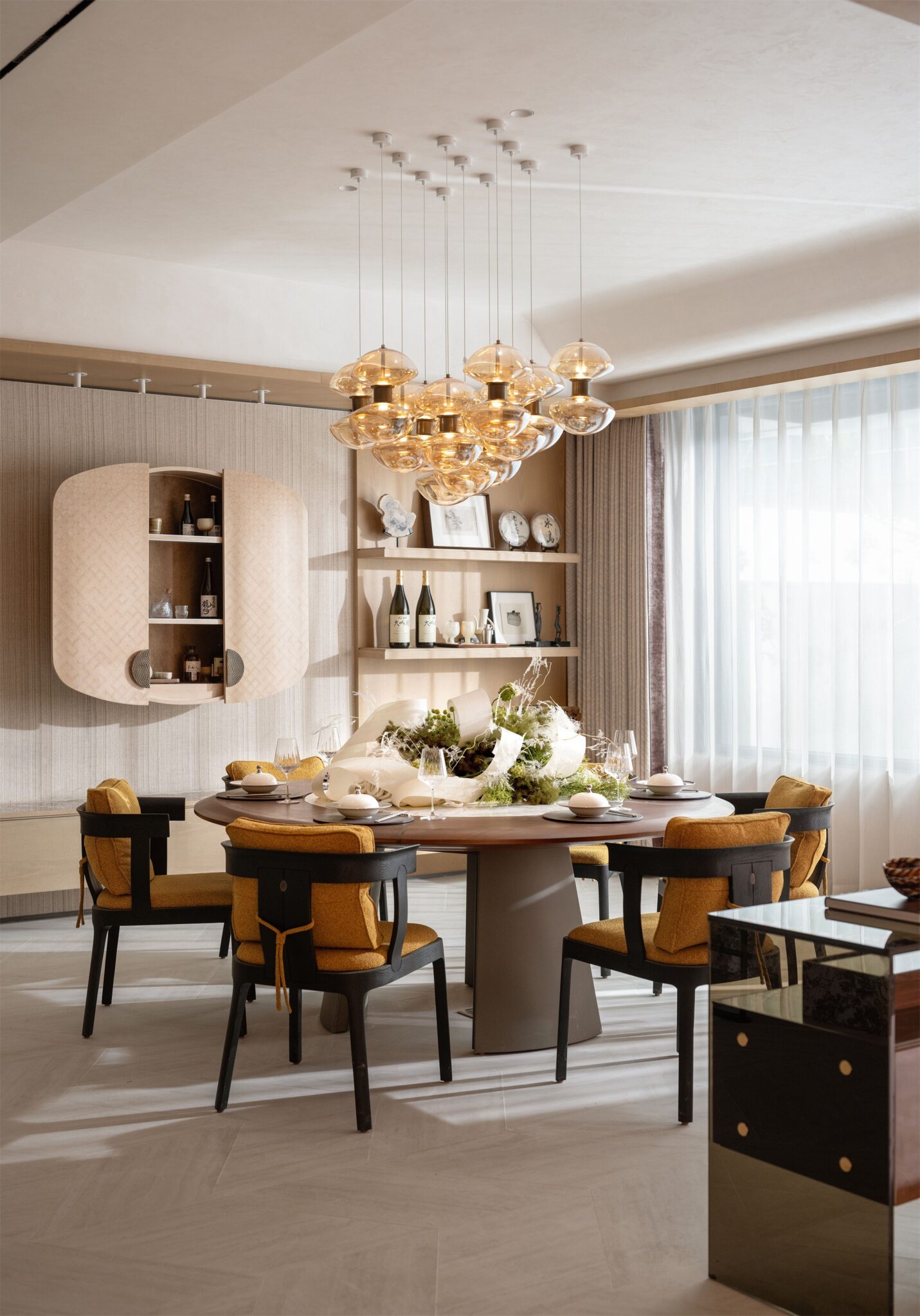
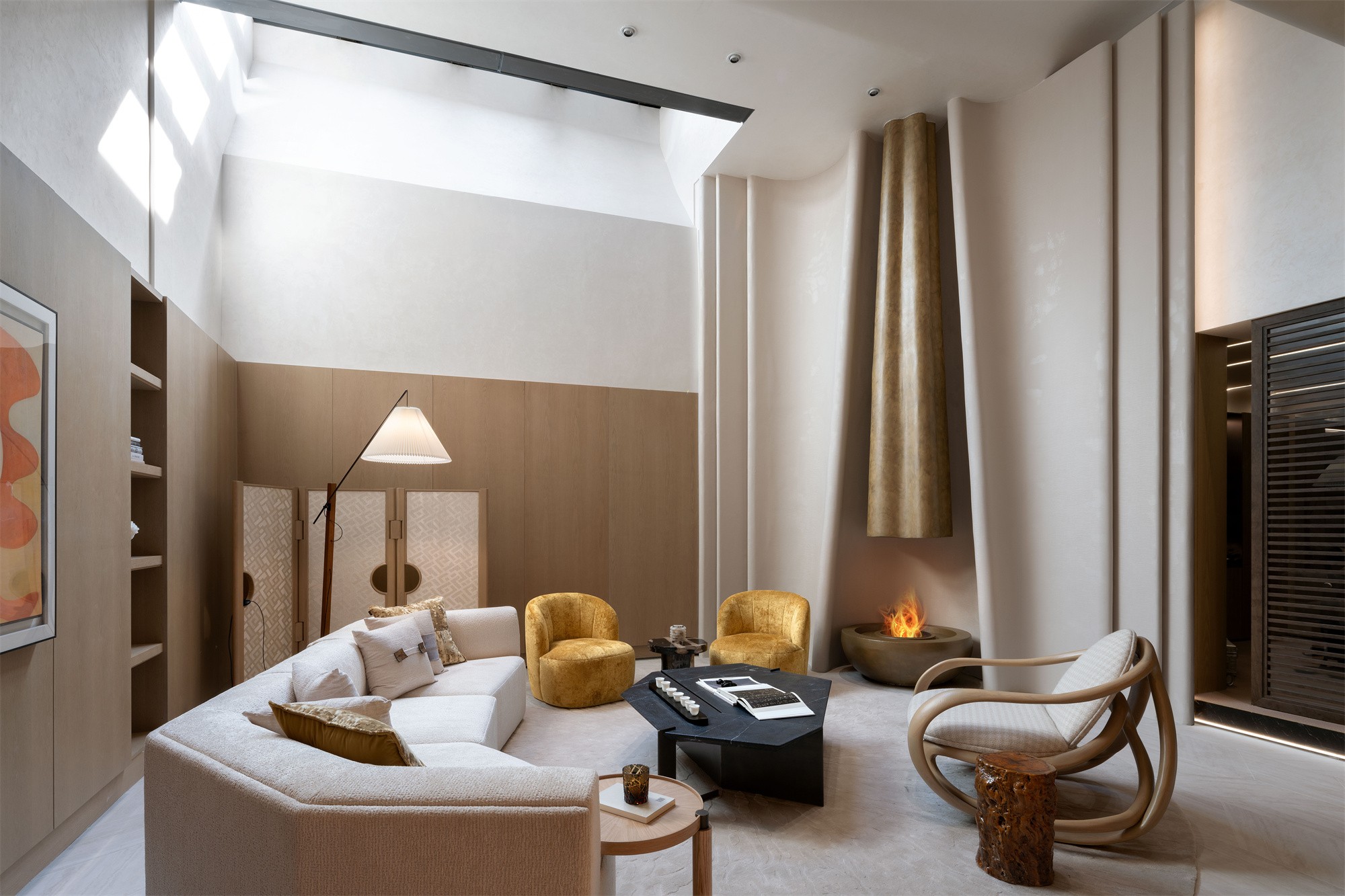
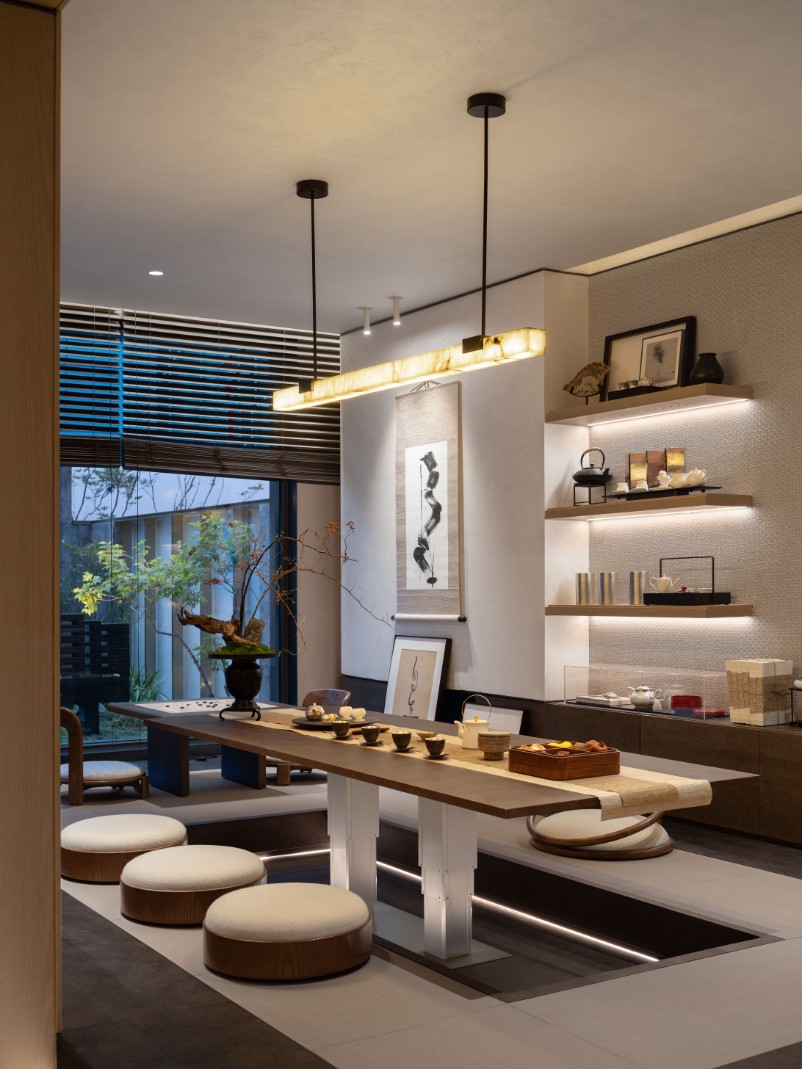
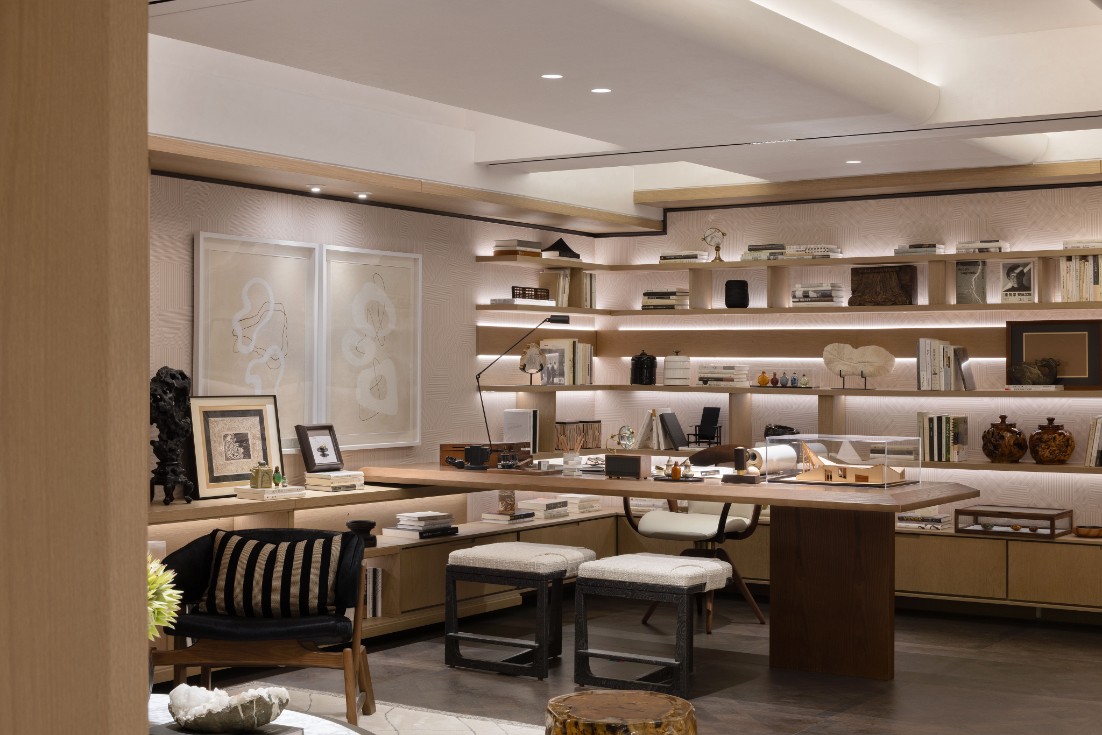
In Nanjing, where symbolic consumption is gradually diminishing, genuine value is found in a steadfast commitment to the essence of life. The current generation of luxury residence dwellers is no longer characterized by extravagance or pretentiousness. They possess discernment, refined taste, and an internalized lifestyle. Rather than pursuing ostentatious spaces, they seek a “spiritual sanctuary” capable of embodying individuality, stimulating the senses, and expressing a personal philosophy of life.
The restrained visual presentation, enriched tactile experience, and deliberate absence of strong olfactory and auditory stimuli all reflect this evolving lifestyle.
Embedding refinement and tranquility within urban dynamism
Within the highly developed urban fabric, there is a renewed pursuit of relaxation and a space for spiritual respite. It is the aspiration that Zhuoyue Jiuyin will establish a spatial logic that harmonizes the city’s refined order with an inner sense of calm rhythm.
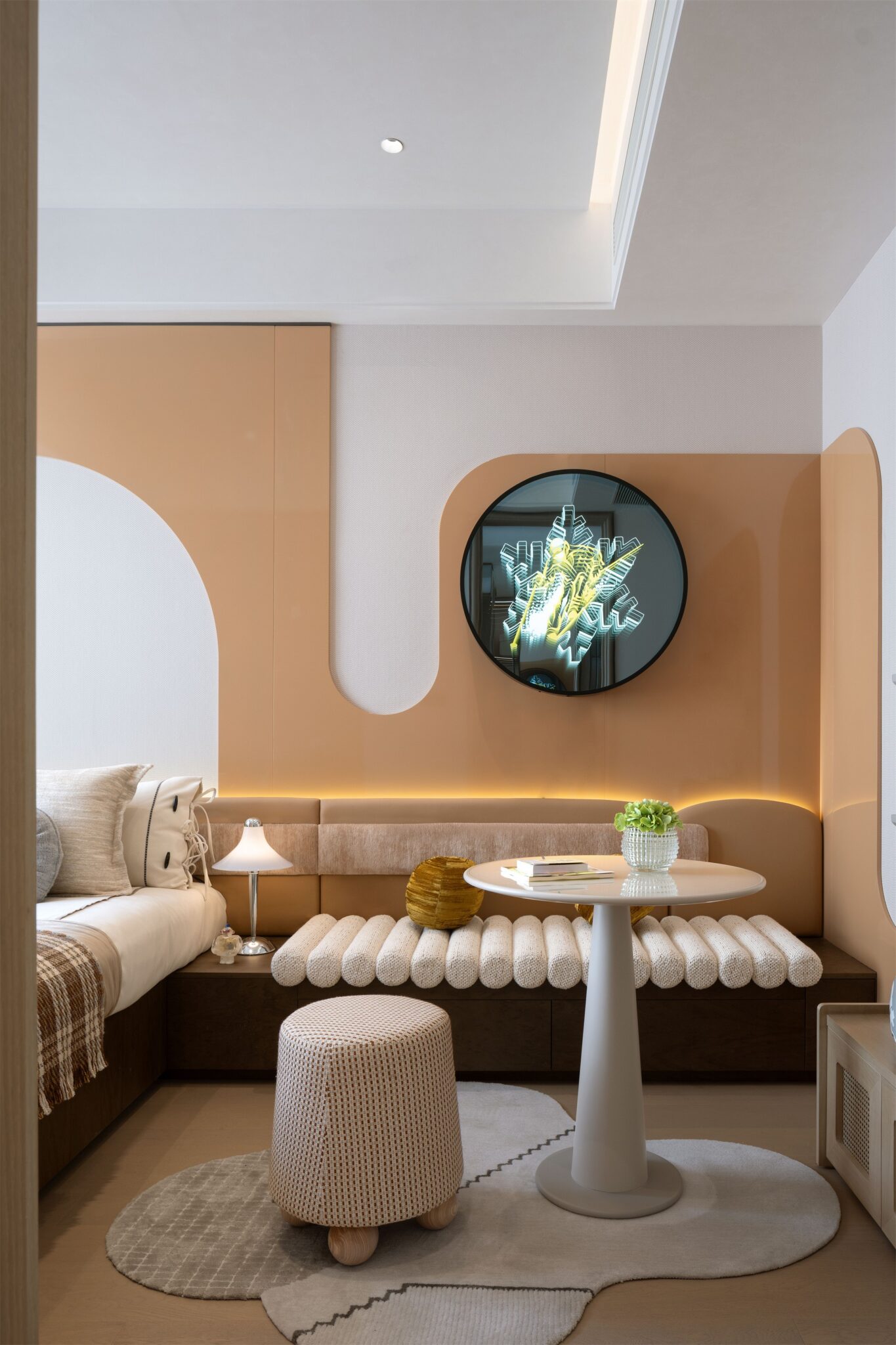
By reimagining life scenarios and spatial configurations, a dual-layered life narrative is constructed across vertical dimensions. The two-story layout embodies a dual rhythm of living: the ground floor fosters daily serenity, while the lower mezzanine offers an atmosphere conducive to gathering and exploration. Through thoughtful design, diversity and rhythm are infused into the space, ensuring each area is meticulously crafted.
A warm and gentle domestic ambiance
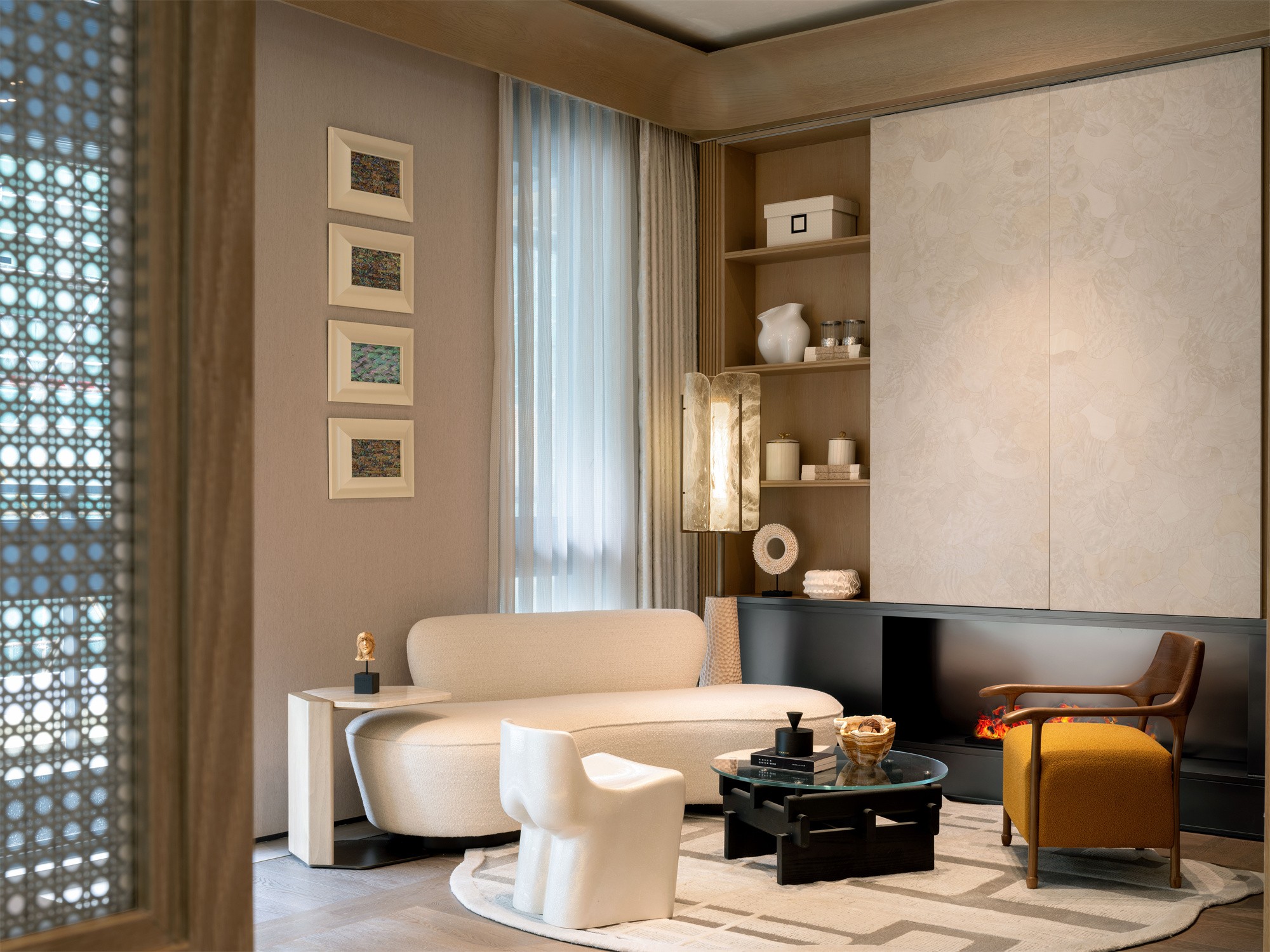
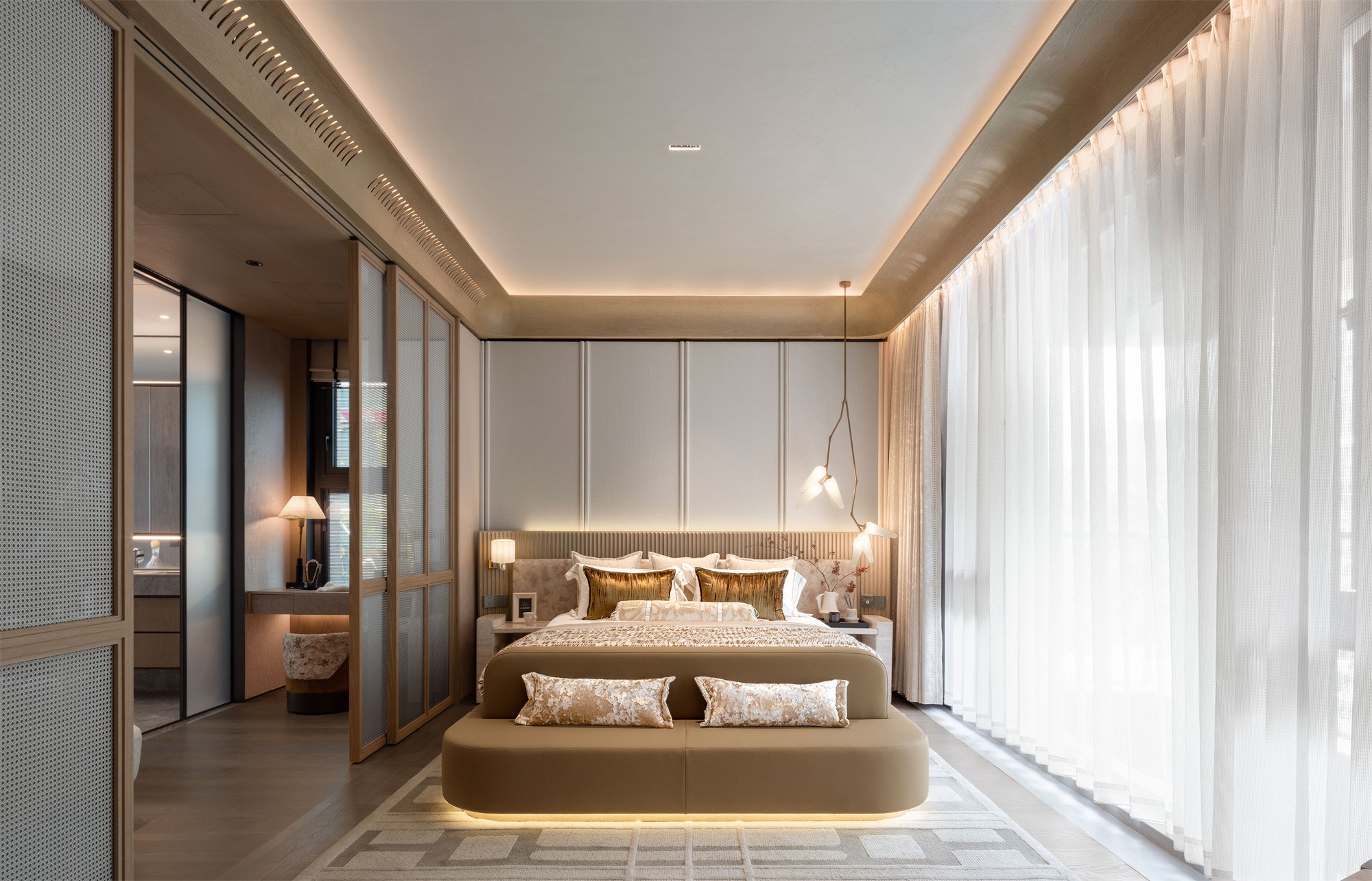
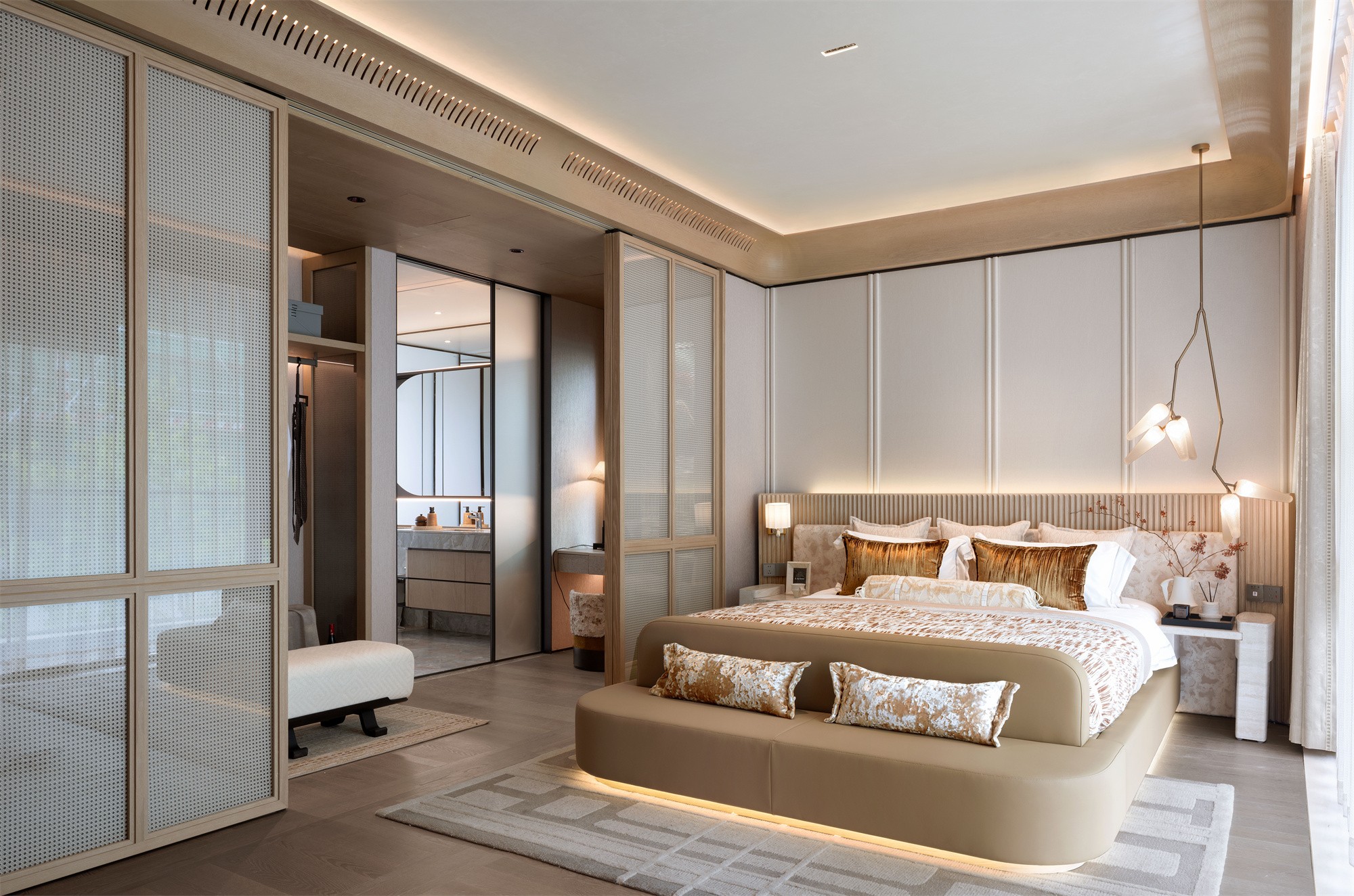
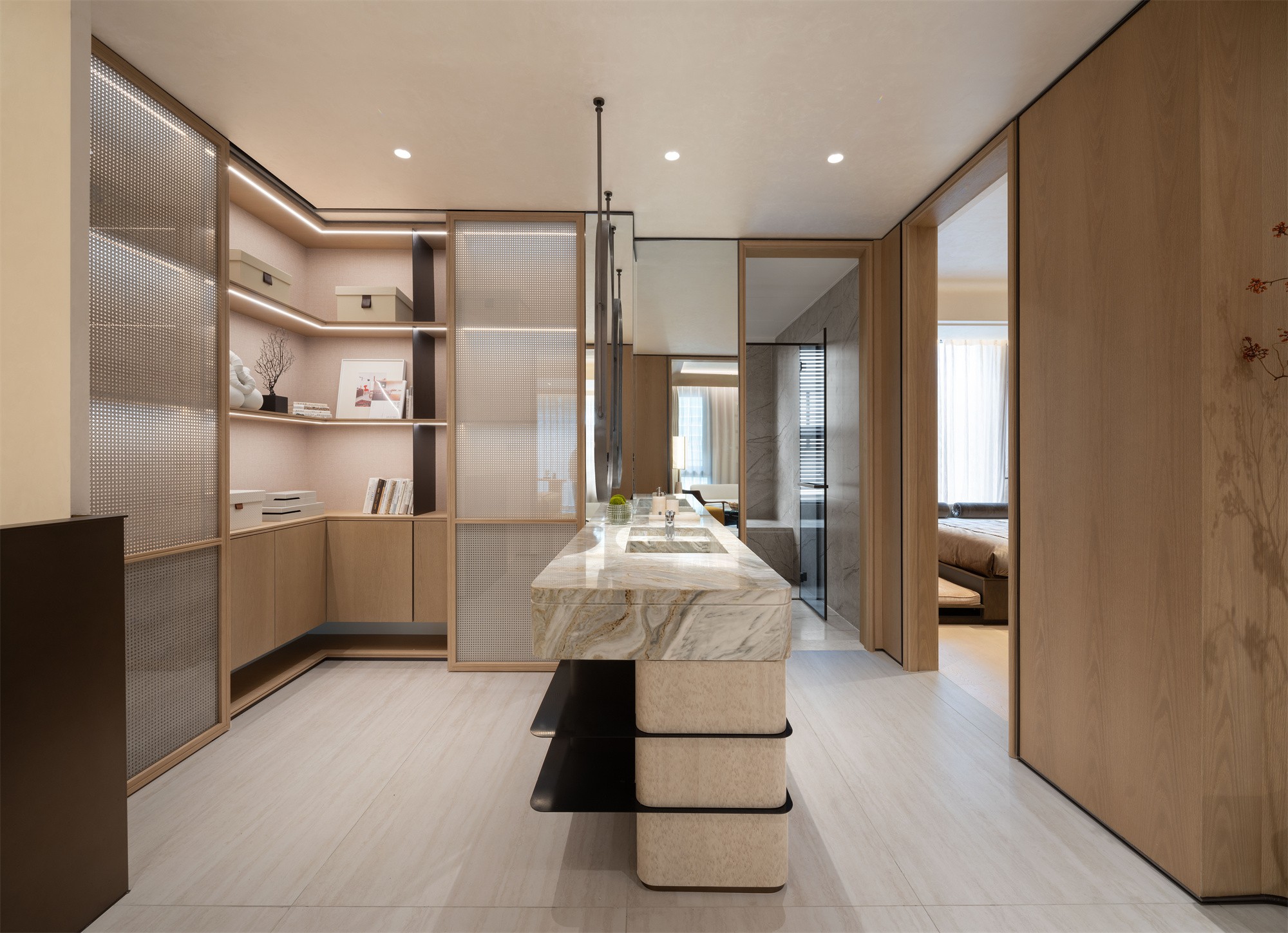
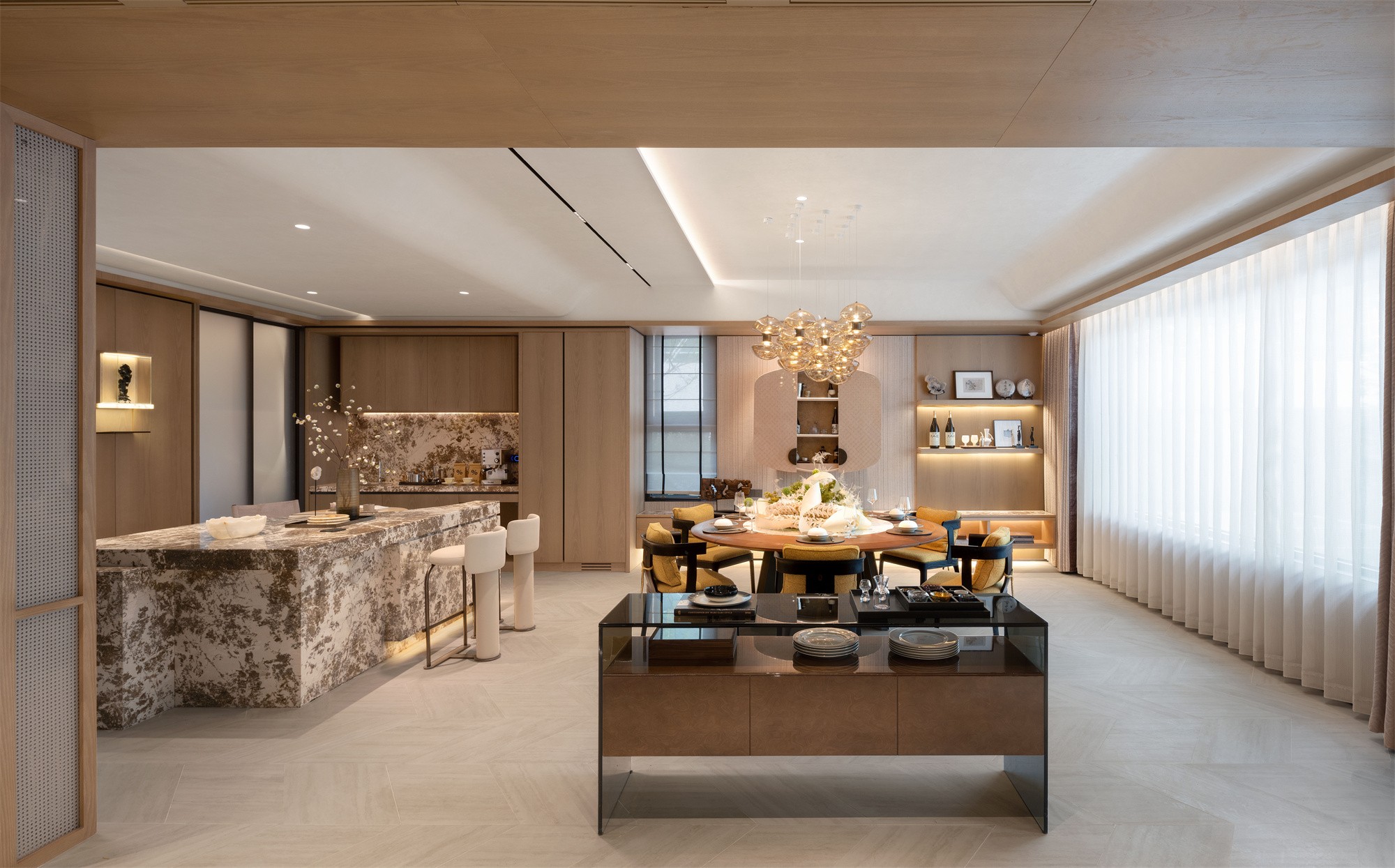
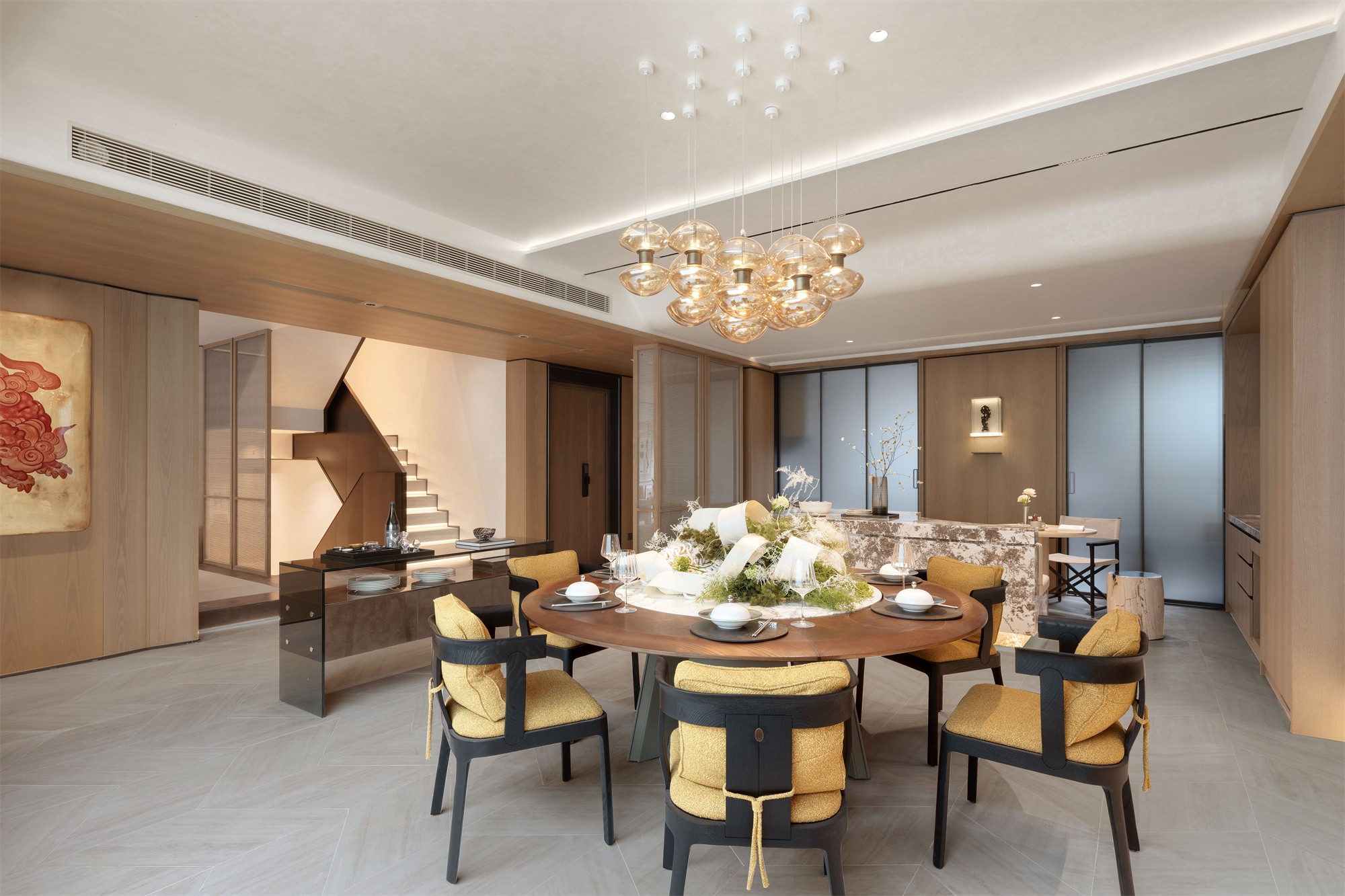
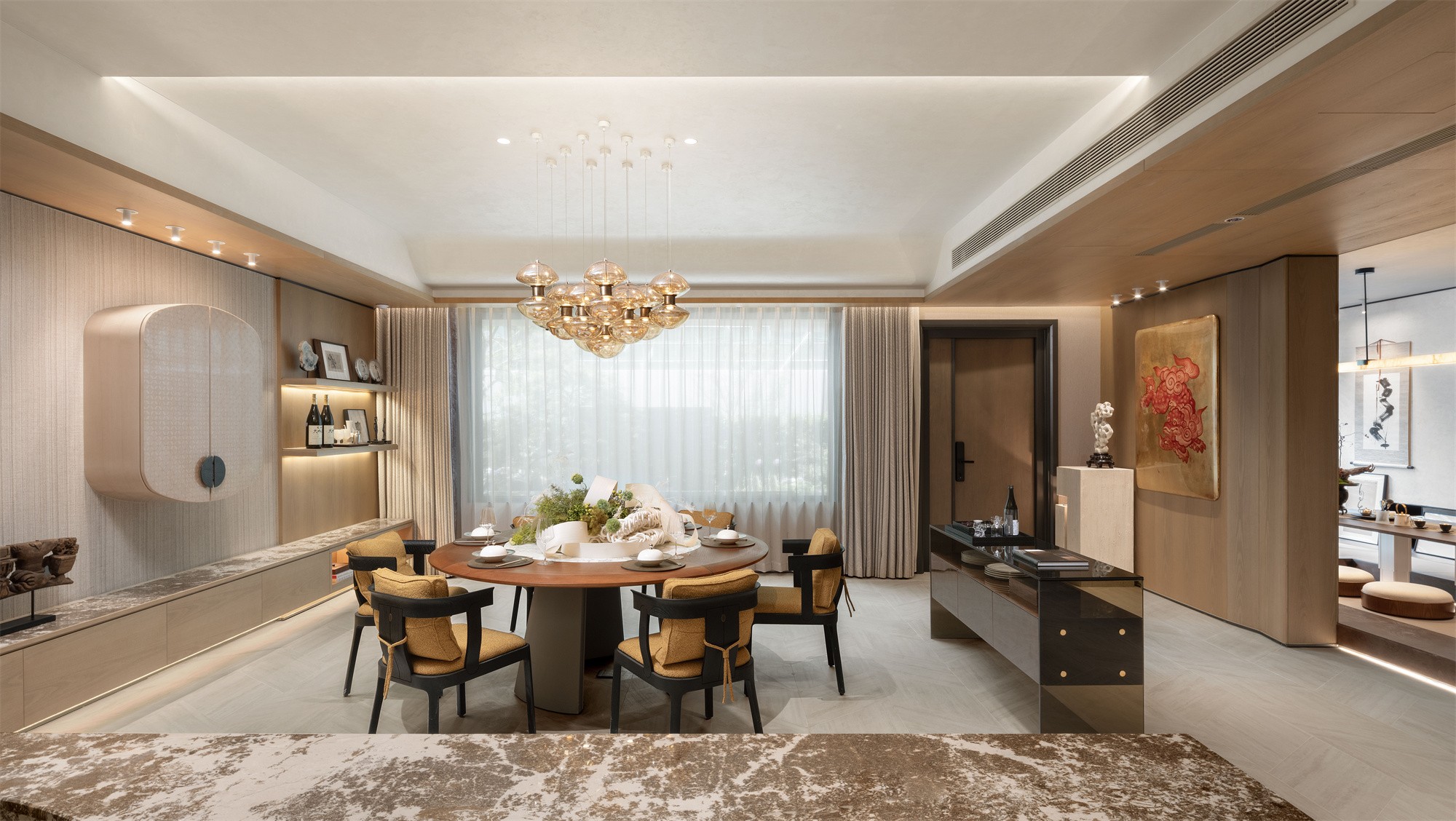
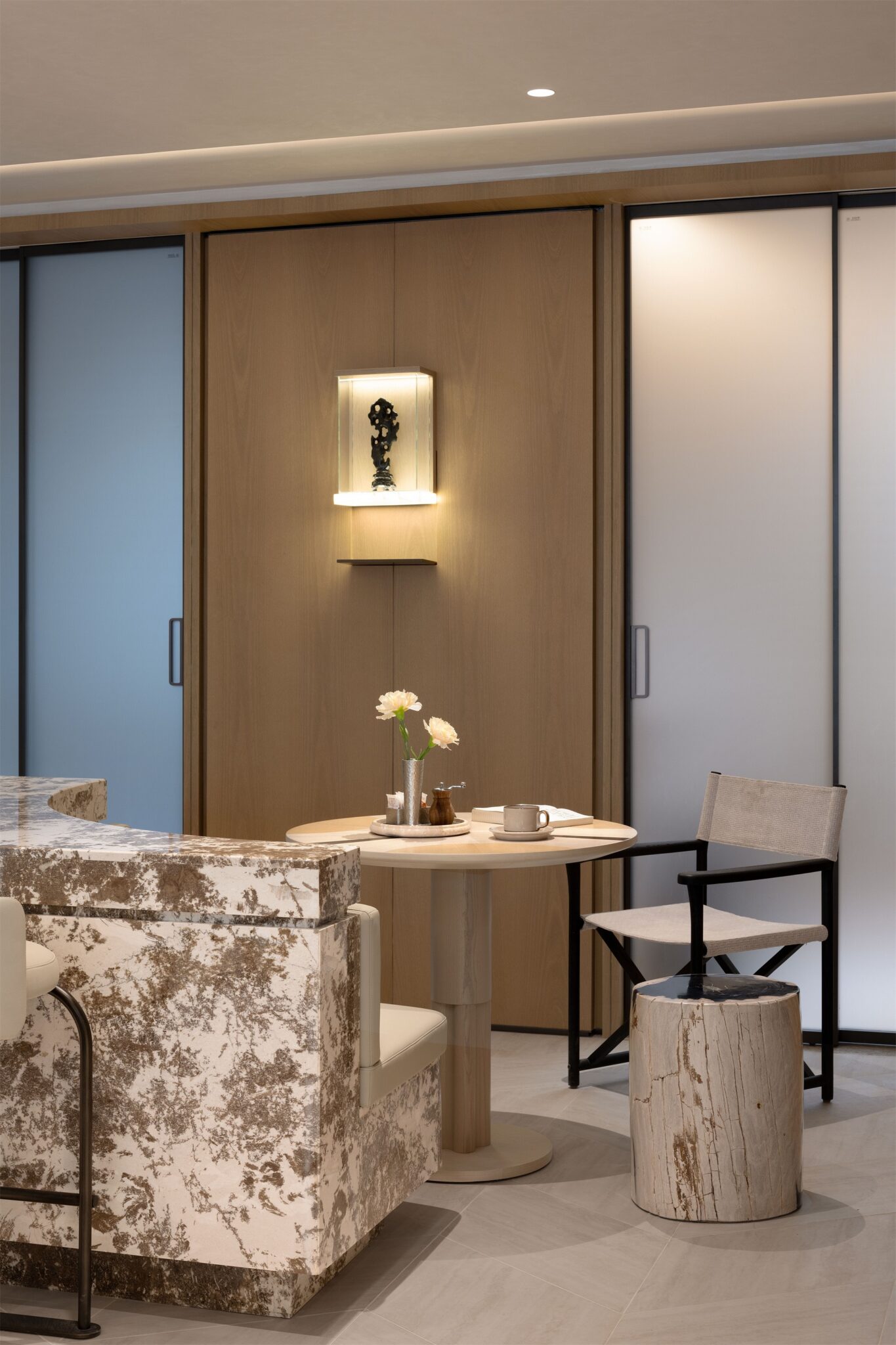
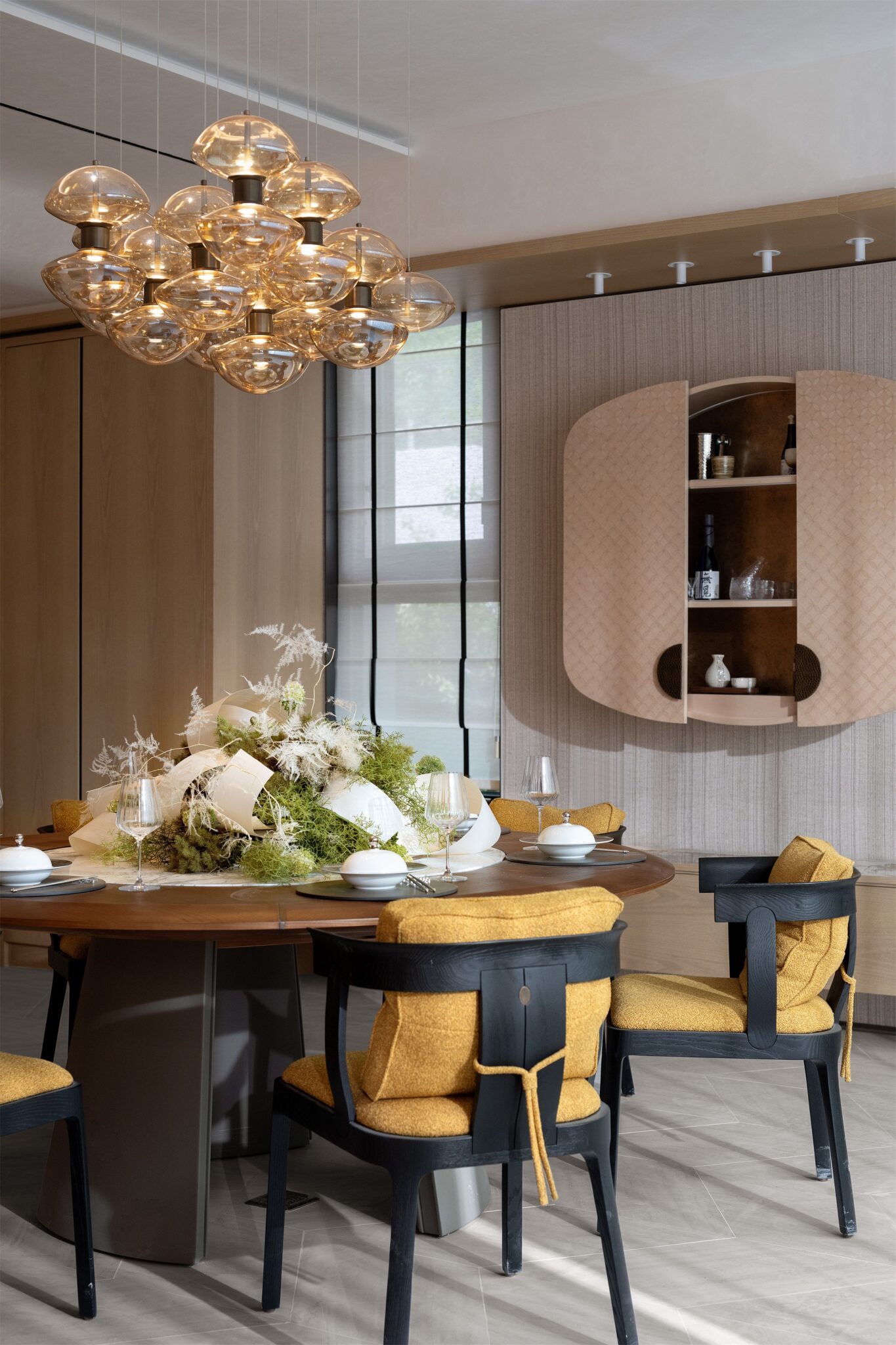
As the primary living domain, the first floor prioritizes comfort and warmth in its design. Warm-toned wood veneers, marble finishes, and wallpaper are seamlessly integrated throughout, cultivating a richly layered and inviting spatial ambiance. Material selections intentionally soften coldness, employing subtle textures to craft a nurturing environment—transforming the space into an ideal vessel for both physical and emotional well-being.
An essential element in shaping this spatial atmosphere is a serene and elegant light source.
A flowing aesthetic with blurred boundaries
In the living room, natural elements such as daylight, tree shadows, and ambient nature are organically incorporated into everyday life. Consequently, the space transcends enclosure, expanding freely outward. While visually extending the spatial scale, it also introduces an artistic expression of seasonal transitions indoors. Tree shadows dissolve into fluid patterns, spreading across the folded wood veneer ceiling. Nature evolves with time, unfolding along mirrored surfaces like ink diffusing across rice paper. The scenery appears boundless—an indoor-outdoor hybrid garden—blurring the distinction between interior and exterior. Even within the city, one’s spirit gravitates toward nature.
A true mansion is not defined by the accumulation of architectural forms, but by its capacity to serve as a vessel for emotions and a conduit for the spirit. This time, the designer aims not merely to provide a residence for Nanjing, but to introduce a new paradigm of spiritual habitation.