- Project Overview
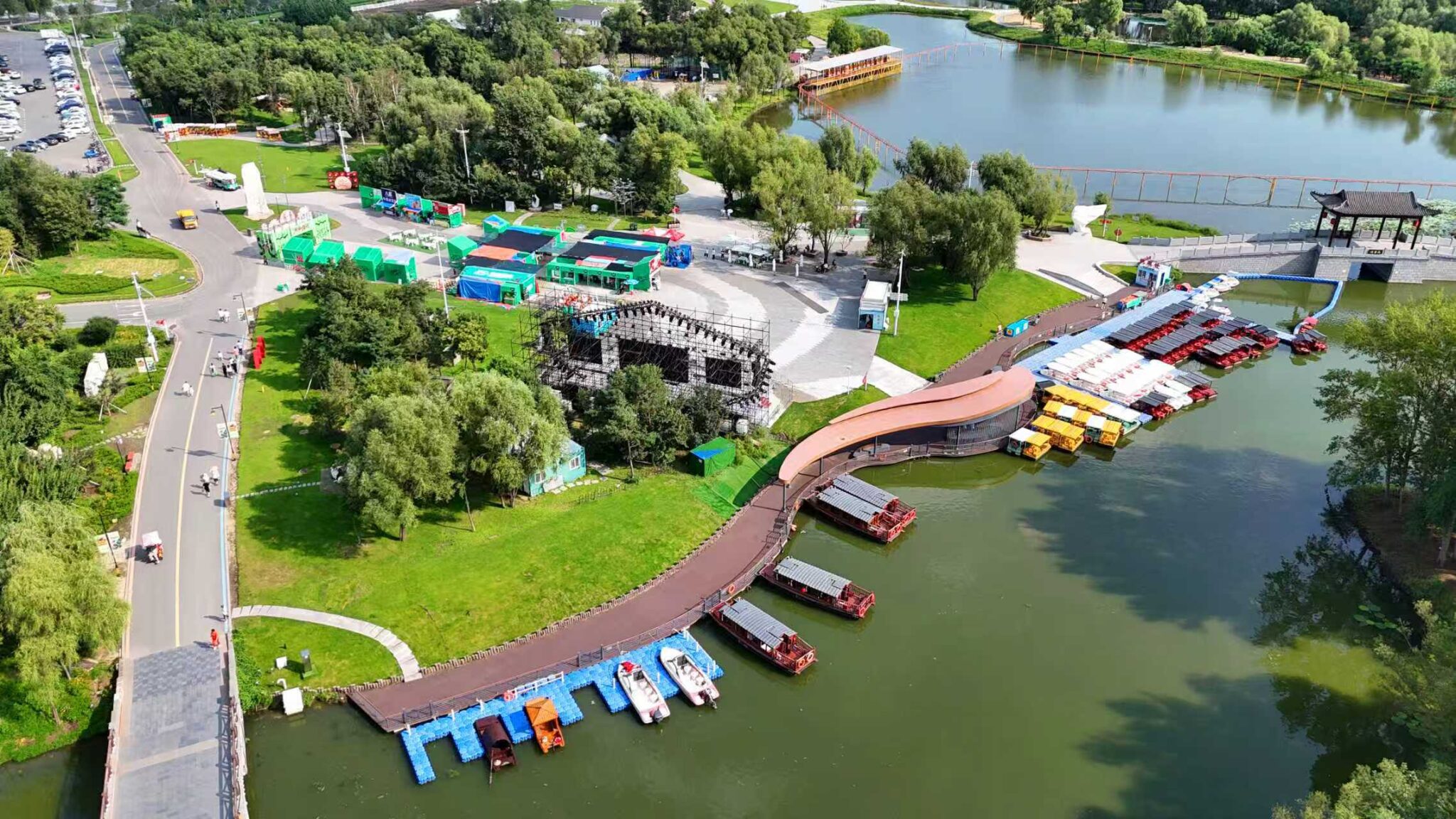
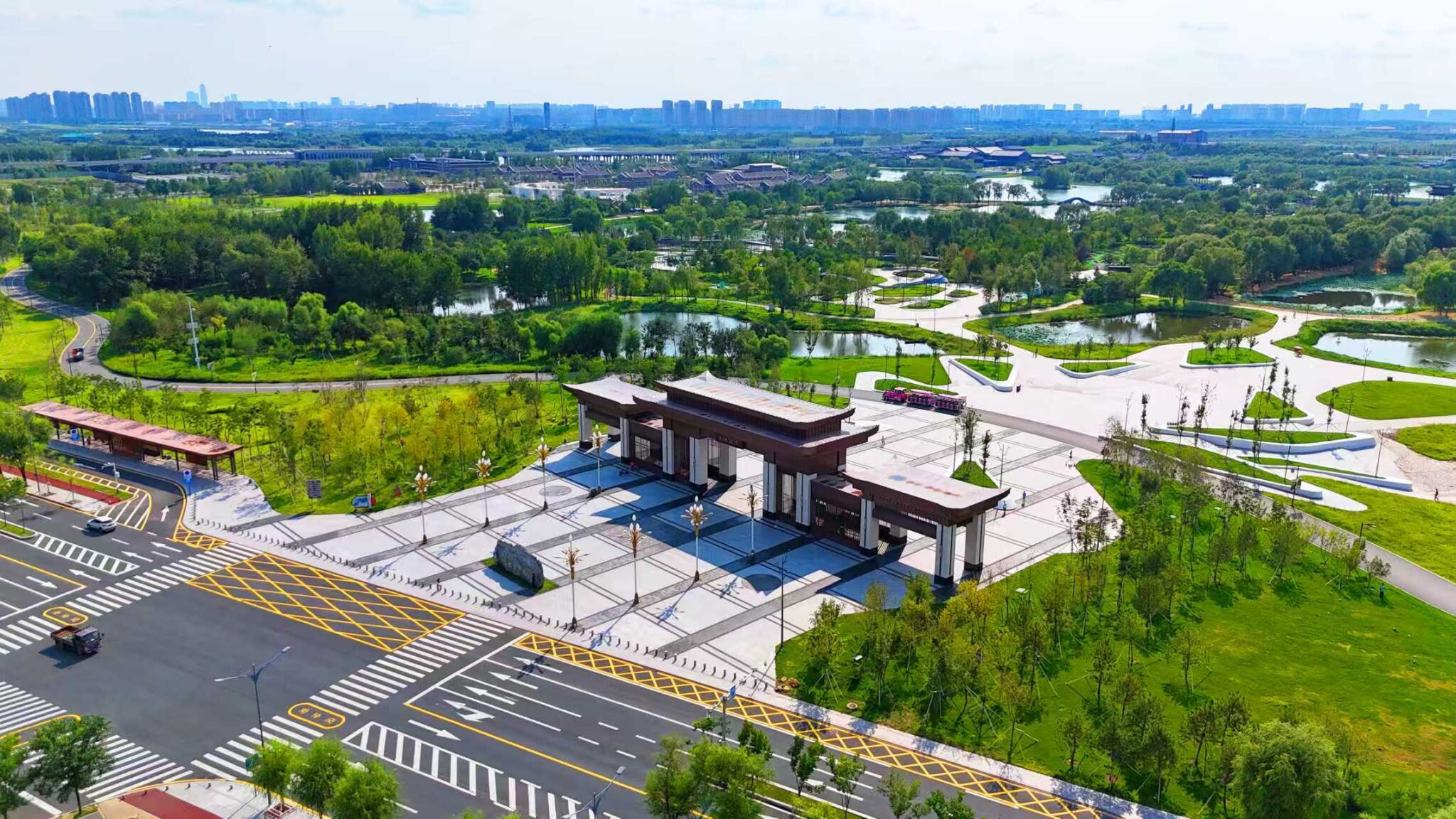
Located at Beihu Park in Changchun, Jilin Province, the project sits on the eastern side of the lower reaches of the Yitong River. It serves as the core ecological gateway in northern Changchun and a key node of the comprehensive flood control system for the Yitong River.
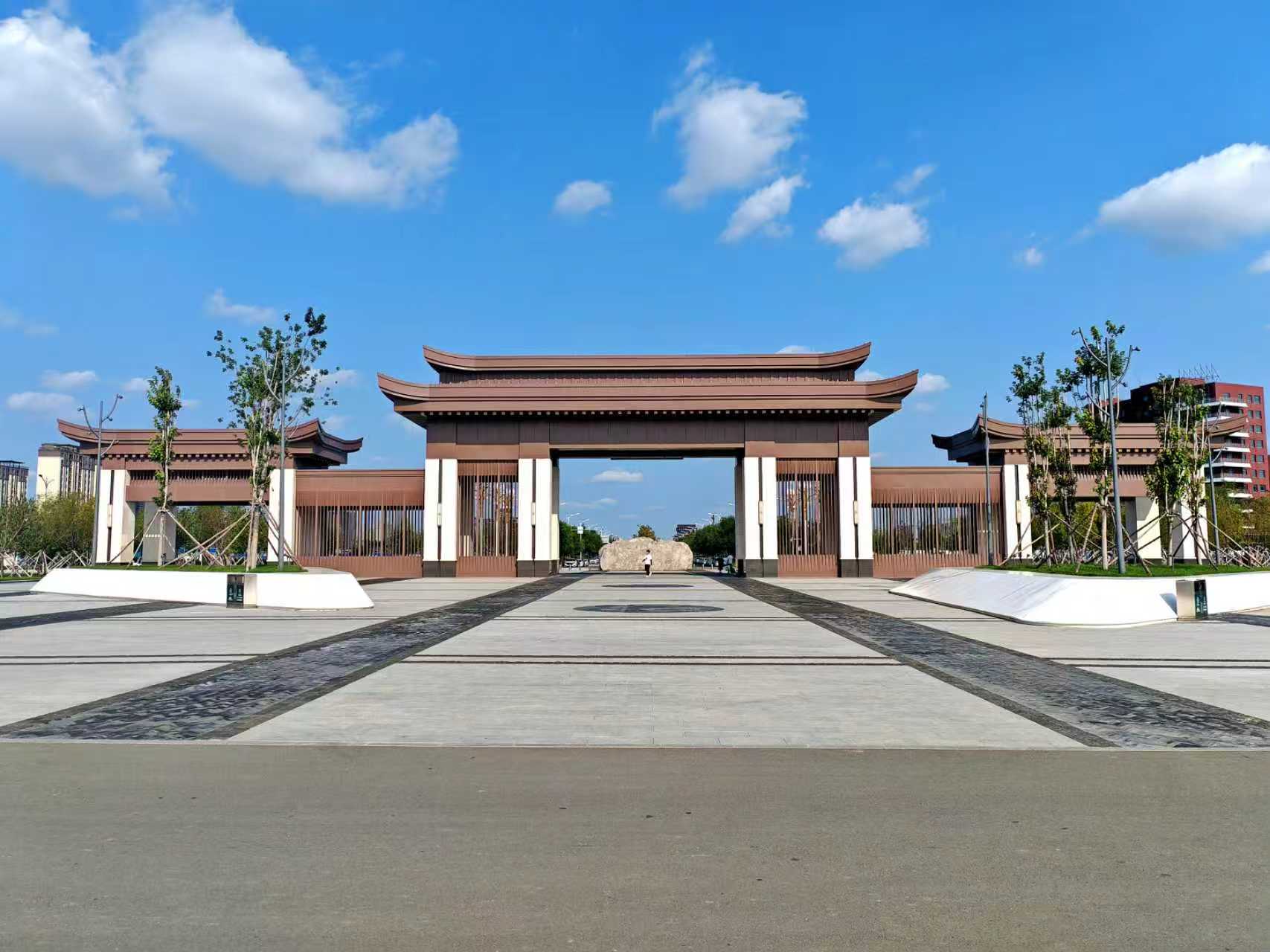
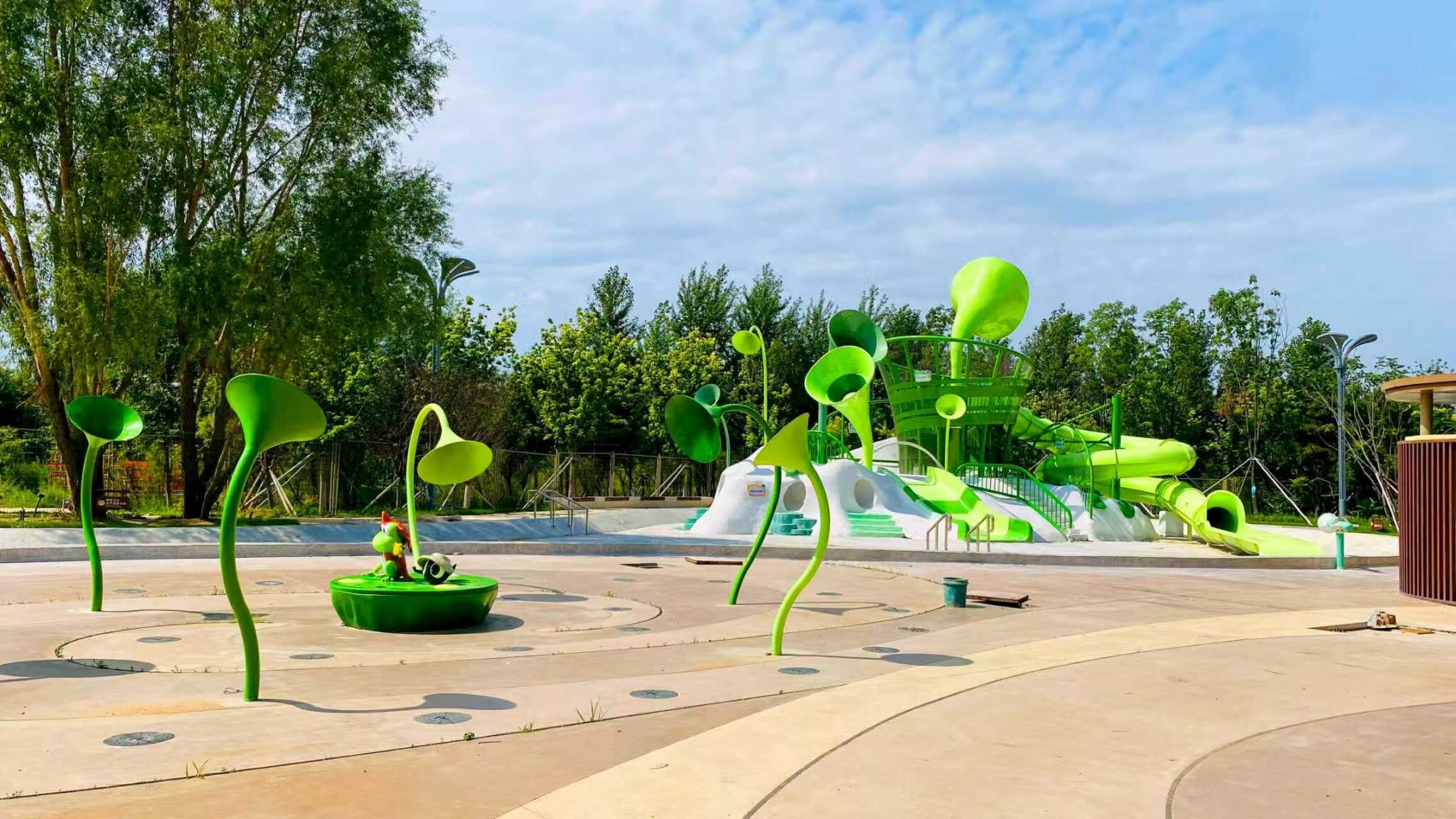
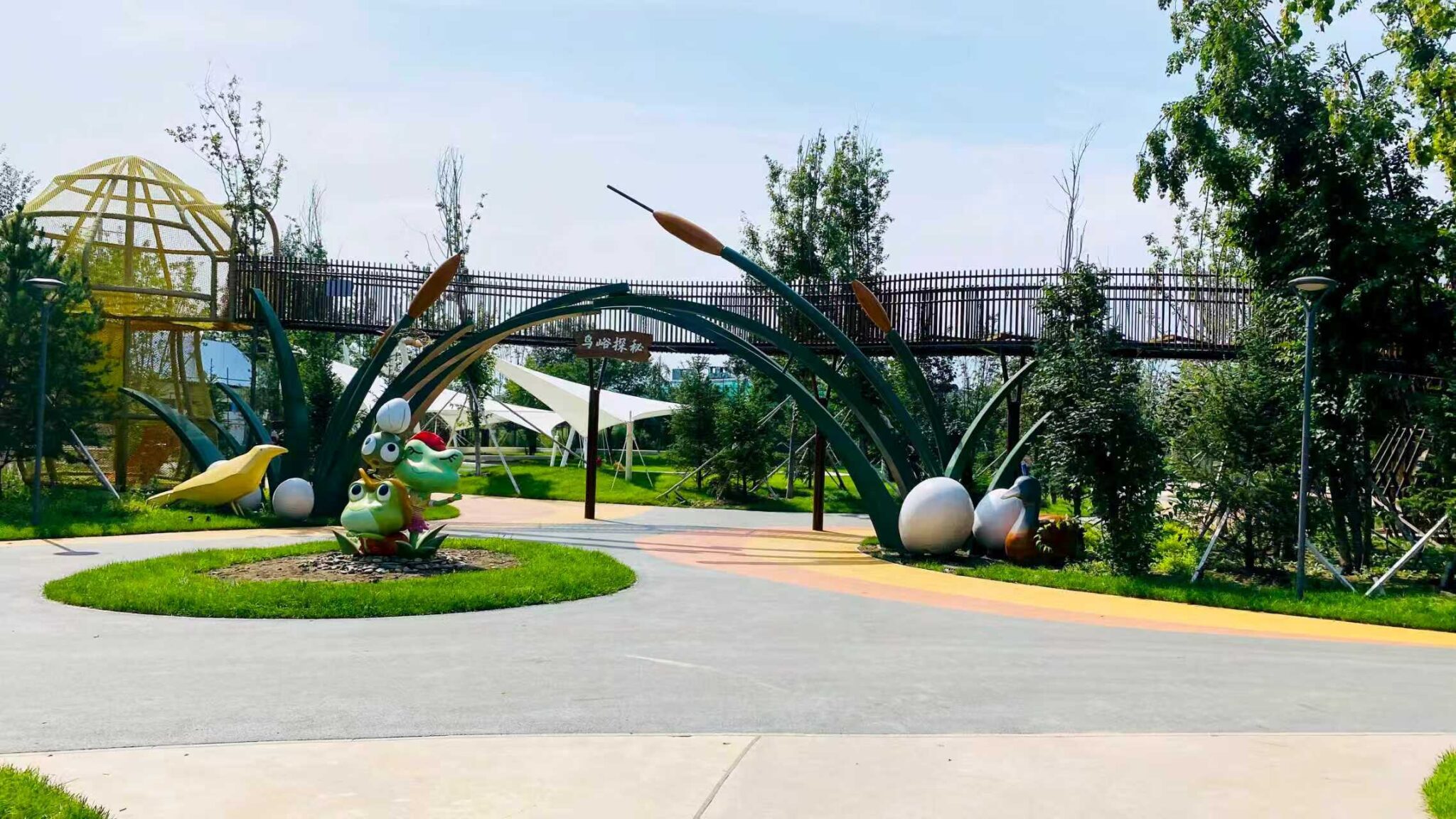
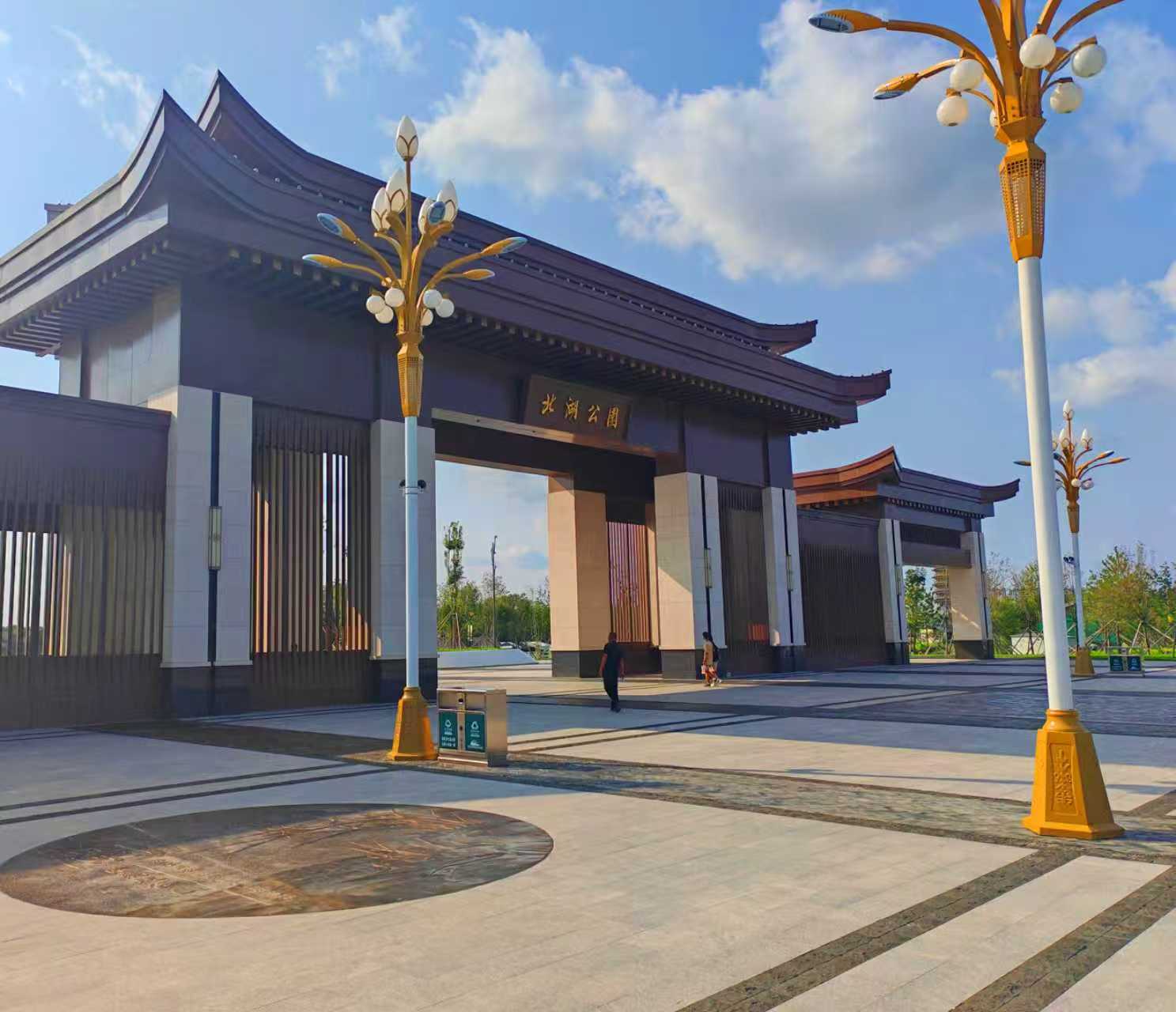
The renovation area stretches from the Lake Central Island in the north to the Shuangbei Area in the south, bordering Yinqiao Street to the west and Huban Street to the east. Covering a total land area of 224 hectares, the site is divided into seven functional zones: Willow Embankment, North Lake Gate, Joy Harbour, Carefree Islet, Kids’ Island, Sports Cove and Moon Mirror Center.
With the design theme of A Water Town of Poetic Charm, Resembling South China in Northern Land, the project aims to build an urban wetland park featuring profound ecology, cultural charm and vibrant leisure amenities. The total investment of the project is 543 million yuan.
- Core Design Highlights
- Innovative Operation Model: Pre-operation Guidance for In-depth Integration of Landscape, Culture and Tourism
Breaking the traditional landscape development model that prioritizes design over operation, the project adopts an integrated approach featuring operation upfront, planning first and featured design, combined with the full-cycle O+EPC+O model. Six idle buildings within the park are revitalized and repurposed for catering, commerce and other commercial formats.
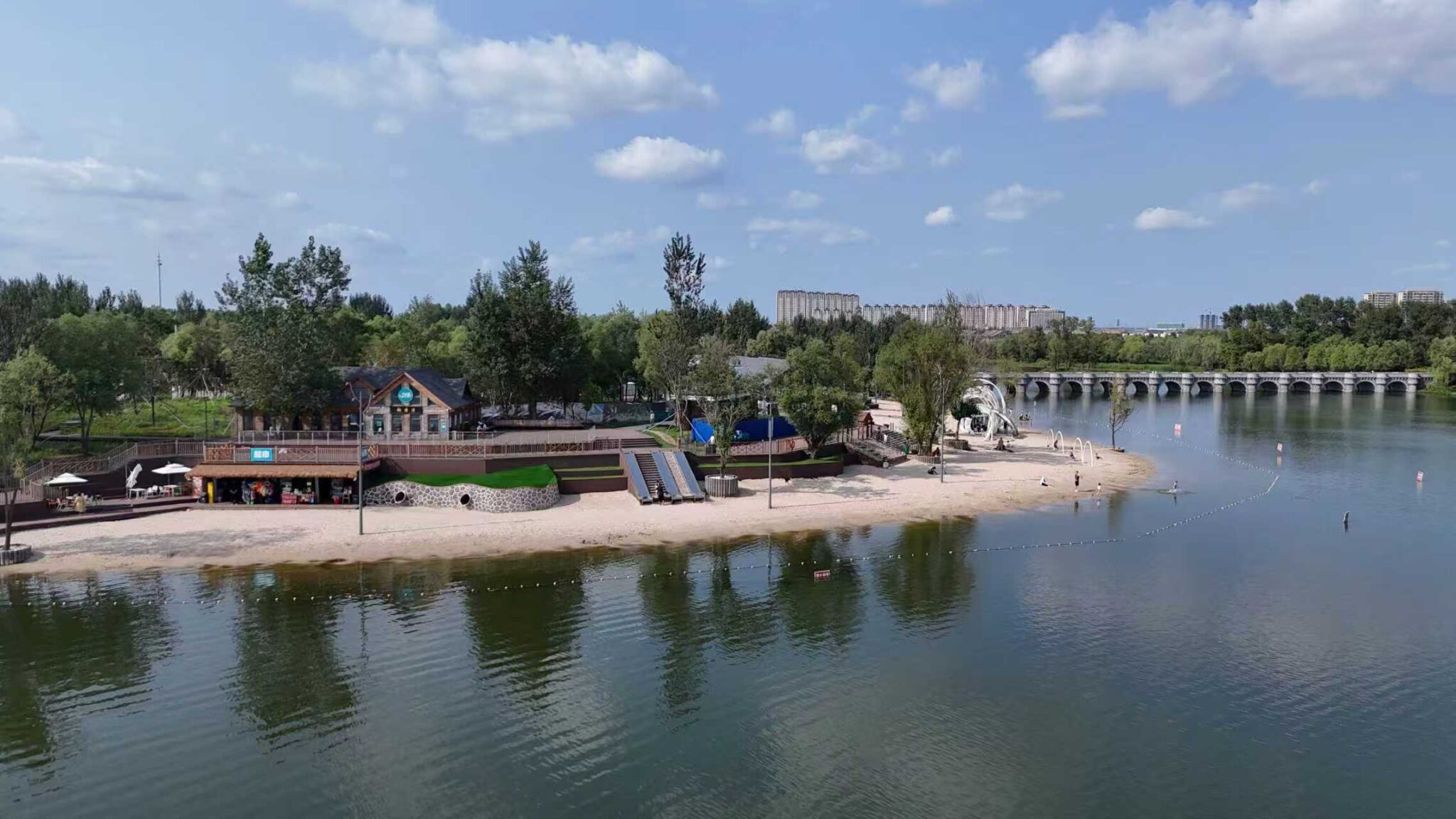
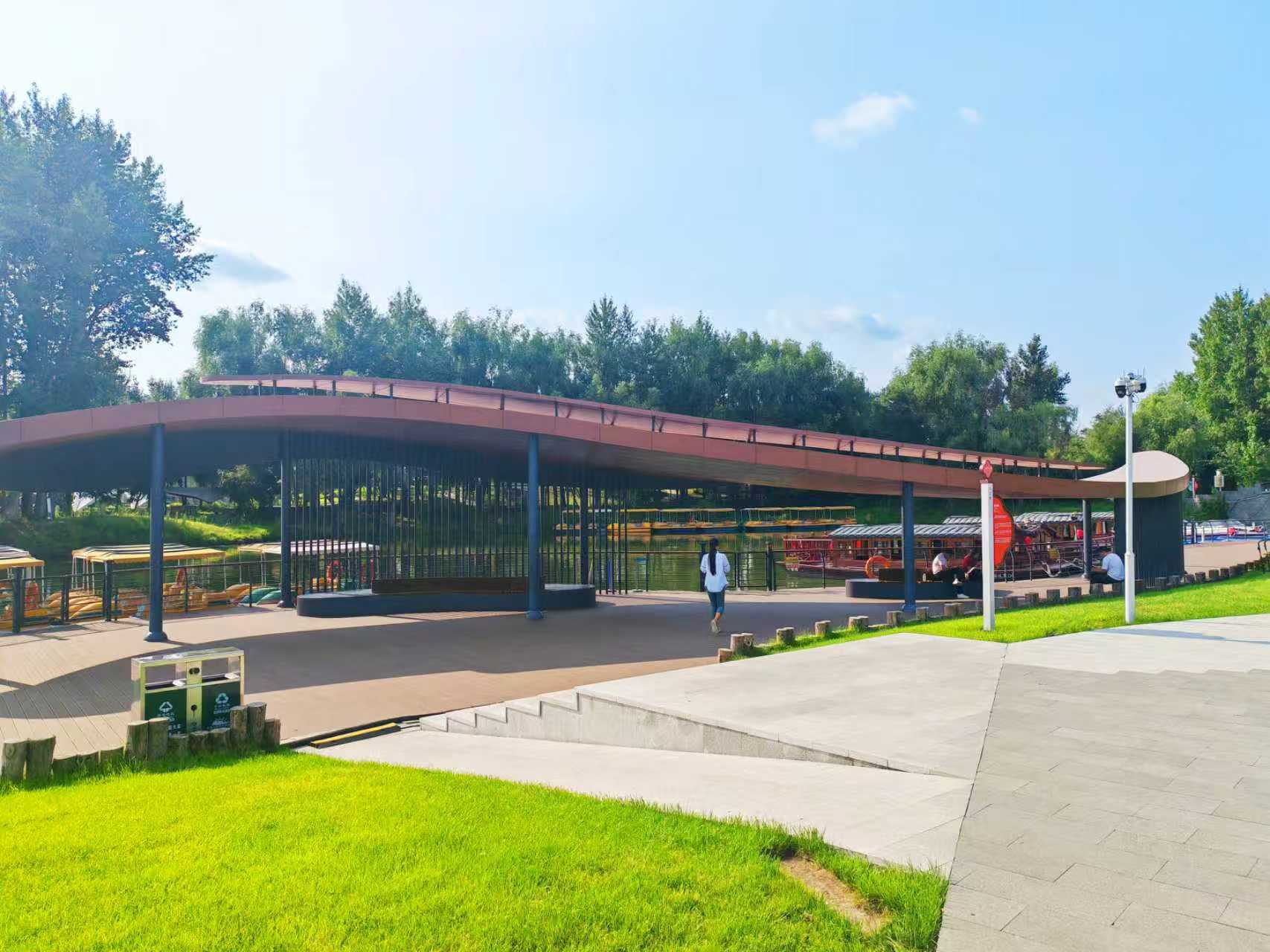
A full-range leisure facilities for all age groups are developed, including beaches, dinosaur-themed parks, camping sites, sports grounds and lake cruises. With immersive scenes and trendy experiences, the park is built into an all-in-one micro-vacation destination.
The project effectively boosts the night economy and secondary consumption. Businesses such as catering, retail, family entertainment, cruising and camping generate steady annual revenue and create jobs for 284 people. Major festivals including Spring Outing Festival, Summer Carnival, Lotus Appreciation Festival and Ice & Snow Festival attract record visitor flows, receiving hundreds of thousands of tourists in total. It realizes the appreciation of existing assets and the upgrading of regional cultural and tourism consumption.
- Ecological Upgrade: Connected Water Systems to Build a Self-circulating Aquatic Ecosystem for Cold-region Wetlands
To address common problems of cold-region wetlands in northern China, such as stagnant water, insufficient dissolved oxygen and water quality deterioration, the multi-pond ecological connection technology is applied. A total of 12 isolated ponds covering 52,151 square meters across the park are fully interconnected.
Pipeline systems are optimized to adjust hydraulic routes and water levels, maximizing water fluidity and natural purification capacity with minimal site disturbance. Native aquatic plants including iris, reed, lotus and cattail are planted to form purification plant communities, which perform dual functions of water quality improvement and flood regulation and storage. This project sets a benchmark for water system connectivity and long-term ecological maintenance of wetland parks in cold northern regions.
- Biodiversity Optimization: Layered Plant Communities to Enhance Wetland Biodiversity
Following the principles of native species adaptability and multi-functional layout, a four-tier gradient vegetation system is constructed, covering deep water zones, shallow water zones, tidal flats and land areas. More than 100 types of native plants including arbors, flowering shrubs, ground cover and aquatic plants are selected to form a complete habitat for organisms to forage, nest and breed.
With the application of patented utility model technologies for ecological restoration, the regional food chain is improved and the integrity of the wetland ecosystem is greatly enhanced. It provides a replicable practical model for biodiversity conservation in cold-region cities.
- Localized Design: Nature-based Solutions for Cold-region Sponge City System
Fully respecting the original landform and terrain, the project takes advantage of the 6-meter natural elevation difference, existing green spaces and 15 ponds on site. Combined with grassed swales, it realizes gravity drainage and practices the sponge city concept of natural accumulation, infiltration and purification.
Over 120 plant species suitable for cold climates are selected for the sponge system. Relevant research achievements have been incorporated into local engineering standards of Jilin Province. Integrating theoretical research with on-site practice, the project explores a low-impact development pathway tailored to the climatic features of Northeast China.
- Integrated Functions: Age-friendly Design to Reshape Diverse Public Values of the Park
The project integrates ecological restoration, cultural exploration, facility upgrading and traffic optimization, with collaborative design across landscaping, civil engineering, aquatic ecology, electrical engineering and other disciplines. It remedies existing deficiencies such as single functional layout, inadequate infrastructure and potential safety hazards along waterfront areas.
The site is divided into functional sections for sports, parent-child activities, leisure and sightseeing, with cultural landscape corridors running through the whole area. It combines eco-tourism, national fitness, research & study experience and public recreation to create an age-friendly urban public space and forge a new cultural and tourism landmark of Changchun.